
Last updated November 15, 2026
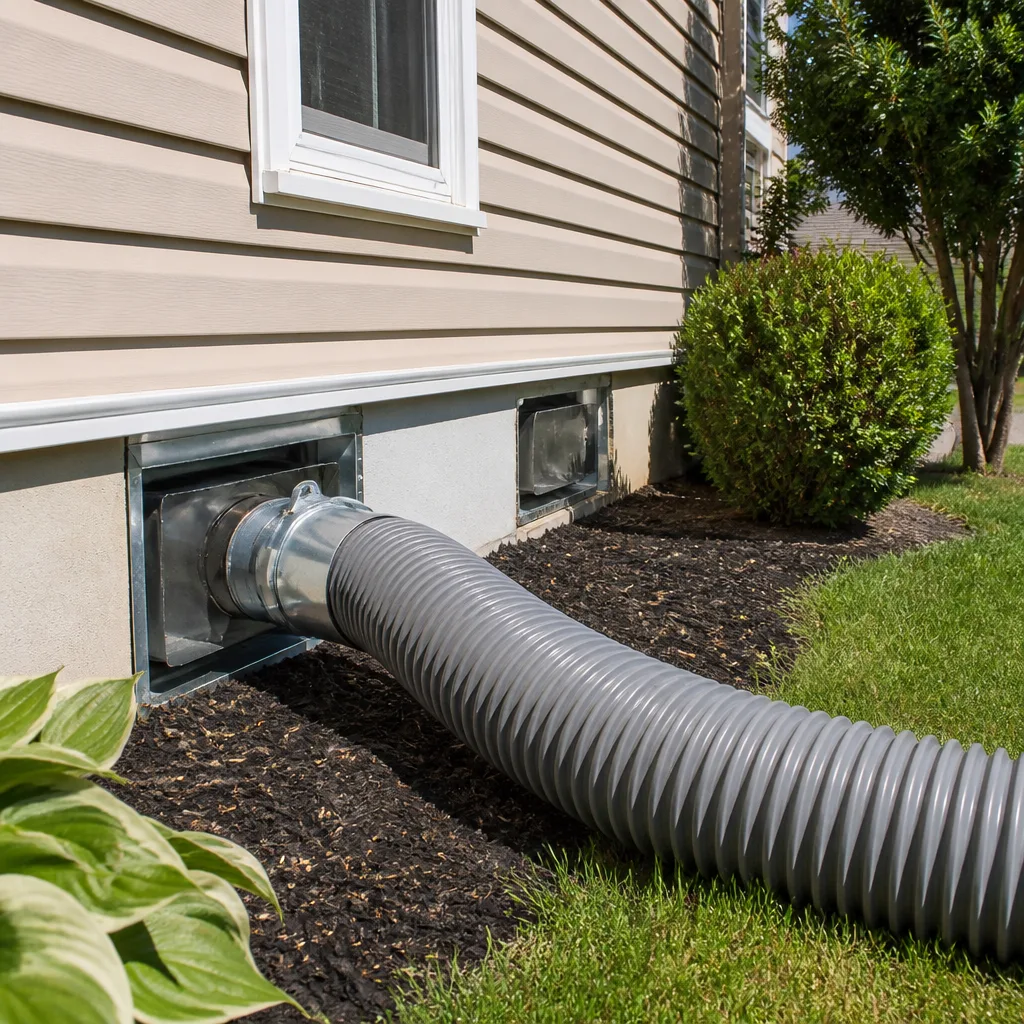 Whole-home duct cleaning
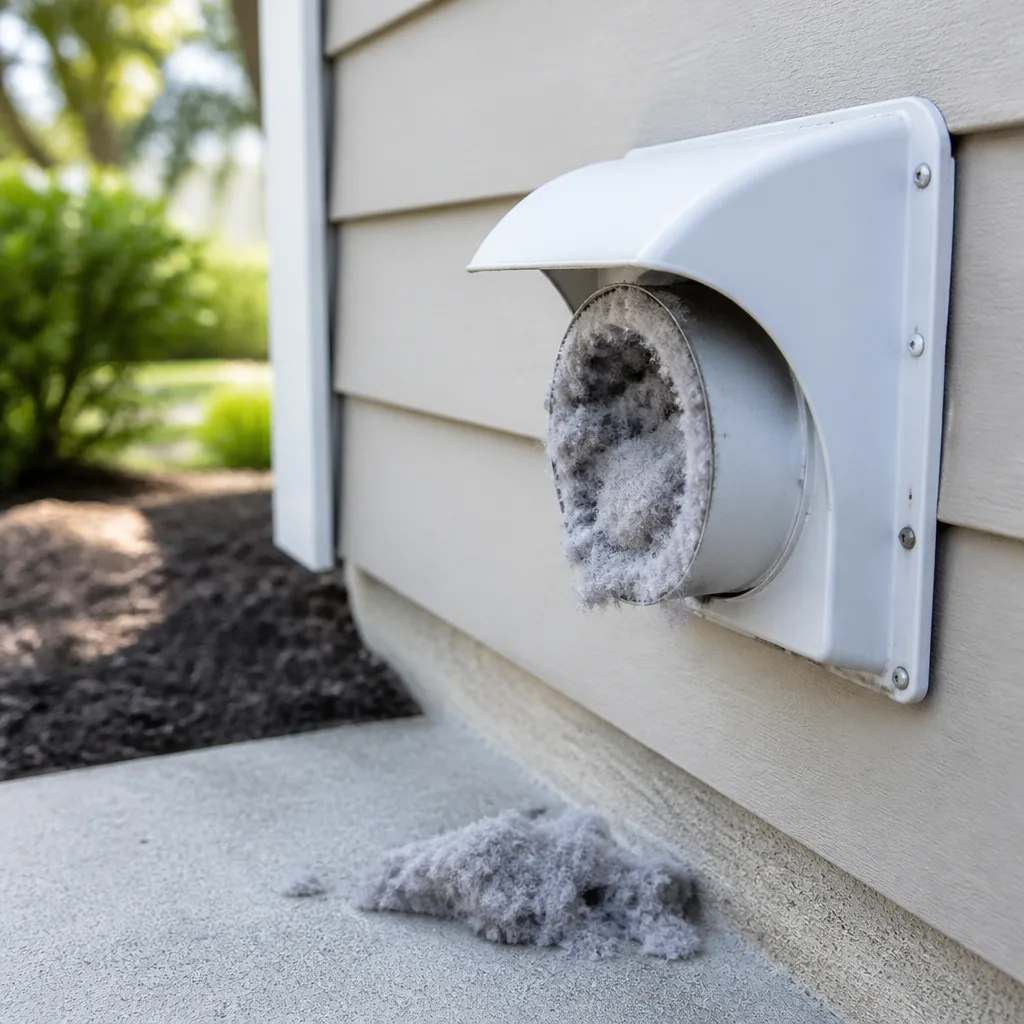 Dryer vent cleaning
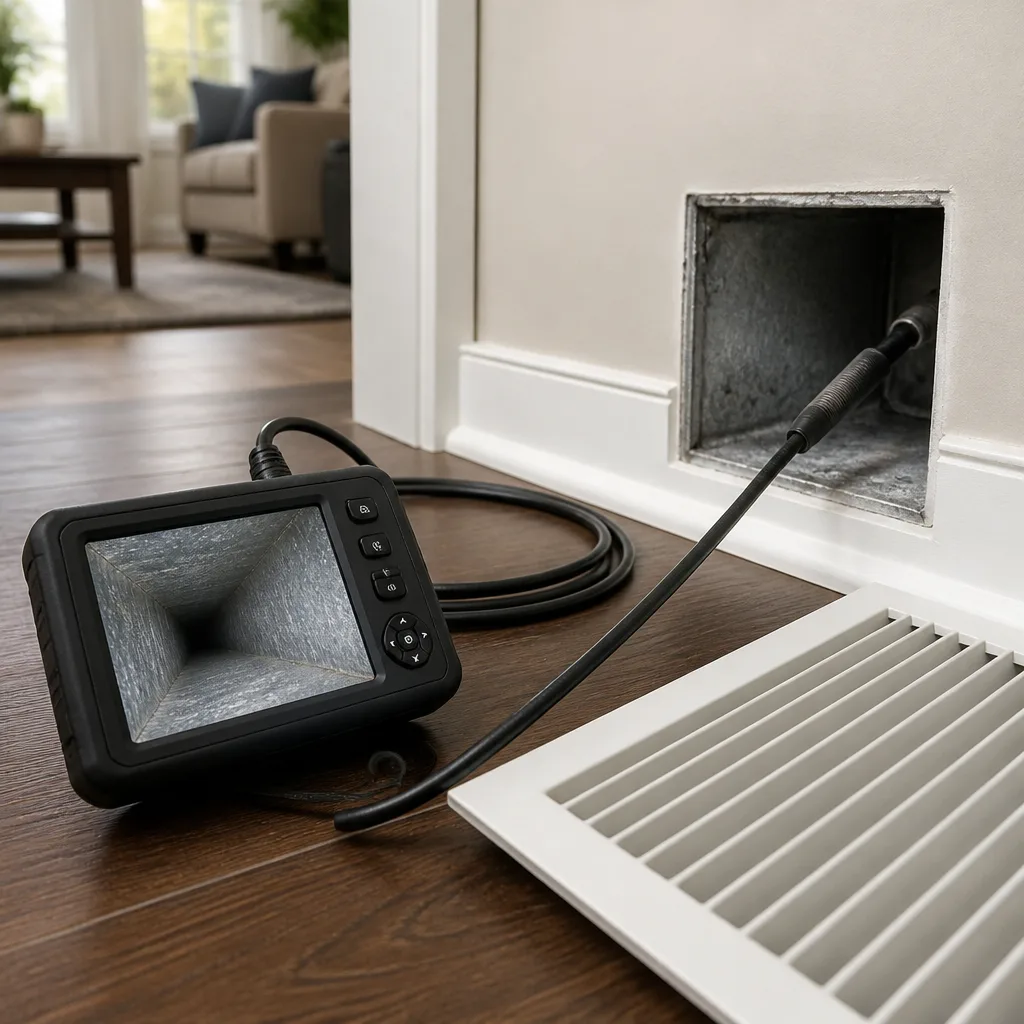 Camera inspection
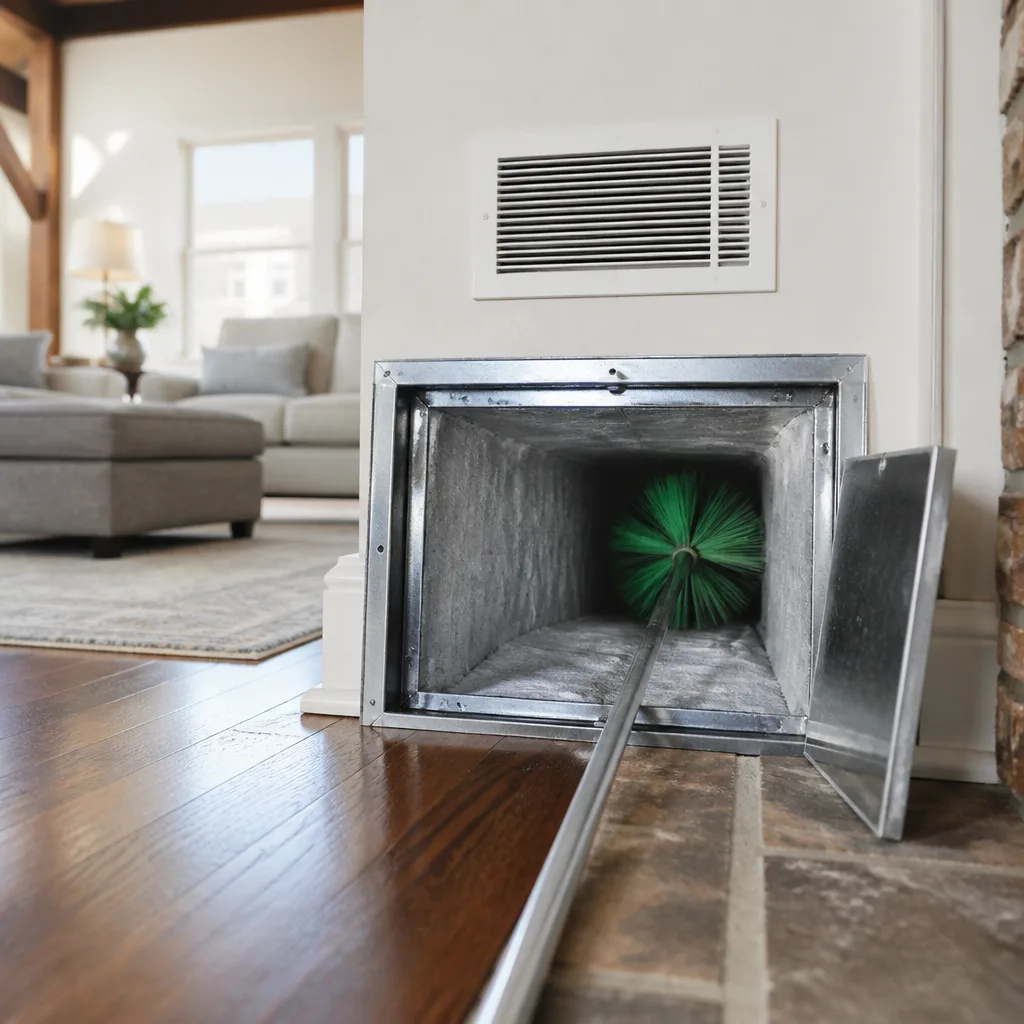 Sanitizing & deodorizing
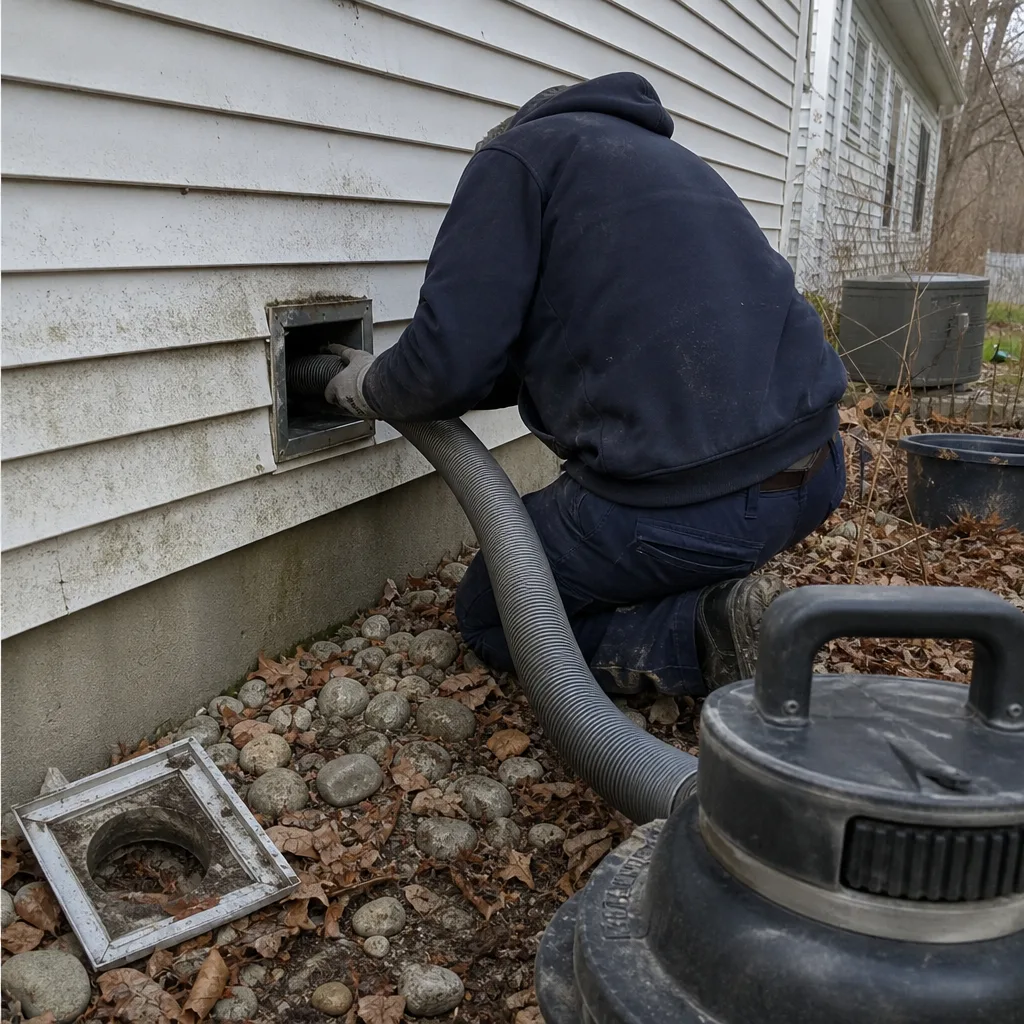
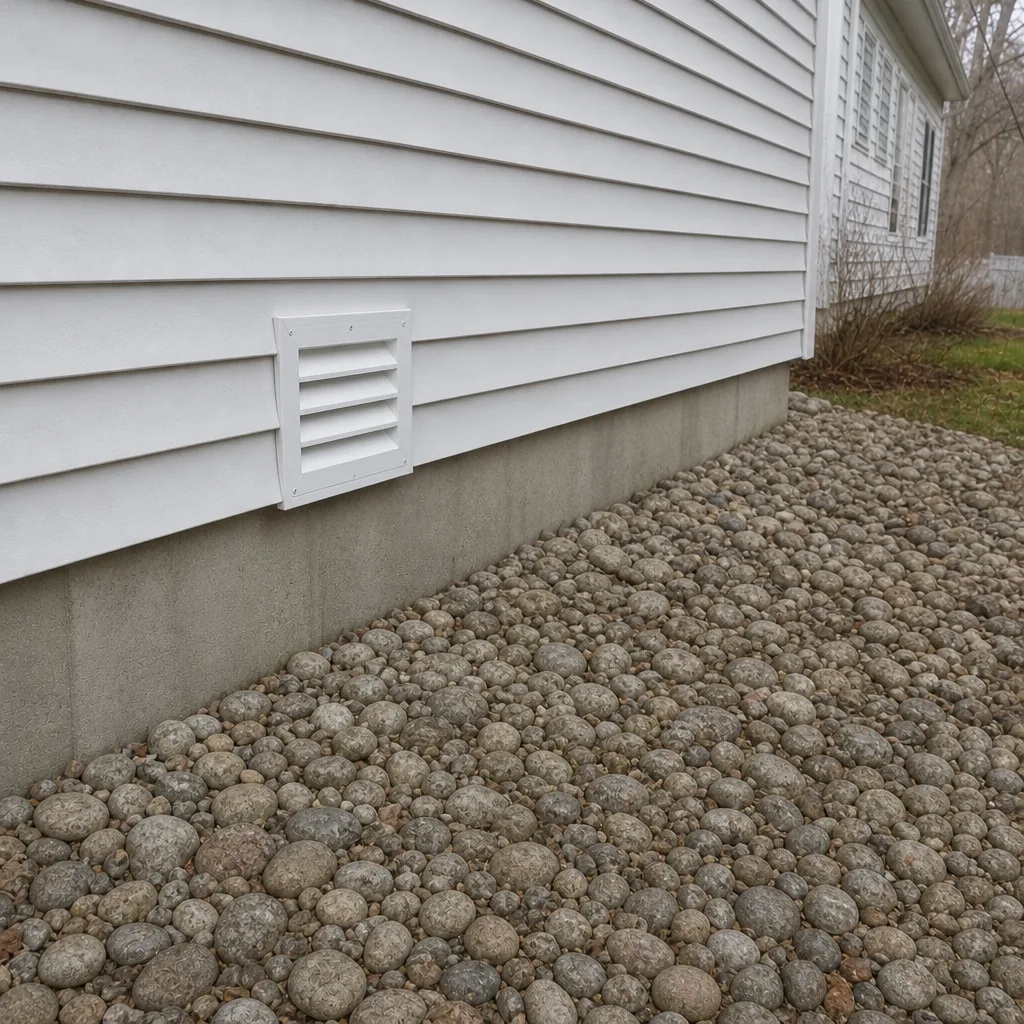
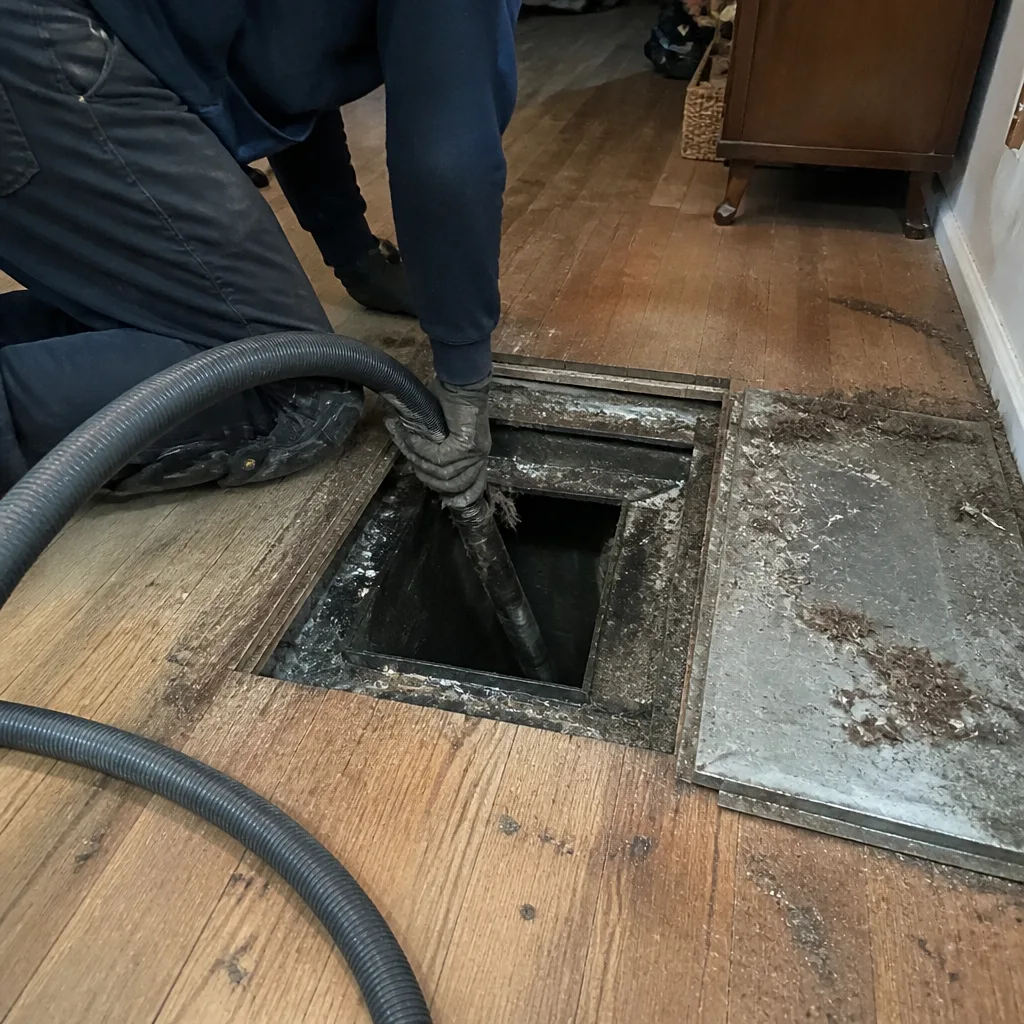
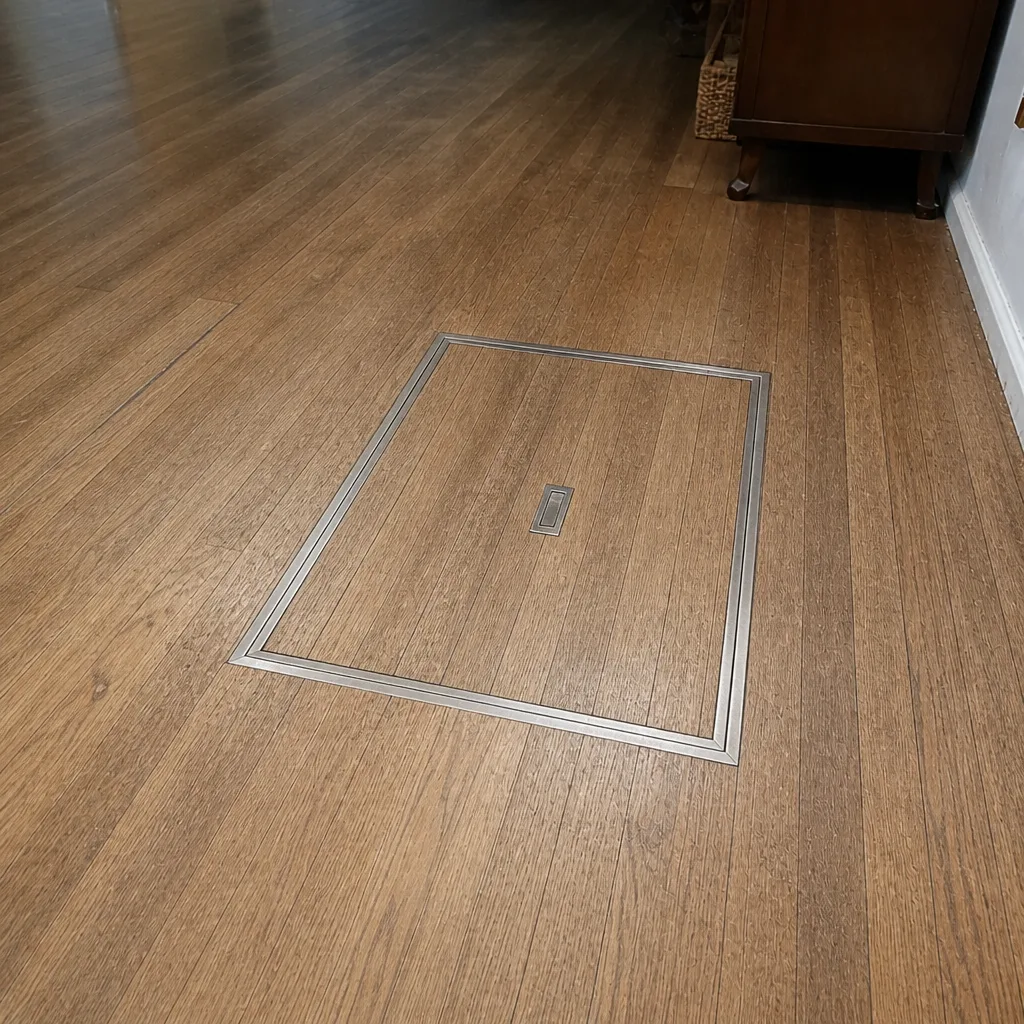
Whole-system duct and dryer vent check with before-and-after photos - you see exactly what came out of your vents
That "$99 whole-house special" is a bait ad - the real number appears once they are in your hallway, or the "clean" is a shop-vac at the register. We photograph the inside of your ducts before and after instead.
Air Duct Cleaning Permits, Codes & Inspections in Manchester, NH: What You Need to Know
The cleaning job rarely needs a permit. The repair your contractor finds during that job often does, and if they do it without one, that’s your problem at resale. That’s the counterintuitive reality of ductwork in Manchester, NH: the city’s building department doesn’t regulate the cleaning process at all, but it absolutely regulates the duct modification, flex duct replacement, and combustion appliance clearance issues that turn up the moment someone opens up your plenum and starts pulling apart the system. This guide walks through what actually triggers a permit here, how dryer vent work overlaps with fire code material requirements, what a Manchester building inspector evaluates versus what a duct cleaning company assesses, and the asbestos problem that quietly sits inside a lot of older ductwork in this city. Read it before you book any ductwork job that goes beyond routine cleaning.
Quick Answer
Routine air duct cleaning does not require a permit in Manchester, NH, because surface cleaning of existing ductwork is not a regulated construction activity. A permit is typically required when a job involves modifying the duct system itself: adding new branch runs, replacing sections of flex duct, cutting in additional supply or return openings, or changing the size or routing of existing runs. Any work that touches a combustion appliance’s venting or clearance gets scrutiny as well. When in doubt, ask the city’s building department directly before the technician starts, and get the answer in writing.
Styles & brands we work with
- Whole-home duct cleaning
- Dryer vent cleaning
- Camera inspection
- Sanitizing & deodorizing
Table of Contents
- What Triggers an HVAC Permit in Manchester, NH?
- NH RSA and Manchester Building Department Jurisdiction
- Dryer Vent Code: UL 2158A and Clearance Rules
- What a Building Inspector Evaluates vs. What a Duct Cleaner Assesses
- Asbestos-Wrapped Ductwork in Pre-1980 Manchester Homes
- How Undisclosed Duct Repairs Affect Insurance and Resale
- How a Duct Job Should Go, Step by Step
- What Duct Cleaning and Repair Cost in Manchester
What Triggers an HVAC Permit in Manchester, NH?
A permit is triggered when the duct system is physically altered, not when it’s cleaned. That single distinction is the one most homeowners miss. Cleaning is maintenance. Cutting, splicing, rerouting, and adding duct is construction, and construction in the HVAC scope runs through the Manchester building department. Here’s the practical split.
Work that typically does not require a permit:
- Source removal cleaning of existing ducts (brush agitation plus negative air pressure)
- Sealing small leaks with mastic or foil tape on existing joints
- Replacing a filter, or cleaning a return grille and supply register
- Dryer vent cleaning (cleaning, not re-routing)
- Visual inspection with a camera into existing runs
Work that typically does require a permit:
- Adding a new supply or return branch, or a new register cut into a wall or floor
- Replacing flex duct runs, especially where the duct passes through a wall cavity or floor assembly
- Changing duct size on an existing trunk line
- Modifying the return air path in a way that changes the system’s static pressure design
- Any work that affects the venting or clearances around a furnace, boiler, or water heater
If a duct cleaning visit uncovers disconnected flex duct in a crawlspace or a crushed run behind a knee wall, the repair that follows is a construction change. In our experience, that’s where homeowners get surprised. The cleaning was always going to be fine. The repair is what needs the paperwork, and it needs it before the work starts, not after.
Manchester has a lot of older housing stock with mixed duct systems: original sheet metal trunks with later flex duct retrofits spliced into them, sometimes by more than one installer across more than one decade. Those systems are where permit questions come up most often, because the repair scope is rarely clean.
NH RSA and Manchester Building Department Jurisdiction
New Hampshire regulates construction through the state building code adopted under RSA 155-A, and Manchester enforces it locally through its own building department. That’s the two-layer structure. The state sets the code; the city issues the permits and sends the inspector. For ductwork, the relevant codes are the mechanical code and the residential code adopted by the state, which govern duct material, installation, clearances, and combustion air. Manchester’s building department is the authority that decides whether your specific job falls inside that scope.
A few things worth understanding about how jurisdiction actually works here:
- The city decides scope, not the contractor. A technician’s opinion that “this doesn’t need a permit” carries no legal weight. The building department is the authority. Call them, describe the work, and get the answer.
- Unpermitted work doesn’t disappear. It sits in the property record as an open question, and it surfaces during a home sale, an insurance claim, or a later inspection. Manchester’s older homes change hands often, and buyers’ inspectors look for exactly this.
- Combustion appliance proximity raises the bar. If ductwork sits near a furnace flue, water heater vent, or boiler with insufficient clearance, the fix isn’t cosmetic. That clearance is a code item, and a building inspector will flag it.
If you’re early in the process and want to know what a cleaning visit covers before you start thinking about permits, our air duct cleaning page walks through the process from the inside out. The permit conversation belongs on the repair side, not the cleaning side. The cleanest way to handle jurisdiction: describe the work in plain terms to the building department before anyone touches the duct. If the answer is “permit required,” you’ve saved yourself a much bigger problem at resale. If the answer is “not required,” you have it on record.
Dryer Vent Code: UL 2158A and Clearance Rules
Dryer transition duct must be listed to UL 2158A, must be smooth-walled metal or flexible metal, and the total developed length of the exhaust run is limited by the dryer manufacturer’s installation instructions. Those three requirements are where a lot of installations in Manchester fall short, and it matters because dryer vent lint is a genuine fire hazard. This isn’t a scare tactic; it’s a materials and installation code issue that any competent installer should know.
The common failures we see:
- Foil or vinyl flex duct used as transition duct. UL 2158A does not cover those materials, and they trap lint at every ridge. They’re also prone to sagging, which creates a low point where lint collects.
- Improper length. Manufacturers cap the total developed length, and every 90-degree elbow adds effective length. A run that looks short can exceed the limit once elbows and the transition piece are counted.
- Clearance to combustibles ignored. The dryer’s installation instructions spell out required clearances, and closets and tight alcoves in older Manchester homes often leave less than the manufacturer specifies.
- Terminations that trap lint. A screen or cage over the exterior termination is a lint collector, and most manufacturers prohibit it.
Dryer vent work intersects with fire code because lint buildup combined with a restricted exhaust is a documented ignition path. Routine dryer vent cleaning addresses buildup, but if the duct itself is the wrong material or routed past code limits, cleaning alone doesn’t solve it. That’s a replacement conversation, and depending on what’s being replaced or re-routed, it can land in permit territory. Re-routing an exhaust run through a wall or floor assembly is construction. Cleaning the existing one is maintenance.
What a Building Inspector Evaluates vs. What a Duct Cleaner Assesses
A building inspector evaluates code compliance of installed work; a duct cleaning company assesses condition and contamination inside the system. The two jobs overlap in nowhere near as much as homeowners assume. Knowing the difference helps you know which call to make and when.
What a Manchester building inspector looks at on a duct-related permit:
- Duct material meets the mechanical code requirements for the location (exposed, concealed, garage, etc.)
- Seams, joints, and connections are properly supported and sealed per code
- Clearances to combustibles around the furnace, flue, and water heater are maintained
- Return air design does not pull from prohibited locations (garage, mechanical room with combustion air)
- Combustion air provisions for the appliance remain intact
- Venting of gas appliances is undisturbed and correctly sloped
- The installation matches the permit scope
What a professional duct cleaning assessment looks at:
- Contamination level inside the ducts (visible dust, debris, microbial growth, construction residue)
- Loose or disconnected duct sections anywhere in the system, including concealed assemblies
- Crushed, pinched, or oversized flex duct runs affecting airflow
- Airflow balance across the supply and return sides
- Evidence of moisture intrusion in the duct or at the registers
- Condition of registers, grilles, and the air handler interior
- Dryer vent condition and lint accumulation
Our technicians work on the second list using professional-grade equipment. Camera inspection, brush agitation, and negative air pressure with HEPA filtration show us what’s actually happening inside your duct system. But a building inspector’s code review is a different job, and a duct cleaning company isn’t a substitute for it, no more than a building inspector can tell you whether your ducts are full of construction dust. If the work crosses into construction scope, you need both. If you want the full picture of what a legitimate cleaning involves, our Grafton Air Duct Cleaning page outlines how we approach a system-wide assessment.
Asbestos-Wrapped Ductwork in Pre-1980 Manchester Homes
If your home was built before 1980 and has older sheet metal ductwork in the basement or a chase, there’s a real chance some of it is wrapped or taped with materials containing asbestos, and cleaning that ductwork can disturb the material. This is a serious point, not a hypothetical. Many Manchester homes from that era have ductwrap, tape, or joint compound in the duct system that contains asbestos. Cleaning with a brush or a high-powered air tool agitates fibers, and airborne asbestos fibers are a well-documented health hazard.
Here’s how this should be handled:
Before cleaning. Determine whether the ductwork has suspect material. Layered paper wrap on the outside of sheet metal, foil-faced wrap that has deteriorated, and older duct tape or joint compound are the common suspects. If the home is pre-1980 and original ductwork is visible, get the material tested. Sampling is the only way to know for sure. Don’t trust a verbal “that’s just old insulation.”
If asbestos is present. Cleaning cannot proceed. In New Hampshire, asbestos abatement is regulated by the state, and abatement is a licensed discipline with its own requirements. A duct cleaning company does not perform abatement, and any company that offers to clean asbestos-containing ductwork by wetting it down and running a brush through it is telling you something that should concern you. Abatement happens first, with the appropriate regulatory oversight. Cleaning happens after.
We include Abatement Technologies equipment in our lineup for compliance-grade air filtration on legitimate residential work, and we walk away from any job where the duct material is suspect until it’s been tested and, if necessary, abated. That’s the only responsible answer. If a contractor presses you to proceed on a pre-1980 duct system without testing, that’s your signal to find another contractor.
How Undisclosed Duct Repairs Affect Insurance and Resale
Unpermitted or undisclosed duct modifications are a real problem in a home sale, and they can complicate a homeowner’s insurance claim because insurers price and underwrite on the home as it actually exists. Manchester’s housing market turns over frequently, and buyers’ inspectors look at HVAC systems closely. A duct repair that was done quietly, without a permit or a paper trail, tends to surface during a sale inspection, and the cost of resolving it at that point belongs to the seller.
The specific ways this bites:
- Home inspection discovery. A buyer’s inspector will look at duct connections, support, and clearances. An obviously new flex duct splice with no permit record prompts questions, and those questions stall closings.
- Insurance underwriting. If a claim involves a fire, water loss, or moisture problem connected to ductwork, the insurer will ask when the work was done and who did it. Without a paper trail, the claim gets scrutiny. An undisclosed modification to venting around a combustion appliance is a particularly difficult position.
- Disclosure obligations. Sellers disclose known defects. A seller who had duct repairs done without a permit and never mentioned them faces a disclosure problem they didn’t plan for.
The fix is straightforward: get the repair permitted when it requires one, keep the inspection paperwork, and disclose the work. If the repair doesn’t require a permit, get written confirmation from your contractor describing what was done and why it fell outside permit scope. That record is your protection later on. Our Suncook page covers some of the same property transfer dynamics at the town level, and it’s useful reading if you’re considering a move in the area.
How a Duct Job Should Go, Step by Step
A duct cleaning job should follow a predictable sequence, with an assessment first and pricing agreed before any equipment is set up. When the scope is clear from the start, permit questions resolve themselves. This is how a properly run job in Manchester should go, and it’s the standard we hold ourselves to.
- Assessment and scope conversation. The technician walks the system, including the air handler, trunk lines, branch runs, and the dryer vent, and identifies any repair issues before cleaning begins. You get one flat price per system, agreed before work starts. No per-vent pricing, no teaser coupon that becomes a real invoice on site.
- Repair-first decision. If the assessment uncovers disconnected ducts, crushed runs, or leaks, the repair scope is discussed. If it triggers permit work, that conversation happens before anything is cut.
- Asbestos screening. On pre-1980 homes, suspect material is identified and tested before any brush or air equipment touches the duct.
- Source removal cleaning. Brush agitation and negative air pressure with HEPA filtration using Rotobrush or Nikro professional-grade equipment. This is where the real work happens.
- Repair. Loose connections, crushed sections, and leaks get fixed as a distinct step. We repair ducts, not just clean them.
- Verification and photos. Before-and-after photos of your own ducts so you can see what changed. That’s how you know the work was actually done.
- Paper trail. Written scope, written confirmation of permit status, and a record of the work. That’s your file for future insurance and sale conversations.
Across all of this, Honeywell and Aprilaire familiarity matters on the air quality side, because whole-home systems interact with ductwork, and the work needs to be compatible with what’s installed rather than fighting it.
What Duct Cleaning and Repair Cost in Manchester
Air duct cleaning in Manchester typically runs from around $350 to $750 for a whole-home system, and dryer vent cleaning typically runs from around $125 to $250. Duct repair is priced per job because it depends entirely on what’s found. Those are typical estimated ranges, not exact quotes, and the written estimate sets the final price.
| Service | Typical Range | Notes |
|---|---|---|
| Whole-home air duct cleaning | $350 – $750 | One flat price per system, agreed before work starts |
| Dryer vent cleaning | $125 – $250 | Dedicated service, includes lint removal and airflow check |
| Duct repair | Priced per job | Depends on what’s found; scoped and priced before work begins |
What drives the price up on a Manchester job: number of systems in the home, system age and contamination level, concealed ducts that require extra access, and whether repair work is included. What drives it down: a single-system home with accessible ductwork and a straightforward layout.
Two things we won’t do, because they’re the industry’s bait-and-switch pattern. We don’t quote a per-vent price and then add line items once we’re on site. And we don’t advertise a low coupon number that turns into a much larger invoice. One flat price per system, agreed before work starts, with before-and-after photos of your ducts so the work is verifiable. That pricing approach is designed to answer the industry’s reputation problem directly, and it’s how every job we take is structured. If a quote you’ve received is dramatically lower than these ranges, ask what it includes and what happens once the technician is on site. The answer tells you almost everything.
Common Mistakes to Avoid
- Assuming “cleaning doesn’t need a permit” covers the repair too. The cleaning was always outside permit scope. The duct repair that follows it may not be. Treat them as separate decisions, because the building department does.
- Using foil or vinyl flex duct as a dryer transition. It fails the UL 2158A material requirement and traps lint at every ridge. Smooth-wall metal or listed flexible metal is the standard.
- Cleaning pre-1980 ductwork without testing for asbestos first. In Manchester’s older homes, this is a real risk and the only responsible path is testing before any brush or air equipment touches the duct. Cleaning asbestos-containing ductwork is not the answer.
- Signing off on duct repairs done without a paper trail. If a technician found and repaired ductwork, get written confirmation of what was done and whether a permit applied. You’ll want it at resale and if you ever file an insurance claim.
- Accepting a per-vent quote as the final price. A per-vent number is a teaser. The final invoice lands higher after the technician is on site. Ask for a flat per-system price before you book.
- Skipping the dryer vent because it “seems fine.” Lint accumulation isn’t visible from the outside. A dryer taking longer to dry clothes is a signal to get the vent assessed, not to keep running it.
- Letting a contractor run a hose through vents without assessment first. No scope conversation, no assessment, no written price. That’s a setup for a repair that “turns out” to be needed once the technician is already on site.
See the difference
 Before
 After
 Before
 After
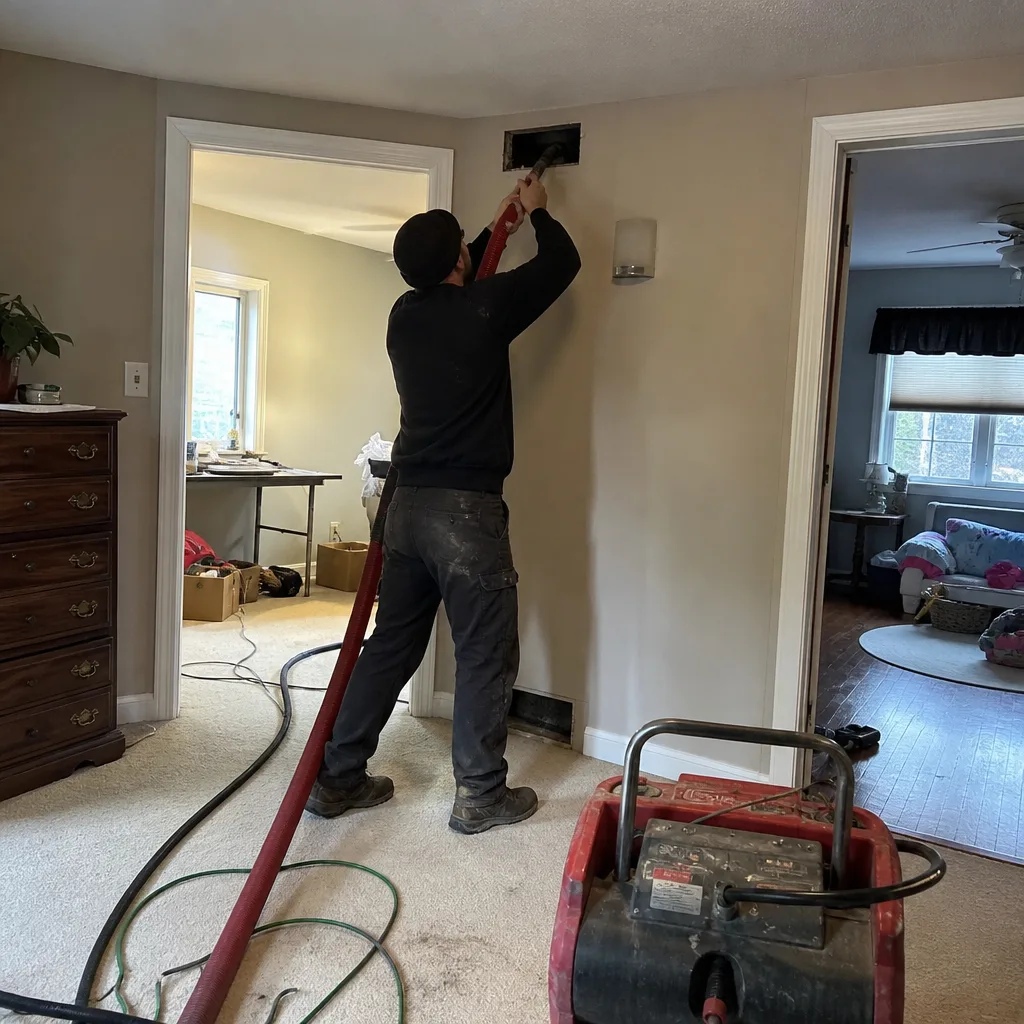 Before
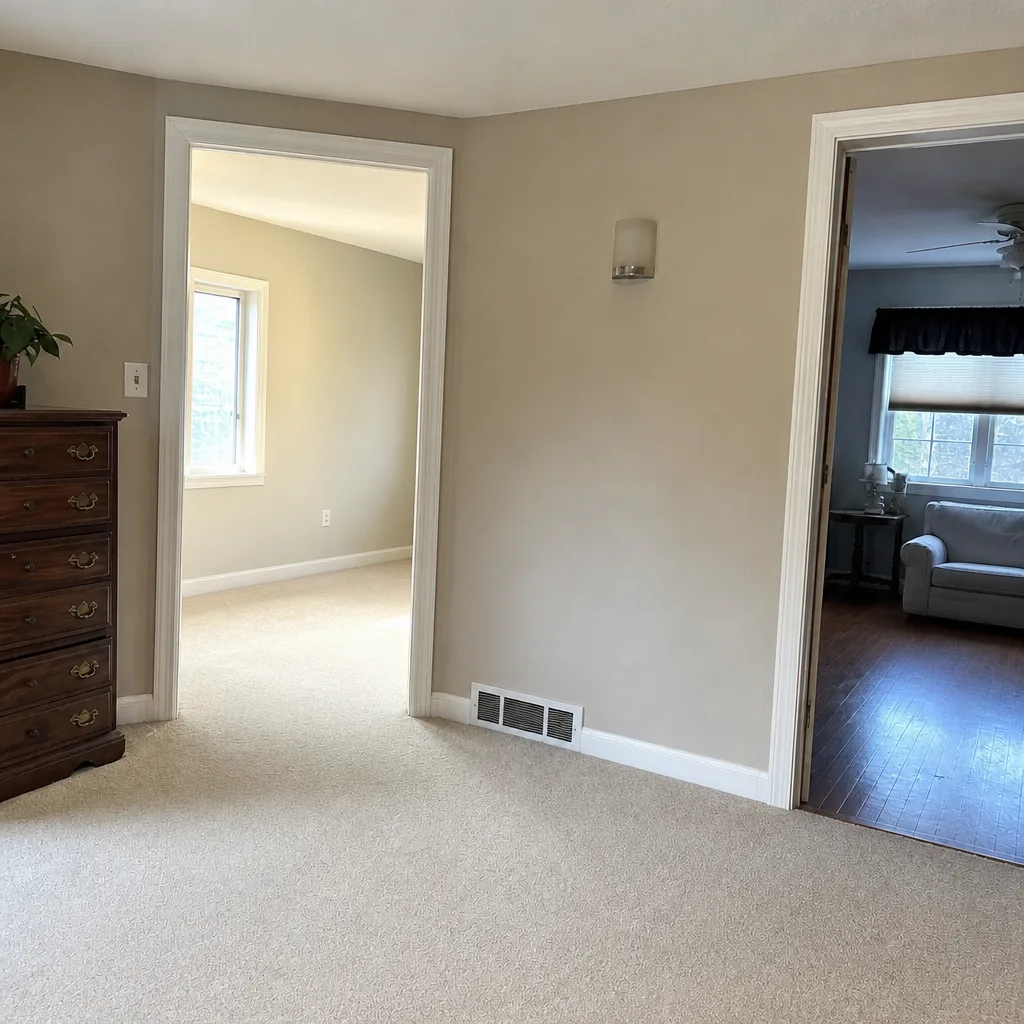 After
When to Call a Professional
Call a professional when you’re seeing visible debris blowing out of registers, when a dryer is taking longer than it should to dry a load, when a renovation has left construction dust in the system, when you’re buying or selling a Manchester home and want the ductwork assessed before closing, or when a prior contractor’s duct repair lacks a paper trail and you want it documented. Those are all legitimate reasons to call, and none of them require you to diagnose the system yourself.
Air duct cleaning in this city frequently turns into a repair conversation once the technician gets inside the ducts. Our technicians have up to experience, use Rotobrush and Nikro professional-grade equipment, and can fix what others only clean around. Grafton Air Duct Cleaning offers free estimates in Manchester. Call (833) 865-1627. We answer 24/7. Fast dispatch from 7am to 7pm, Sunday through Friday.
Frequently Asked Questions
No, routine air duct cleaning does not require a permit in Manchester, NH, because surface cleaning of existing ductwork isn’t a regulated construction activity. A permit is typically triggered when the job involves physical modification of the duct system: new branch runs, flex duct replacement, or new register openings. If the scope crosses that line, ask the Manchester building department before work starts. Call (833) 865-1627 for an exact quote on the cleaning side – estimates are free.
Whole-home air duct cleaning in Manchester typically runs from around $350 to $750, priced as one flat price per system agreed before work starts. Dryer vent cleaning typically runs from around $125 to $250. Duct repair is priced per job because it depends on what’s found. Call (833) 865-1627 for an exact quote – estimates are free.
Because they’re teaser numbers. A very low quote is usually either a per-vent price that balloons once the technician is on site, or a cleaning that skips equipment, assessment, and repair scope entirely. Ask what the price includes, whether it’s flat per system, and whether you’ll get before-and-after photos of your own ducts. Call (833) 865-1627 for an exact quote – estimates are free.
You get before-and-after photos of your own ducts, not of someone else’s job, along with a written scope and a record of what was done. Combined with one flat price per system agreed before work starts, that’s the verifiable version of the work. Call (833) 865-1627 for an exact quote – estimates are free.
If your Manchester home was built before 1980, there’s a real chance some duct wrap, tape, or joint compound in the system contains asbestos. Cleaning that ductwork without testing first is not responsible. Abatement, if needed, is a licensed discipline with its own regulatory requirements. Cleaning happens after abatement, never before. Call (833) 865-1627 for an exact quote – estimates are free.
Most homes don’t need it on a fixed schedule; it’s driven by conditions: visible debris, a recent renovation, pets, allergies, or a system that’s never been cleaned. A dryer vent benefits from a check when the dryer starts taking longer than usual. Manchester homes built before 1980 warrant a look at the duct material before any cleaning. Call (833) 865-1627 for an exact quote – estimates are free.
The Bottom Line
The cleaning job doesn’t need a permit. The repair the cleaning uncovers might. That’s the line to hold in your head: surface cleaning of existing ductwork is maintenance, while duct modification, flex duct replacement, and new register openings are construction that runs through the Manchester building department. Dryer vent transitions need UL 2158A material and correct length, and pre-1980 ductwork in this city needs an asbestos answer before anyone agitates it. Undisclosed duct repairs are a problem at resale and a problem in an insurance claim. Get the scope in writing, get the price flat per system before work starts, and if a repair turns up, treat it as the separate decision it is.
Call Grafton Air Duct Cleaning at (833) 865-1627 for a free estimate on air duct cleaning, dryer vent cleaning, or air duct repair in Manchester, NH. We answer 24/7. Fast dispatch from 7am to 7pm, Sunday through Friday.
Written by the team at Grafton Air Duct Cleaning.