
Last updated November 15, 2026
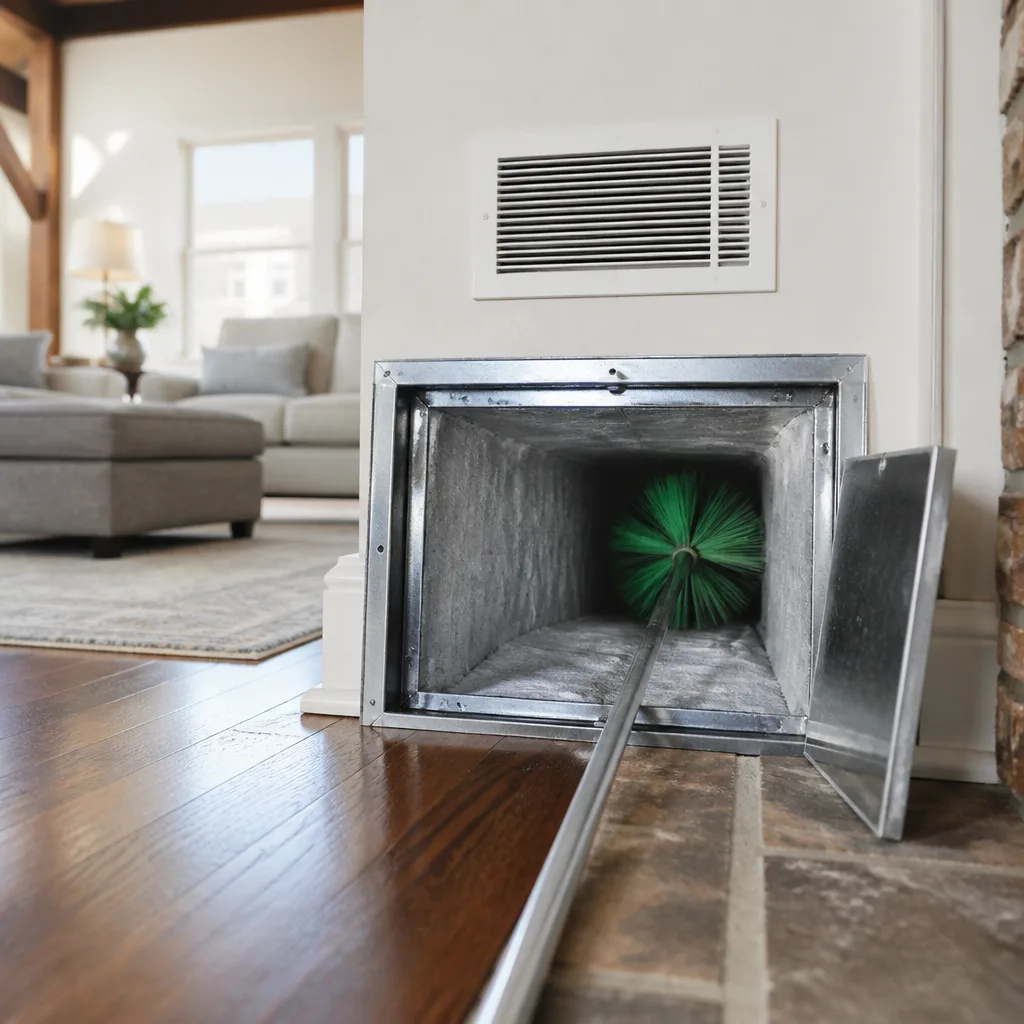
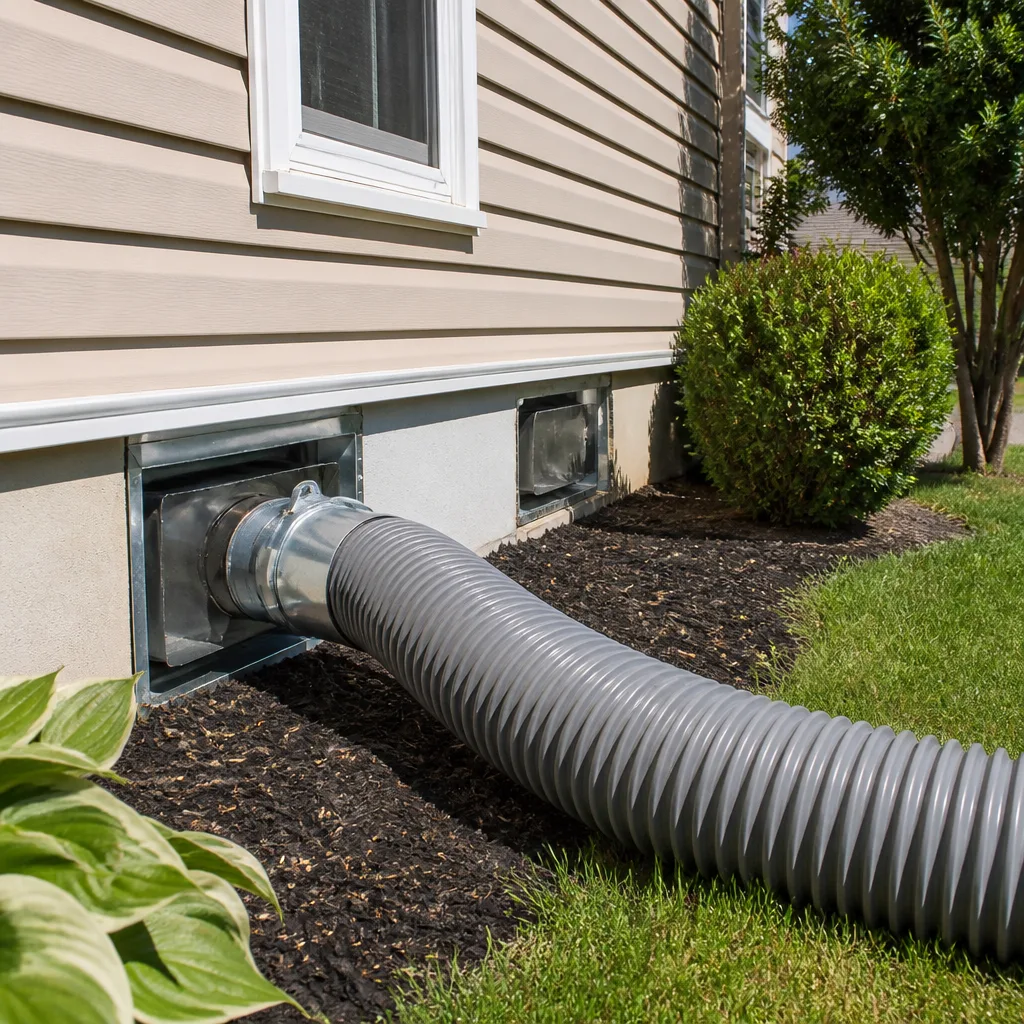 Whole-home duct cleaning
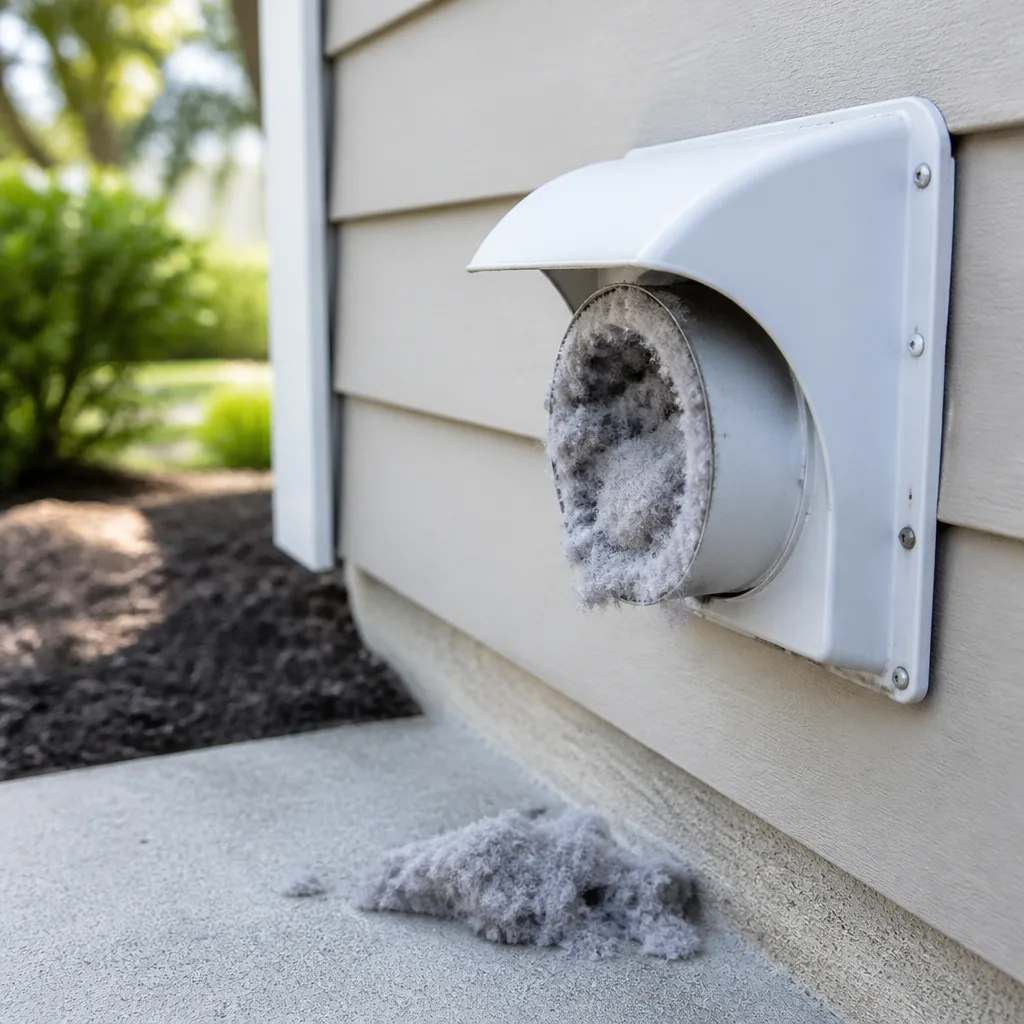 Dryer vent cleaning
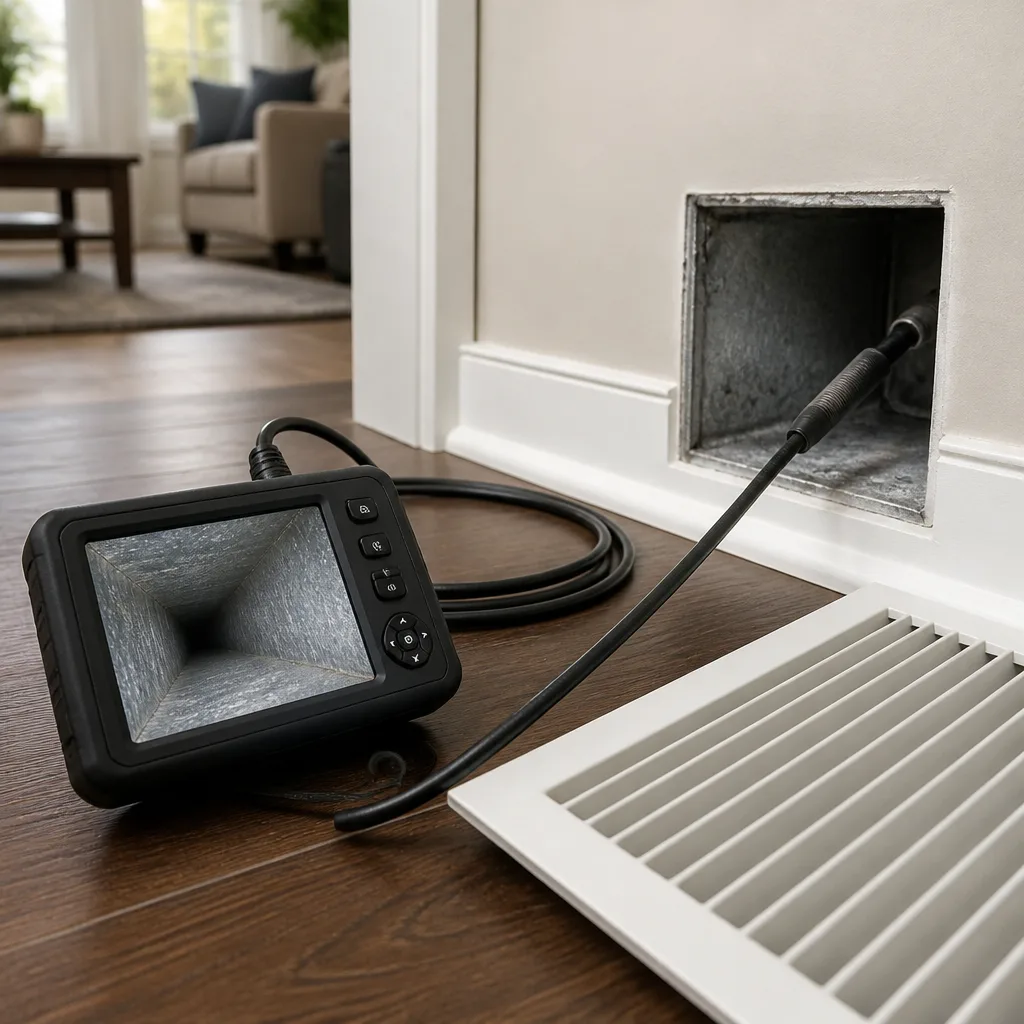 Camera inspection
 Sanitizing & deodorizing
Whole-system duct and dryer vent check with before-and-after photos - you see exactly what came out of your vents
That "$99 whole-house special" is a bait ad - the real number appears once they are in your hallway, or the "clean" is a shop-vac at the register. We photograph the inside of your ducts before and after instead.
Air Duct Cleaning Maintenance Schedule: What to Do and When
A household with two dogs, a 1970s colonial, and a fiberglass filter has almost nothing in common with a childless couple in a 2018 build. Yet most duct cleaning schedules treat them identically. The widely repeated “every three to five years” rule is a starting point, not an answer. What actually determines how fast your ductwork loads with debris is a stack of variables: home age, occupant count, pet dander, duct material, and filter grade. They compound differently in every house. This guide gives Manchester homeowners a framework calibrated to the actual system in their basement or attic, not an average of everyone else’s.
Quick Answer
Most Manchester homes should have ducts professionally cleaned every 3 to 5 years, but that interval can compress to every 2 to 3 years in homes with pets, recent renovation dust, or allergy sufferers, and can stretch toward 5 to 7 years in newer, low-occupancy homes with high-grade filtration. Annual homeowner checks between professional visits usually tell you which direction your own schedule should move. Dryer vents are a separate schedule entirely and should be cleaned roughly once a year.
Styles & brands we work with
- Whole-home duct cleaning
- Dryer vent cleaning
- Camera inspection
- Sanitizing & deodorizing
Table of Contents
- Why the “Every 3 to 5 Years” Rule Fails Most Homes
- The Five Variables That Set Your Real Interval
- A Variable-Based Schedule Framework for Manchester Homes
- What You Can Check Yourself Each Year
- Dryer Vent Cleaning: Its Own Schedule, Its Own Timeline
- Tracking Duct Condition Between Visits With MERV Loading
- Post-Renovation Cleaning: A One-Time Reset
- How Manchester’s Heating and Cooling Cycle Affects Timing
Why the “Every 3 to 5 Years” Rule Fails Most Homes
The three-to-five-year guidance gets repeated because it’s easy to remember and hard to argue with. It’s also built on an unstated assumption: an average house, average occupancy, average filtration. Manchester’s housing stock doesn’t cooperate with that. A block of older homes near the Suncook River corridor, a 1990s subdivision off Mammoth Road, and a newer build near Derryfield Park all present different duct loads, even if they’re the same square footage.
What “average” misses:
- Renovation dust is a fundamentally different material from ordinary household dust. Drywall powder is fine, aggressive, and coats every horizontal surface inside a duct run.
- Pet dander doesn’t just accumulate; it binds to other debris and forms a light, fibrous layer that clings to duct walls rather than settling.
- Filter grade controls how much particulate gets into the ducts in the first place. A fiberglass filter mostly traps large debris. A MERV 11 or 13 filter captures a lot more, which changes the load rate considerably.
- Occupant count matters. Four people generate more dust, humidity, and airborne skin cells than two. The rate at which a system loads is tied to how much traffic the air moves through it.
In our experience across Manchester, the far more useful approach is to give each variable its own weight, then add them up. A household with two dogs, a 1970s house, and a fiberglass filter isn’t a “3-to-5-year” home. It’s closer to every 2 to 3 years. The variables decide.
This matters for the broader system, too. We treat Grafton Air Duct Cleaning as a full-picture service precisely because duct condition interacts with filtration, airflow, and equipment condition. You can’t schedule a cleaning intelligently without knowing what’s actually happening in the system.
The Five Variables That Set Your Real Interval
Five factors do most of the work in setting your ideal interval. Each one shifts the baseline in a measurable direction. Rather than assigning a single number, think of each variable as a modifier that moves your starting point.
1. Home Age and Original Duct Material
Homes built before the mid-1980s often have galvanized steel or even early flex ductwork with joins that have had decades to loosen. Older duct systems tend to leak at sealed connections, pull in air from unconditioned spaces, and accumulate debris along interior seams and elbows. A 1950s house near the Manchester Historic District may load faster simply because the ductwork has more entry points for dust.
2. Occupant Count and Lifestyle
Every additional person in a home increases the dust, moisture, and skin-cell load the HVAC system processes. Two occupants in a home with a good filter behaves differently from a family of five. High-traffic homes (frequent guests, adult hobbyists, home offices) load faster than low-traffic ones.
3. Pets
Pet dander is the single most schedule-shifting variable in most homes we encounter in Manchester. One dog or cat moves the recommended interval toward the shorter end of the range. Two or more large, double-coated animals will push it harder. Dander acts like a glue between otherwise fine particles, and the resulting layer clings to the inside of duct liners rather than settling.
4. Filtration Grade
A fiberglass filter and a MERV 11 filter trap very different amounts. The higher the MERV rating, the less debris makes it into the ducts in the first place. Homes running a MERV 11 to 13 filter reliably stretch their duct cleaning interval. Homes running fiberglass filters shorten it.
5. Duct Liner Type
Fiberglass-lined interior duct, common in homes that were built or retrofitted with acoustic duct liner, absorbs and holds particulate in a way bare metal doesn’t. Lined ducts need to be scheduled shorter. Bare-metal trunks and branches generally hold less debris and can tolerate slightly longer intervals.
A Variable-Based Schedule Framework for Manchester Homes
Here’s a practical way to use those variables. Start with a baseline, then add or subtract based on your home. This isn’t a precise formula; it’s a structured way to think about when the next cleaning should be scheduled, and it’s how we’d approach the same question if we were sitting in your living room looking at your HVAC system.
Step-by-step: Setting Your Baseline Interval
- Start with a 4-year baseline. This is a reasonable default for a home with no unusual factors.
- Subtract 1 year per pet (large, double-coated). Small pets: subtract half a year.
- Subtract 1 year if the home predates 1985 and has original or partially original ductwork.
- Subtract 1 year if anyone in the home has seasonal or perennial allergies, or if the home has recent renovation dust lingering.
- Add 1 year if you run MERV 11 or higher filtration and change it on schedule.
- Add half a year if the home was built after 2010 with modern duct sealing and low occupancy.
- Clamp the final number between 2 and 7 years. Below 2 years is almost always unnecessary unless the system has a specific problem (leaks, disconnected sections, or biological growth).
A childless couple in a 2018 build with MERV 13 filtration typically lands around 5 to 6 years. A family of four in a 1970s home with two dogs and a fiberglass filter typically lands at 2 to 3 years. That’s a wide spread, and it reflects reality in Manchester homes far more accurately than a flat number.
Where Manchester-Specific Factors Enter
Two things about Manchester specifically affect the math. First, the region’s cold winters mean the heating system runs hard from November through March, which moves more air through the ducts during the year than a mild climate would. Second, the mix of older buildings and newer subdivisions means a street-by-street variation in duct age. A home near the Piscataquog River on one block can have very different ductwork from a home a mile away in a newer development.
When you schedule air duct cleaning, bring your home’s specifics to the call: age, occupants, pets, filter grade, and duct liner. Any technician worth hiring will adjust the recommendation based on what you tell them, not on a canned script.
What You Can Check Yourself Each Year
Between professional cleanings, there’s real value in checking three things annually. None of it substitutes for professional equipment, but it lets you notice when the schedule needs to move up. These checks usually take less than 30 minutes total.
Register Inspection
Pop off two or three supply registers on different floors or zones. Look inside with a flashlight for visible dust accumulation, pet hair, or debris. A light film is normal; a visible mat of material is a signal the interval needs to shorten. Check return registers too. They catch far more debris than supply registers because that’s where the majority of return air enters.
Filter Delta-Pressure (the Simple Version)
You don’t need a pressure gauge for this. Track how quickly your filter loads. If a filter you used to change every three months is suddenly loading in six weeks, that’s a signal that something is pushing extra particulate into the system. Possible causes include a nearby renovation, a change in pets, or failing seals on a duct connection. Shortening your duct cleaning interval is often the right response.
Visual at Accessible Duct Joints
Look at any accessible duct joint: the transition from the furnace plenum to the trunk, and any connection you can reach in an unfinished basement or attic. Visible dust trails along the exterior of the joint indicate a leak that’s both wasting conditioned air and pulling debris in. This is a repair signal as much as a cleaning signal. We repair ducts, not just clean them, and this is exactly the kind of observation that triggers that conversation.
If any of these three checks suggests the system is loading faster than you expected, that’s the moment to move up the cleaning, not wait out the calendar.
Dryer Vent Cleaning: Its Own Schedule, Its Own Timeline
Dryer vents are a separate schedule, not a bundled add-on. The failure mode is different (lint accumulation in a small-diameter duct leading to restricted airflow and fire risk), the timeline is different (roughly annual for most households), and the risk is different from anything in the main HVAC duct system.
Why the Dryer Vent Schedule Is Separate
The main HVAC ducts move air but they don’t produce heat. The dryer vent duct carries hot, moisture-loaded air out of the home. Lint that builds up inside the vent reduces airflow, causes overheating, and is the mechanism behind lint-related dryer fires. The duct is smaller, so the same volume of lint creates far more restriction than it would in a supply trunk.
Household Factors That Adjust the Dryer Vent Interval
- Household size and laundry volume: more loads per week means faster lint accumulation.
- Vent run length and number of elbows: longer runs and more turns capture more lint.
- Vent termination type: a screened or louvered exterior vent clogs faster than an open one.
- Dryer model and cycle length: longer or higher-heat cycles push more lint through.
A household doing two loads a week with a short vent run may comfortably go 18 months. A household doing daily laundry with a long, elbow-heavy run should plan on annual service and possibly shorter. If your dryer is suddenly taking noticeably longer to dry a load, or the exterior vent flap is barely moving when the dryer runs, that’s the trigger. Book dryer vent cleaning promptly.
What the Cleaning Actually Involves
A proper dryer vent cleaning uses agitation and negative air pressure tools to loosen and evacuate lint from the full run, including elbows and the exterior termination. Rotobrush and Nikro systems are the professional equipment most technicians use for this work, and they reach into areas that a shop vacuum cannot. Before-and-after photos of the run show what was actually removed, which is the clearest way to verify the work.
We treat this as a fire-safety service, not a convenience item. That’s why it has its own schedule, separate from the main duct work.
Tracking Duct Condition Between Visits With MERV Loading
MERV filter loading rate is the most useful proxy indicator a homeowner has for what’s actually happening inside the ducts. The idea is simple: a filter that loads quickly is telling you that more particulate is in the airstream than normal. That usually correlates with faster duct loading too.
How to Track It
- Note the install date on every filter you change. A marker on the filter frame works.
- Inspect the filter every three weeks. Hold it up to light. When you can no longer see through it clearly, it’s loaded.
- Record the interval. If the last three filters all loaded in about six weeks, that’s your baseline.
- Watch for a shift. A meaningful drop in loading interval (say, three months down to six weeks) is a signal that particulate load has increased.
- Look at the filter surface closely. Fibrous, sticky material on the intake face usually indicates pet dander or renovation dust. Fine grey powder usually indicates ordinary household dust. Visible chunks usually indicate debris pulling in from a duct leak.
None of this replaces a professional assessment. But tracking loading rate gives you a real, home-specific signal that a fixed calendar cannot. When a filter loading pattern shifts for a reason you can’t identify, that’s when a technician should look at the ducts themselves.
MERV-rated filters also interact with whole-home air quality systems. Honeywell and Aprilaire filtration units integrate filter media into the HVAC system and behave differently from a simple slot filter. If your home has one of these installed, the loading pattern and the cleaning intervals are worth discussing with a technician who knows the equipment.
Post-Renovation Cleaning: A One-Time Reset
A renovation resets the schedule regardless of when the last cleaning happened. Drywall dust, sanding residue, insulation fibers, and construction debris enter the duct system during a project. The volume of material is much larger than normal household loading, and it can settle into areas that ordinary operation wouldn’t affect for years.
When to schedule post-renovation cleaning:
- After final cleanup, before occupancy resumes is the ideal window. That’s when a lot of fine dust is still floating around the home and hasn’t yet had a chance to be pulled into the system by repeated HVAC cycles.
- If you’ve already moved back in, schedule within the first month. Running the HVAC for weeks moves the material deeper into the system.
- If the renovation involved opening walls or replacing ceiling systems, treat it as a mandatory reset. There’s no “waiting it out” for a project of that scale.
After the cleaning, the “clock” restarts. Your next cleaning should be calculated from the post-renovation service date, not the last regular service date. This is one place where a fixed calendar genuinely undermines good decision-making: a home cleaned last spring and renovated this winter is due again now, not in three more years.
We also recommend checking for duct damage after major renovations. Dust is the visible issue, but disconnected flexible duct runs, crushed sections, and leaking joints are common post-renovation findings. Cleaning a compromised system doesn’t fix the compromise, and in some cases makes the problem more visible. If a technician finds disconnected duct during a cleaning, the right next step is repair, not a cleaner-looking but functionally identical system.
How Manchester’s Heating and Cooling Cycle Affects Timing
Manchester’s climate adds its own rhythm to the schedule. The heating system runs hard from late fall through early spring, pushing a large volume of warm, dry air through the duct system during the coldest months. That moves more dust through the ducts than the cooling season does in most homes, even homes with central air.
Two timing considerations follow. First, a cleaning scheduled in early fall (before the heating season starts) means the system enters its heaviest use period clean. Second, a cleaning scheduled in early spring catches the accumulated load of the winter before the cooling season begins. Both are reasonable; the right one depends on how heavily the home uses the system.
One Manchester-specific note: several neighborhoods here are close enough to the river that summer humidity is a factor. Humidity encourages biological growth in duct systems that already have accumulated debris, so a home that has been running its cooling hard through July and August may need inspection slightly earlier than a similar home in a dryer part of the state.
We’d also mention that homes in the Suncook area present similar seasonal timing. The general pattern of a heavy heating season followed by a humid cooling season applies broadly across the region.
Common Mistakes to Avoid
- Following the “3-to-5-year” rule without considering your home’s variables. A household with pets and an older duct system in Manchester doesn’t fit that rule, and applying it anyway delays needed service.
- Skipping the filter tracking habit. Without a baseline loading interval, you have no way to notice when conditions change. That means the ducts load up without a signal until a symptom appears.
- Treating dryer vent cleaning as a bundled add-on. The dryer vent has its own failure timeline and shouldn’t be deferred because the main ducts aren’t due yet.
- Scheduling post-renovation cleaning too late. Waiting six months after a renovation lets material migrate deeper into the system and makes it harder to remove.
- Cleaning a system with broken or disconnected ducts. If a technician won’t inspect duct connections before or during cleaning, you’re likely paying for a cleaner-looking system that still leaks. Insist on duct repair capability, not just cleaning.
- Running a fiberglass filter for years “because it’s cheap.” The savings disappear when duct loading accelerates and the cleaning interval drops by a year.
- Assuming a newer home doesn’t need cleaning. Newer homes in Manchester still accumulate dust, and some new builds have duct systems with poorly sealed joints that pull unconditioned air in from the attic or crawlspace.
See the difference
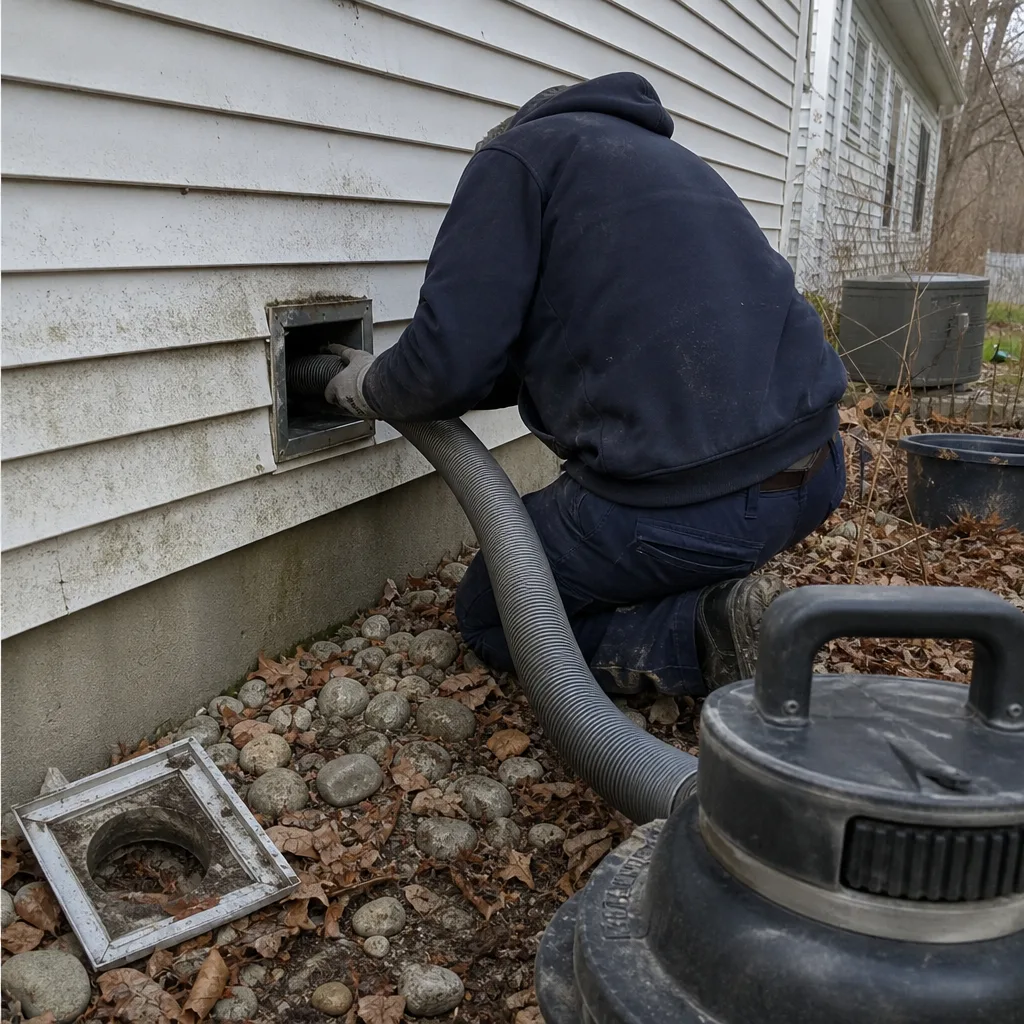 Before
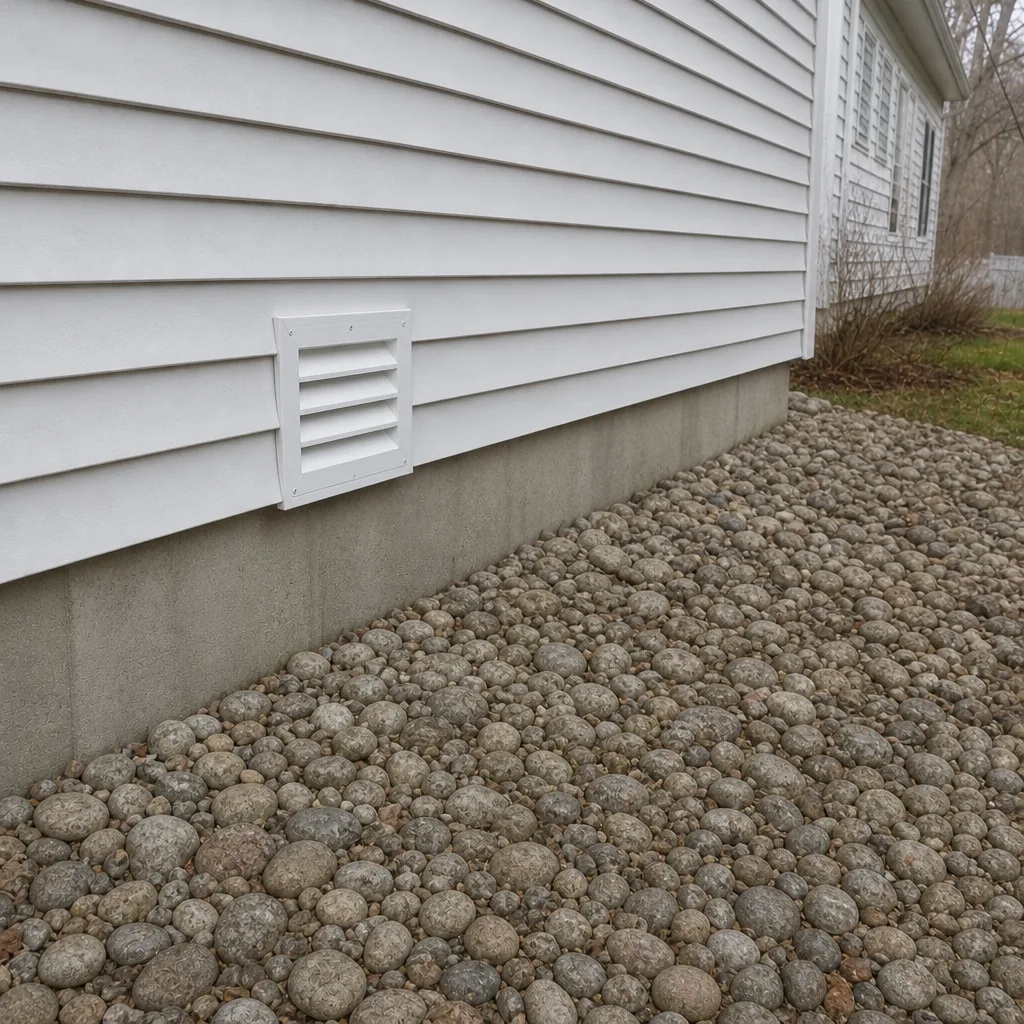 After
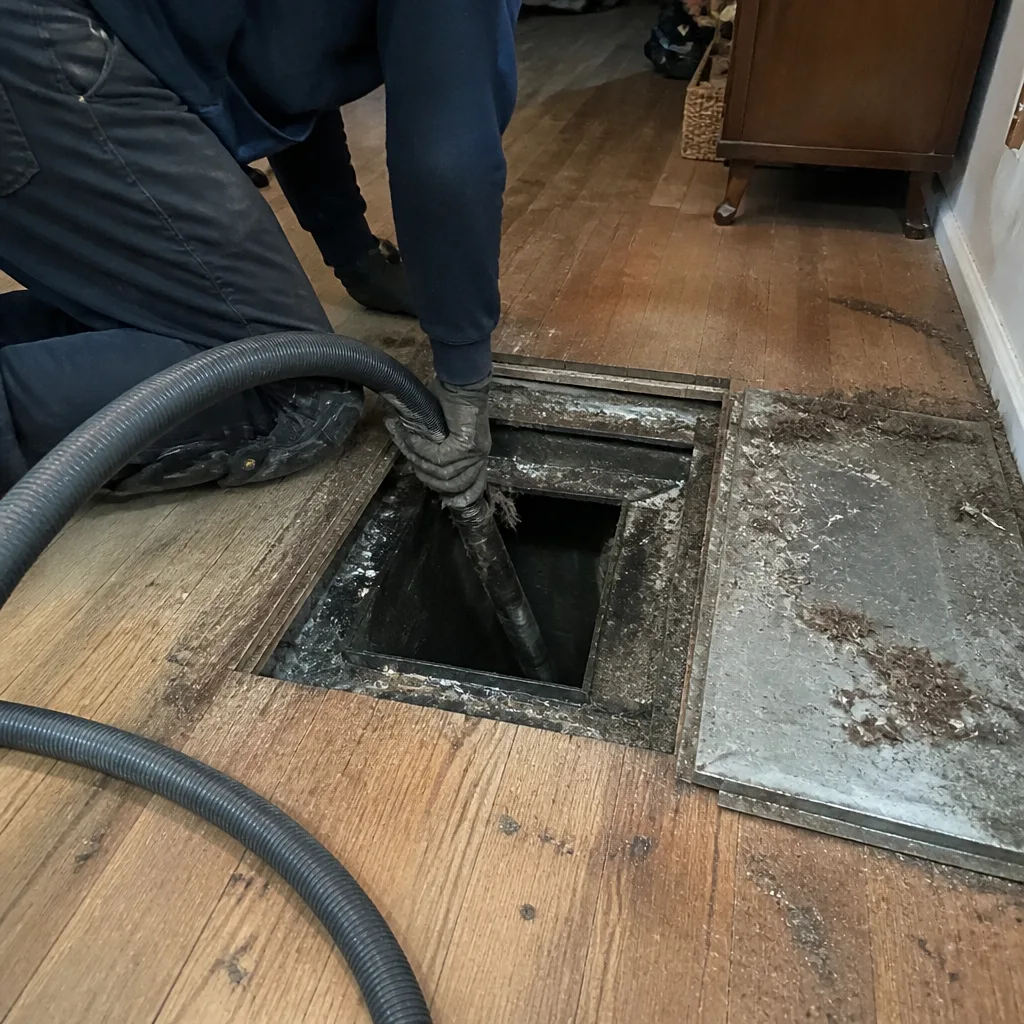 Before
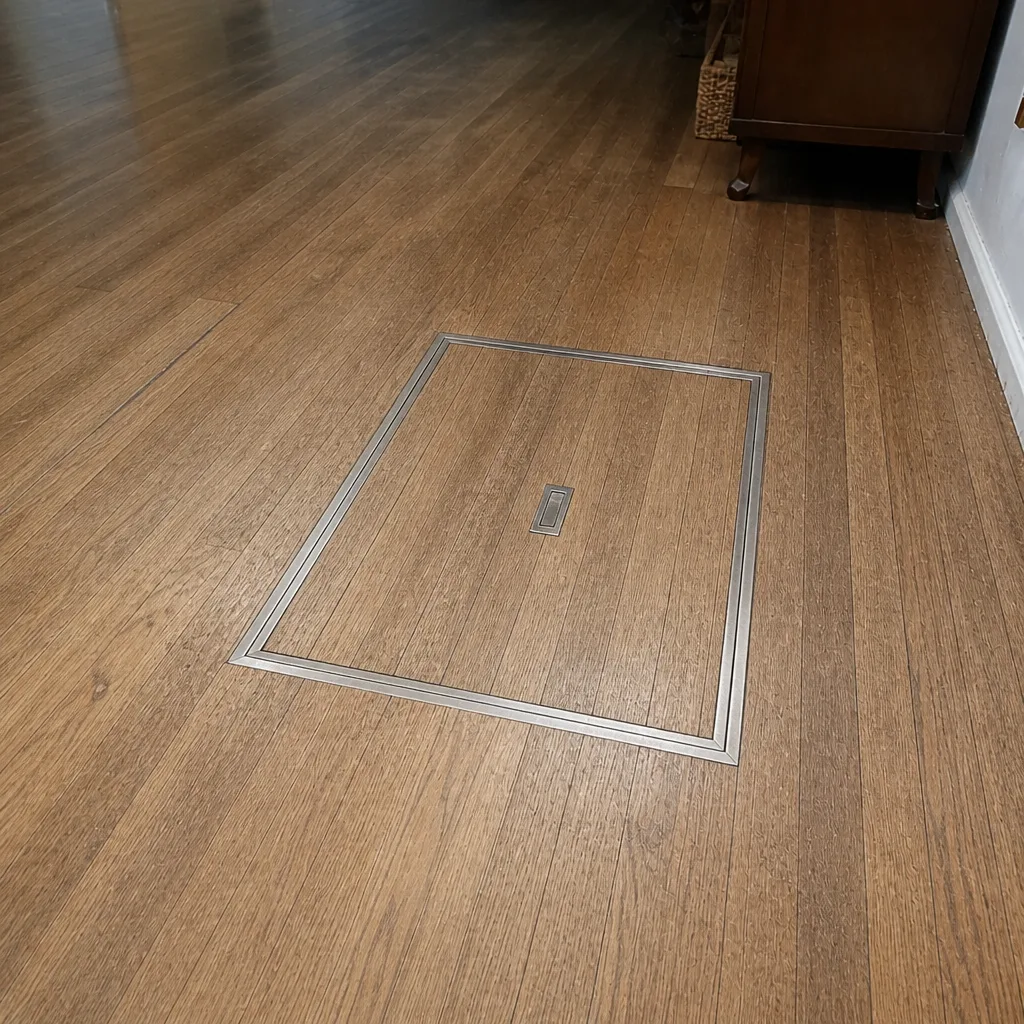 After
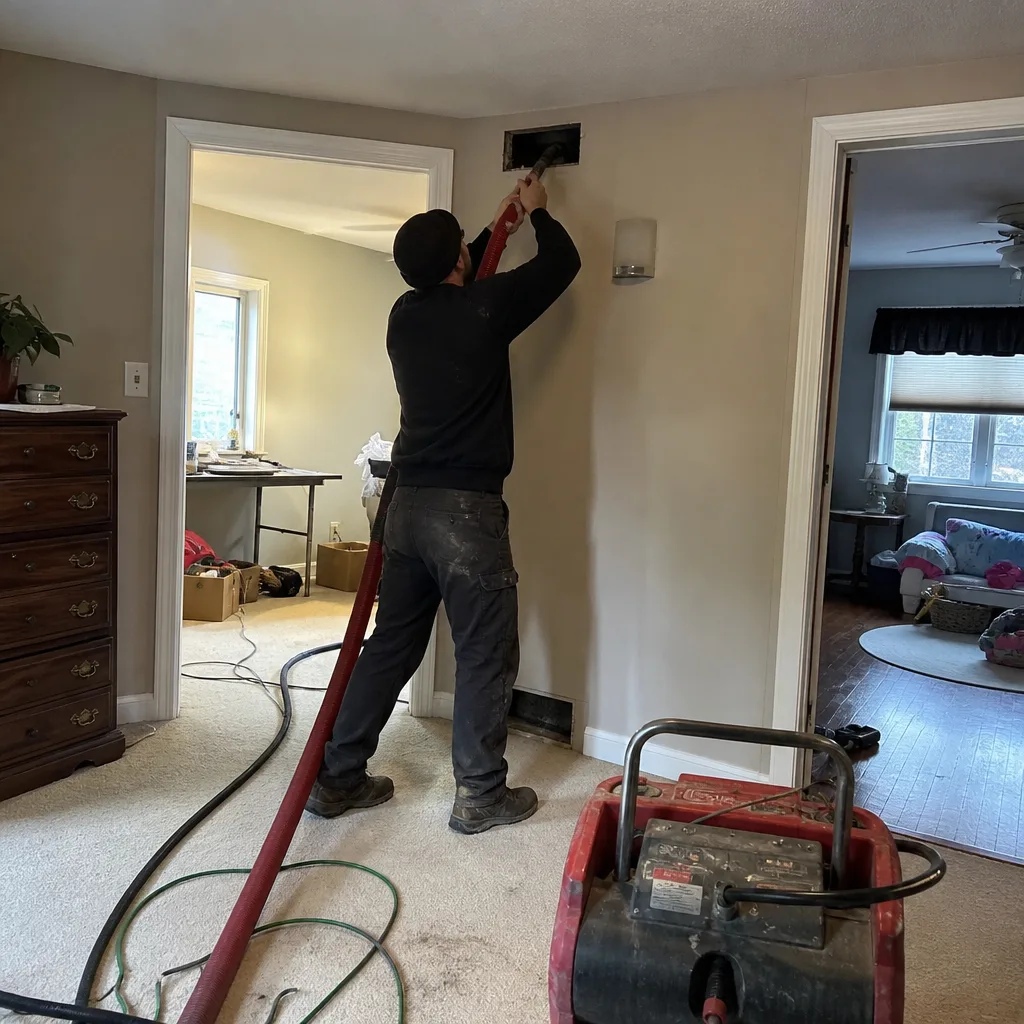 Before
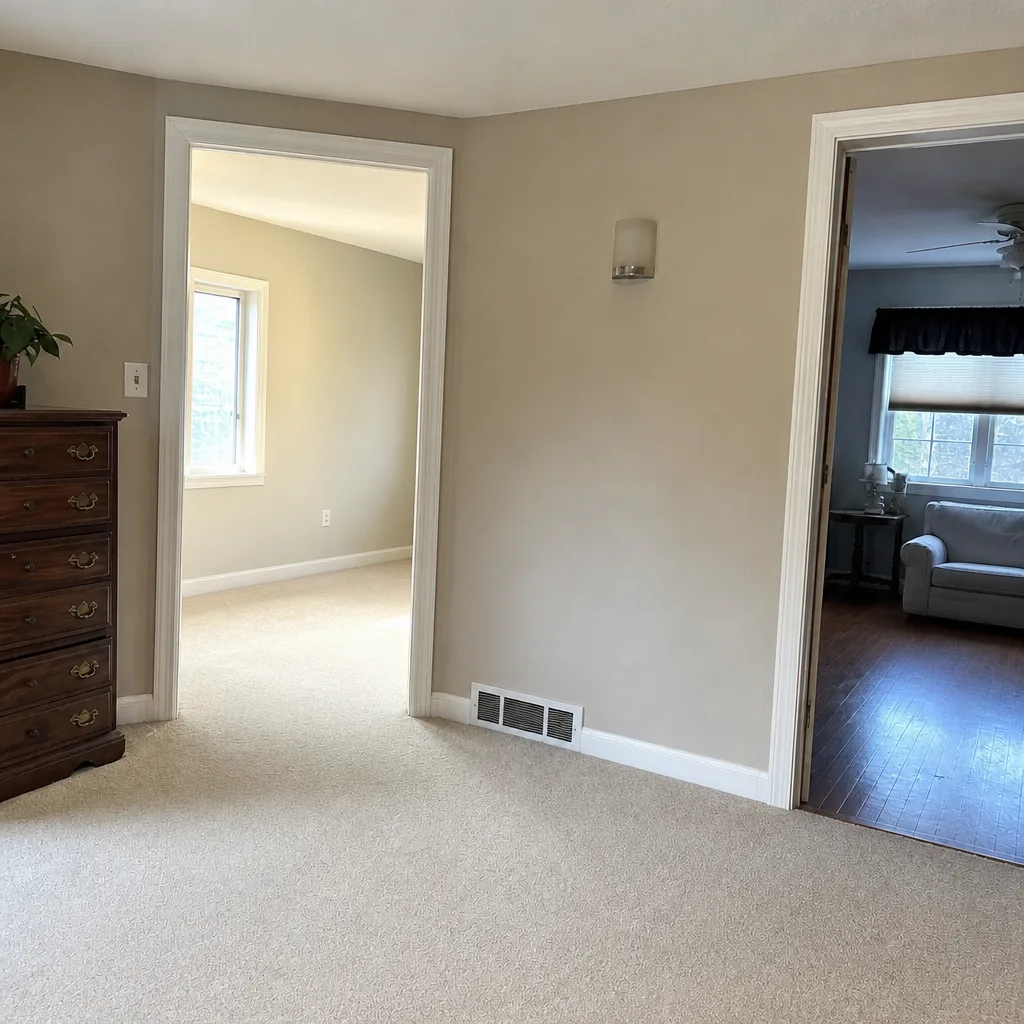 After
When to Call a Professional
Call a professional when any of these signals appears: visible dust or debris inside registers, a filter loading pattern that has changed without explanation, worsening allergy symptoms in the home during heating or cooling season, a recent renovation that opened walls or ceilings, or a dryer that is taking noticeably longer to dry a load. Also call if you suspect a duct is disconnected, crushed, or leaking. Cleaning-only services can’t fix a compromised system, and the value of the cleaning depends on the system being sealed and connected.
Grafton Air Duct Cleaning offers free estimates in Manchester. Call (833) 865-1627. We answer 24/7. Fast dispatch from 7am to 7pm, Sunday through Friday. We use Rotobrush and Nikro professional equipment, and we repair ducts, not just clean them.
Frequently Asked Questions
Most Manchester homes should have ducts cleaned every 3 to 5 years, with the interval adjusted based on pets, home age, filtration grade, and any recent renovation. Homes with multiple pets, older duct systems, or allergy sufferers often need cleaning every 2 to 3 years. Call (833) 865-1627 for an exact recommendation for your home.
Yes. The dryer vent should be cleaned roughly annually for most households, with adjustments for laundry volume, vent run length, and the number of elbows. It’s a separate service with its own failure mode (lint accumulation and fire risk), not a bundled add-on to the main duct cleaning. Book dryer vent cleaning when your dryer takes noticeably longer to dry a load.
Track your MERV filter loading interval and watch for a meaningful change. If a filter that used to load in three months is now loading in six weeks, that’s a signal that duct loading has accelerated too. Visible debris inside registers and worsening allergy symptoms are additional triggers. Call (833) 865-1627 for an assessment.
It shifts the timing slightly but doesn’t change the interval dramatically. The heavy heating season runs more air through the ducts during winter, and humid summers can encourage biological growth in systems with accumulated debris. Scheduling service in early fall or early spring works well for most Manchester homes. Call (833) 865-1627 to discuss timing for your specific home.
Yes. Any renovation that opened walls, replaced ceilings, or involved significant drywall work should trigger a post-renovation cleaning regardless of when the last regular cleaning happened. The renovation resets the schedule, and the next interval should be calculated from the post-renovation cleaning date. Call (833) 865-1627 for an estimate.
Cleaning a system with disconnected or crushed ducts doesn’t solve the underlying problem. Leaky or disconnected ducts pull in unconditioned air from attics and crawlspaces, which means the cleaned system loads again faster. We repair ducts, not just clean them, which is why our estimates always include checking duct connections. Call (833) 865-1627 for a free consultation.
The Bottom Line
A fixed duct cleaning schedule works only if your home matches the average that schedule was built around. Most Manchester homes don’t. The variables that matter are home age, occupant count, pet load, filtration grade, and duct liner type, and shifting the interval based on them is far more useful than waiting out a calendar. Track your MERV filter loading rate between visits, inspect your registers annually, treat dryer vent cleaning as its own annual schedule, and reset after every renovation. If any signal says the schedule needs to move up, call (833) 865-1627. Estimates are free, and a technician who can repair ducts, not just clean them, will tell you what the system actually needs.
Written by the team at Grafton Air Duct Cleaning.