
Last updated November 15, 2026
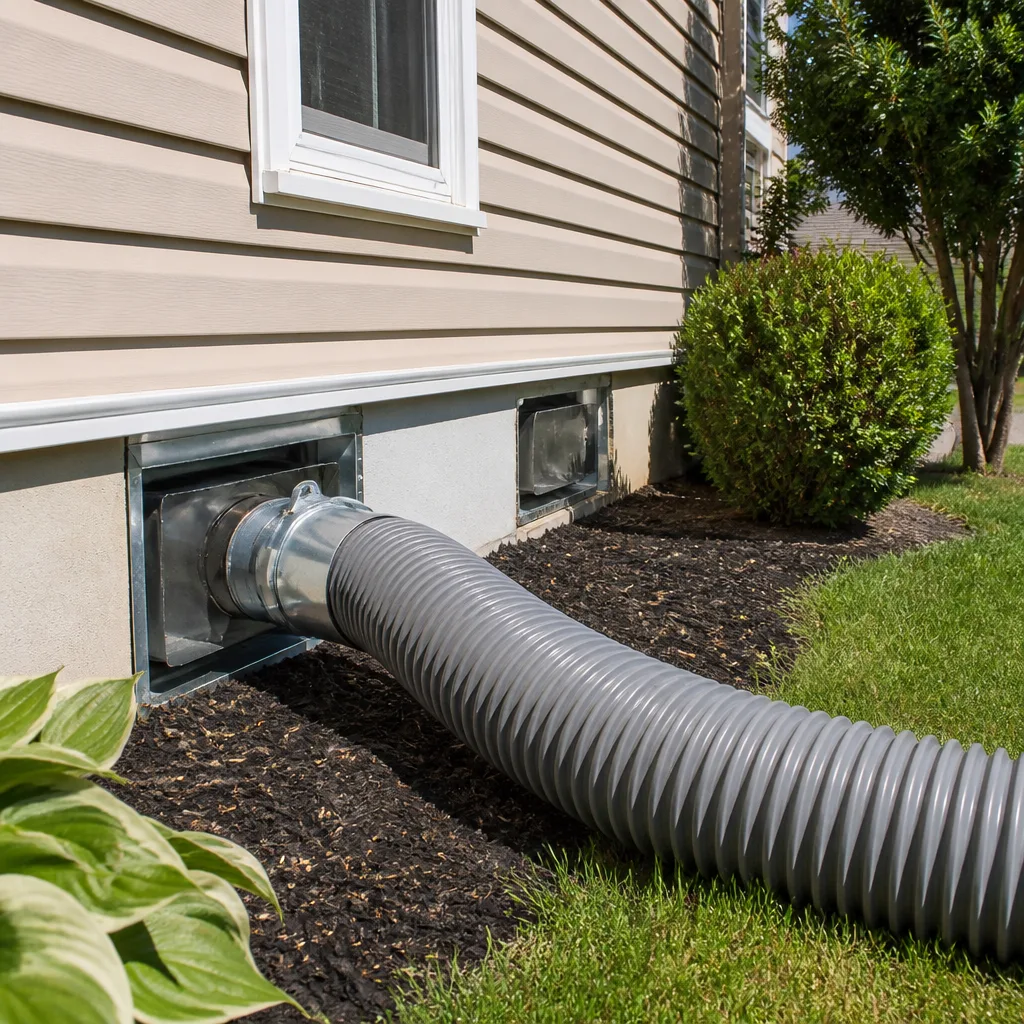 Whole-home duct cleaning
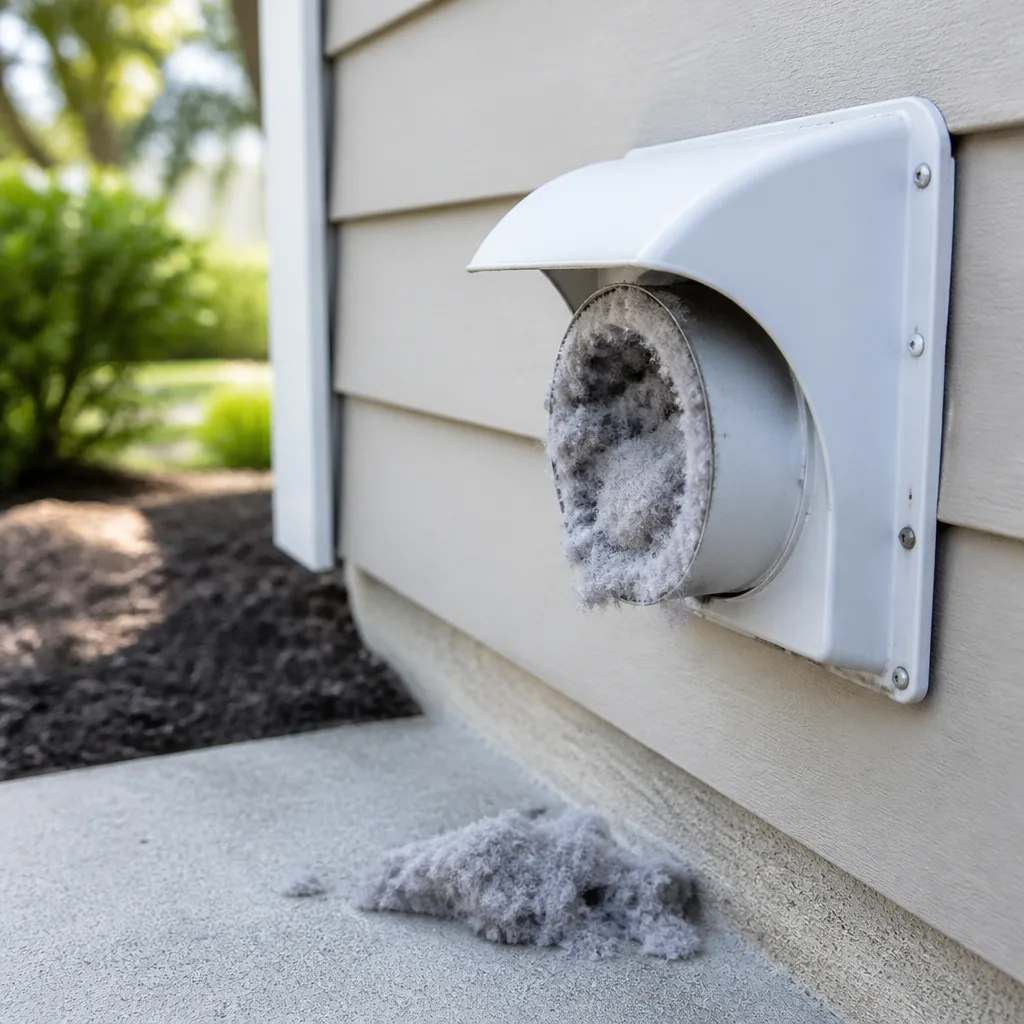 Dryer vent cleaning
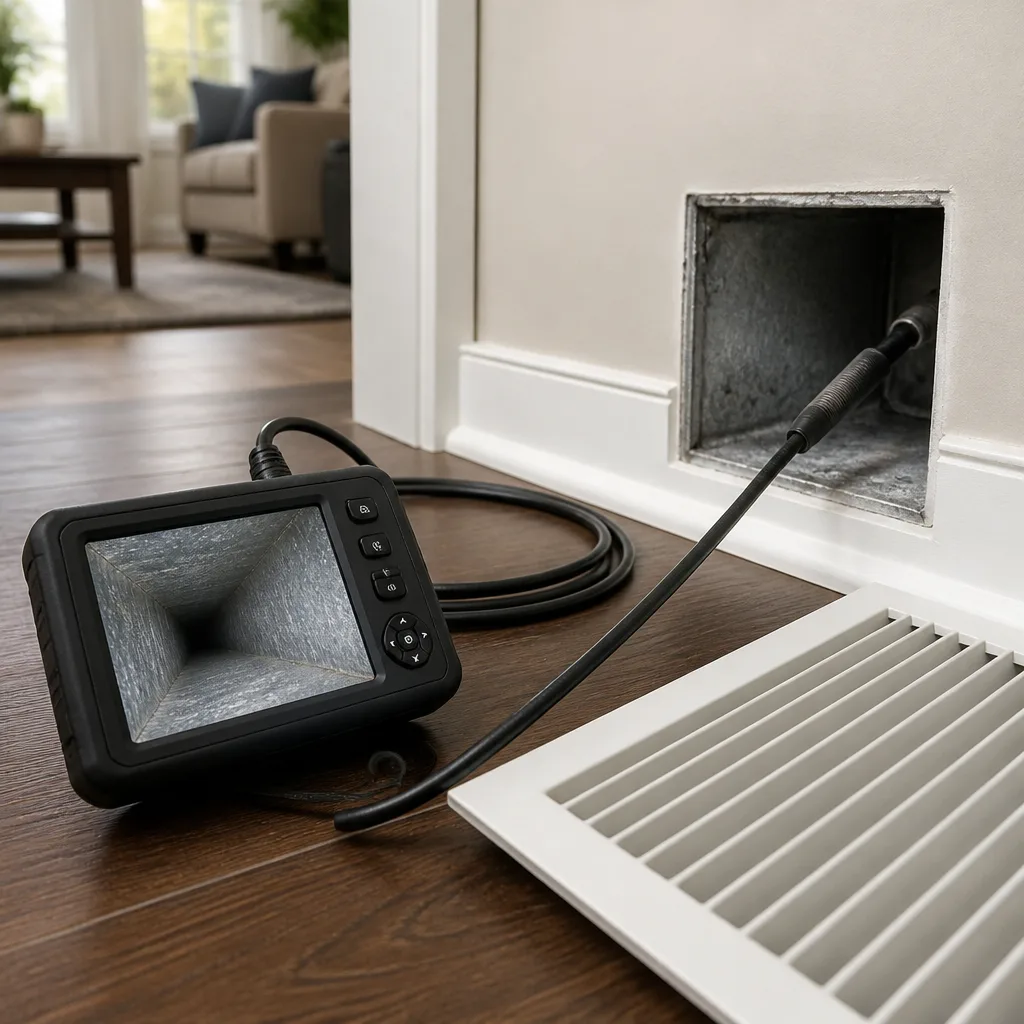 Camera inspection
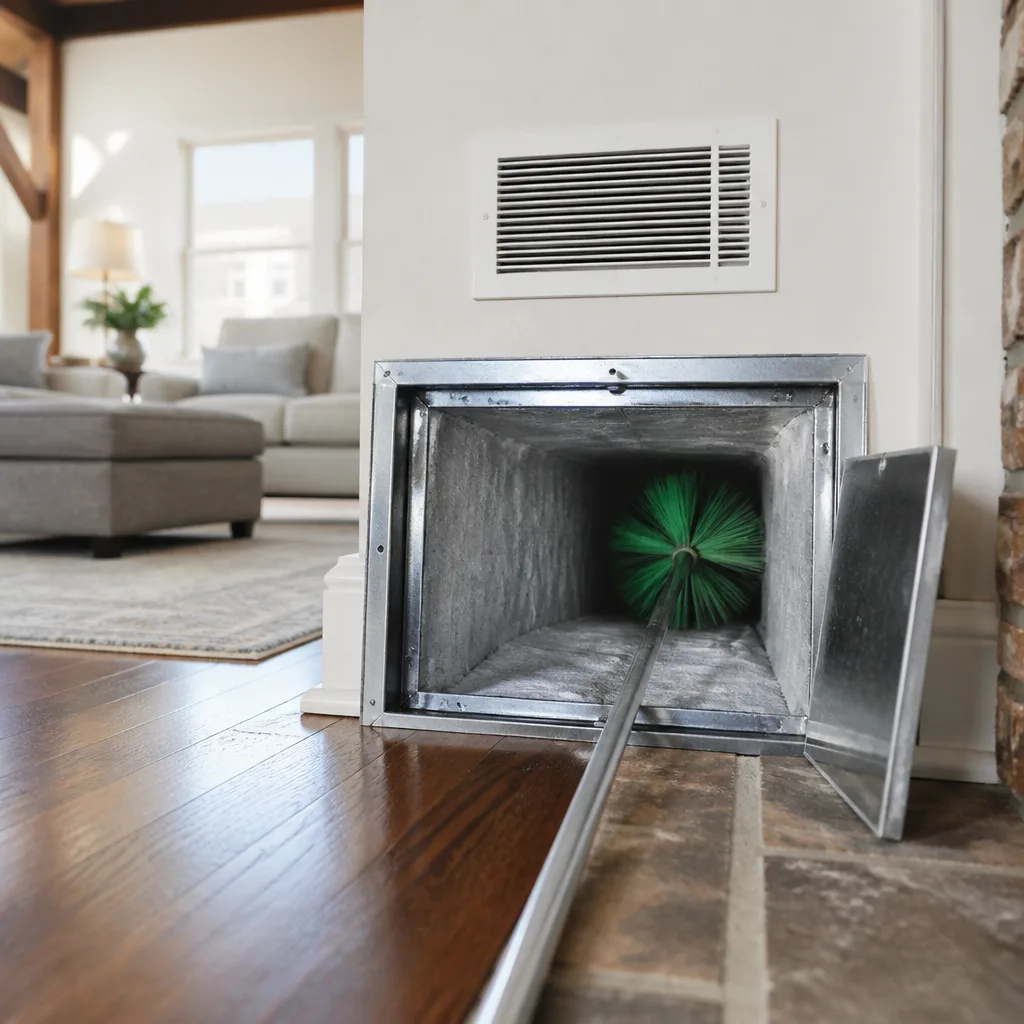 Sanitizing & deodorizing
Whole-system duct and dryer vent check with before-and-after photos - you see exactly what came out of your vents
That "$99 whole-house special" is a bait ad - the real number appears once they are in your hallway, or the "clean" is a shop-vac at the register. We photograph the inside of your ducts before and after instead.
Seasonal Air Duct Cleaning Care for Manchester: Year-Round Homeowner’s Guide
Most homeowners in Manchester treat duct cleaning as an annual chore, something to knock out once and forget. That thinking misses what actually happens inside ductwork across a New Hampshire year. Our climate swings from sustained single-digit cold to humid 90°F stretches, and each shift loads your duct system differently. Flex duct behaves one way in a bitter January and another way in a muggy July. The particles that settle in a crawlspace run aren’t the same ones that build up in a return chasing pollen each spring. This guide walks through each of those stress periods, explains what’s actually failing and why, and gives you a month-by-month calendar built for New Hampshire’s climate zone rather than a national template. By the end you’ll know when to clean, when to inspect, and when to repair.
Styles & brands we work with
- Whole-home duct cleaning
- Dryer vent cleaning
- Camera inspection
- Sanitizing & deodorizing
Quick Answer
Air duct cleaning in Manchester works best as a seasonal practice, not a single yearly event: a fall cleaning before the heating system runs continuously, a spring camera check after it shuts down, and repairs whenever you find disconnected joints or leaky returns. Our technicians have up to experience with Manchester duct systems, and we’ve seen how each season leaves its own signature. The short version: clean in fall, assess in spring, watch for humidity problems in summer, and address cold-season duct compression before it becomes a repair.
Table of Contents
- Why Manchester’s Climate Stresses Ductwork Differently
- Winter: What Sustained Cold Does to Your Duct System
- Spring: Post-Heating-Season Load and the Case for a Camera Assessment
- Summer: Humidity, Condensate, and the Musty First-Cool Smell
- Fall: The Dominant Cleaning Window in New Hampshire
- A Month-by-Month Action Calendar for Zone 6
- Repair vs. Clean: Knowing Which Your System Needs
- Common Mistakes to Avoid
- When to Call a Professional
- Frequently Asked Questions
- The Bottom Line
Why Manchester’s Climate Stresses Ductwork Differently
Ductwork isn’t a passive tube. It’s a mechanical assembly that expands, contracts, and seals (or fails to seal) based on the air moving through it and the temperature around it. Manchester sits in a climate zone where that assembly goes through four genuinely different operating conditions a year, and each one pushes on a different part of the system.
Most air duct advice you’ll read online was written for the Sunbelt, where the system runs one mode heavily and winters are mild. That advice doesn’t help you here. In Manchester the heating system runs long and hard for months, then cycles off almost entirely in the warm season while the cooling side takes over. Duct joints that loosened over winter may not show up until the AC starts and you notice a room that won’t cool.
Here’s the failure pattern we see most:
- Winter: cold air surrounding poorly insulated runs pulls heat out of the duct, and flex duct joints compress with the temperature swing.
- Spring: the system shuts off, particulate that’s been circulating all heating season finally settles, and pollen finds its way in through leaky returns.
- Summer: humidity in the cooling system creates conditions for mold growth near the evaporator coil and condensate pan.
- Fall: the window to clean and clear combustion byproducts before heating season is short and specific.
Treating this as a year-round practice means you catch each failure mode while it’s still small. If you’re starting from scratch, our Grafton Air Duct Cleaning page lays out the full scope of what we do. Now let’s take the seasons one at a time.
Winter: What Sustained Cold Does to Your Duct System
The single most common cold-season duct problem in Manchester is joint compression in flex duct. Here’s the mechanism: when temperatures drop into sustained single digits, the flexible inner liner of uninsulated or under-insulated duct becomes stiffer, the connection points at fittings and boots lose some of their grip, and small gaps open at the joints. Those gaps don’t leak loudly. They leak quietly, bleeding heated air into a crawlspace or attic while the system works harder to keep the rooms at setpoint.
Condensation is the second issue, and it’s the one homeowners rarely see coming. A duct run in a cold crawlspace stays closer to outside temperature than to room temperature. When warm, moist air from the heated house meets the cold duct wall, moisture forms on the inside surface. Over a heating season that moisture sits against the liner and creates conditions for biological growth in a place you’ll never look.
Then there’s recirculation. Everything that settled into your ducts during the fall gets picked up again once the furnace runs continuously. The system pushes that load through the supply side and back through the returns, over and over.
What to watch for in winter:
- Rooms that are warm near the register but cold across the room, which often points to a leak before the boot.
- A furnace that runs longer than it used to reach the same temperature.
- Damp, earthy odors when the heat first comes on in cold snaps.
- Visible sagging or kinked runs in a crawlspace you can safely view without crawling into tight spaces.
If you find separated joints or crushed runs, that’s a repair job rather than a cleaning job. Our air duct cleaning service pairs with duct repair capability specifically because cleaning a compromised system doesn’t solve the underlying leak.
Spring: Post-Heating-Season Load and the Case for a Camera Assessment
Once the heating system shuts down for the year, the dust that’s been circulating since November settles. That’s the window for a real look at the system from the inside. Spring is when a camera assessment pays for itself, because it’s the one time of year the ducts are quiet enough for a technician to see what’s actually there without airflow stirring residue up.
Pollen is the other spring story. Manchester’s trees and grass put out a heavy seasonal load, and the returns on your system are basically unsealed gaps in the house envelope. Pollen that enters a leaky return gets pulled into the duct run, then deposited where the airflow slows. If your return plenums aren’t sealed tightly, pollen can move in through those paths even when the system is on low.
A camera assessment on a professional-grade system lets the technician see:
- What’s actually accumulated on the interior liner and at the boots.
- Whether any runs have disconnected or shifted during the heating season.
- Whether moisture damage is developing in a cold crawlspace run.
- How far the contamination extends into the branches, not just the main trunk.
Air Duct Repair as a named service matters here. Many cleaning-only providers will clean a duct and leave a disconnected run untouched because they don’t offer the fix. Our equipment lineup includes Rotobrush and Nikro systems used by trained technicians, and the reason that matters is that camera work goes with the cleaning truck, not as a separate trip you have to schedule with someone else.
Spring is also a good time to check dryer vent performance, since lint that built up over the heating season is often the reason a dryer suddenly takes two cycles. Our dryer vent cleaning service runs on the same systematic approach as the duct work.
Summer: Humidity, Condensate, and the Musty First-Cool Smell
Manchester’s summers are humid enough that the cooling system spends most of July and August dealing with moisture as much as temperature. Your evaporator coil sits inside or close to the air handler, and its whole job is to condense water out of the air. That water collects in the condensate pan and drains away. When the drain line clogs or the pan doesn’t drain properly, water sits, and standing water next to a duct run in a warm space is exactly the condition mold needs.
The “musty on first cool” smell is the tell. If you turn on the AC in June and get a damp, basement-like odor through the vents, that’s usually an indication that moisture has been sitting somewhere in the system, often near the coil, the pan, or a duct run that stays damp between cycles. It’s not a sign of dirty ducts in the ordinary sense. It’s a signal to look at the cooling side specifically.
What to check in summer:
- Whether the condensate pan drains freely and has no standing water.
- Whether the drain line is clear, or has that musty smell when you open the access panel.
- Whether the odor is present at every register or only at a couple, which points to a specific run.
- Whether the inside of a duct run shows the dark spotting that indicates moisture growth, which a technician can assess with a camera.
We work with Honeywell and Aprilaire whole-home air quality systems, which is helpful if the issue involves more than the ducts themselves. Humidity control equipment, filtration, and the ducts have to be assessed together. Cleaning alone doesn’t fix a moisture problem, so the diagnostic step matters first.
Fall: The Dominant Cleaning Window in New Hampshire
If you clean your ducts once a year in Manchester, clean them in the fall. That’s the dominant practice in New Hampshire, and there’s a technical reason for it that national advice usually misses. When the heating system starts running continuously in October and November, whatever is inside the ducts gets recirculated continuously too. Cleaning in the fall clears the accumulated dust, the settled particulate from summer, and the biological residue from the humid months, all before the system starts pushing air through it twelve hours a day.
There’s a second, more important reason: combustion byproducts. If your home has any combustion appliance connected to the HVAC system, or just a standard gas or oil furnace, the fall cleaning window clears residue from the system before the heating season sends that air through your home continuously. Waiting until December means a month or more of recirculating whatever fall leaves behind.
The fall cleaning sequence looks like this:
- Inspect the system with a camera to identify the condition of each run.
- Seal access points and set up negative air pressure with a HEPA-filtered unit so released particulate gets captured at the source.
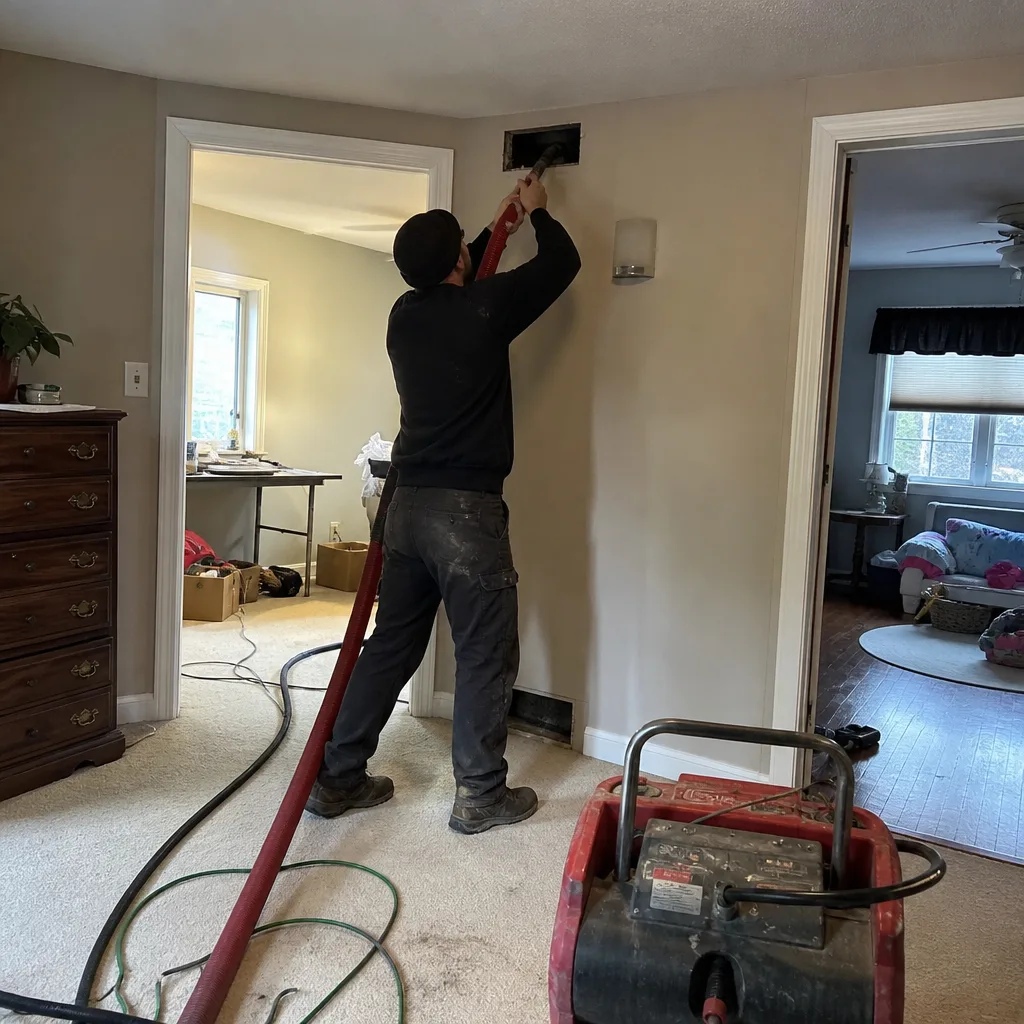
- Use brush agitation on the interior liner to dislodge stuck-on residue, not just a pass of air.
- Clean the trunk and each branch individually, then remeasure airflow at the registers to confirm improvement.
- Repair any disconnected or leaking joints found during the process.
Abatement Technologies equipment sits in our brand lineup because it brings compliance-grade filtration to residential work. Whole-home air quality brands like Abatement and Honeywell matter when the goal is capturing fine particulate, not just knocking loose dust off the walls.
A Month-by-Month Action Calendar for Zone 6
Manchester sits in climate zone 6, which means long heating seasons and short, humid summers. A generic national calendar doesn’t reflect that schedule. Here’s the calendar that does, mapped to the actual conditions inside a Manchester home:
- January: Watch for cold-room complaints and drafty registers. Note any rooms that never quite warm up; they often point to a duct leak or a compressed flex run.
- February: Check for damp or musty smell when the furnace runs. If you find it, a camera inspection is worth scheduling before spring.
- March: The heating system starts cycling less. This is the best month for a camera assessment because the system is quiet and residue has settled.
- April: Book the spring inspection and cleaning if the camera work showed buildup. Ask the technician to check returns for pollen infiltration and sealing.
- May: Seal any return plenums and check for disconnected runs found during the spring assessment.
- June: Before the AC runs heavily, confirm the condensate pan and drain line are clear. If you smell the first-cool musty odor, address it before the system runs continuously.
- July: Check registers for the musty smell. If it’s present at every register, you’re likely dealing with a cooling-side moisture issue rather than duct buildup.
- August: Same check as July, and note whether the dryer vent needs a cleaning if you’re seeing long dry times.
- September: Book the fall cleaning. In Manchester, this is the prime month to get on the schedule before heating season.
- October: Confirm the fall cleaning is done and the furnace is running clean. Check for odors at the registers when the heat first comes on.
- November: Complete any duct repairs identified in September and October before the system runs continuously.
- December: Monitor for winter symptoms (cold rooms, damp smell, longer runtimes). If they appear, the next open slot for an inspection is early in the new year.
This is the same calendar our technicians use when they’re assessing a Manchester home. If you’re in a nearby community, the sequencing is close to identical; our Suncook page covers how the local housing stock shifts the emphasis.
Repair vs. Clean: Knowing Which Your System Needs
Not every duct problem is a cleaning problem. Cleaning removes accumulation. Repair addresses the physical failure that allowed the accumulation to concentrate in the first place. When you find a disconnected run, a crushed flex section, or a return joint that’s pulling air from a crawlspace, the fix is repair, and cleaning a broken system only partially solves it.
Common signs you’re looking at repair rather than cleaning:
- One register has noticeably less airflow than the others, and it’s been that way for a while.
- You can see a separated joint, a kink, or a crushed run in a crawlspace or attic.
- A room never gets comfortable no matter what the thermostat is set to.
- You can feel air moving at a duct joint, or a return pulls from an unexpected space.
- You smell something specific only when the system is running and only near one area of the house.
Our air duct cleaning service pairs with repair on the same visit. That’s not a marketing distinction; it’s practical. A technician with Rotobrush or Nikro equipment and repair capability can see the problem, clean around it, and fix it without scheduling a separate contractor. Guardsman protective products come into play on the repair side too, because sealing a joint or treating a duct surface is part of finishing the job correctly.
Professional-grade equipment matters on the repair side as well. Camera inspection, brush agitation, and negative air pressure all come from the same toolkit. On the cleaning side, see our dryer vent cleaning page for how the same approach applies to lint removal.
Common Mistakes to Avoid
- Cleaning once a year and calling it done. A single annual cleaning doesn’t account for the four stress periods we’ve covered in this guide. You’ll miss the winter joint compression, the spring pollen load, the summer moisture, and the fall combustion byproduct window. Each requires attention at a different time.
- Treating duct cleaning as a dust removal job only. If your technician has no camera and no repair capability, they’re cleaning what they can see, and they’re leaving disconnected runs untouched. That’s not a full-system clean.
- Ignoring the musty smell in June. Homeowners in Manchester often assume the smell is “just the AC starting up” and wait it out. That smell usually indicates moisture near the cooling coil or condensate pan, and it won’t resolve once the system runs. It usually gets worse.
- Skipping the fall cleaning window. October and November are the ideal months to clean before heating season. Waiting until December or January means a month or more of recirculated residue before the cleaning happens.
- Assuming new construction is clean. Construction debris, sawdust, and drywall dust settle in new duct systems during the build. A new home in Manchester that was built in the last couple of years often needs a post-construction cleaning.
- Forgetting the dryer vent. Lint buildup is a real fire hazard, and long dry times are the early signal. If your dryer takes two cycles to dry a normal load, the vent needs cleaning, not the dryer.
- Hiring on price alone. A very low cleaning quote often reflects a pass of air and a shop vac, not brush agitation and negative air pressure. Consumer-grade equipment doesn’t dislodge stuck-on residue the way a professional system does, and the shortcuts don’t show up in the price.
When to Call a Professional
Some duct issues are homeowner-level checks: you can look at a crawlspace run for visible damage, notice a musty smell, or watch your heating bill for a sudden rise. Others genuinely warrant a trained technician. Call when you find a disconnected or crushed duct run, when a room won’t heat or cool even after dampers and registers are checked, when you smell mustiness specifically when the cooling system runs, when your dryer takes two cycles to dry a normal load, or when it’s been long enough that you can’t remember the last cleaning. Grafton Air Duct Cleaning offers free estimates in Manchester – call (833) 865-1627. We answer 24/7. Fast dispatch from 7am to 7pm, Sunday through Friday. Our technicians use Rotobrush and Nikro equipment and can fix a duct system, not just clean it.
Frequently Asked Questions
Most Manchester homes do well with a cleaning in the fall and a camera assessment in the spring, which works out to one cleaning and one inspection per year in the routine case. Homes with pets, recent renovations, allergy-sensitive occupants, or a history of moisture issues often need it more often. The seasonal calendar in this guide is built for Manchester’s specific climate patterns, so it accounts for both the heating-heavy winter and the humid summer rather than assuming a single dominant season.
A musty smell at the start of cooling season usually points to moisture somewhere in the cooling system, most often near the evaporator coil or the condensate pan, rather than to dirty ducts in the ordinary sense. When the pan or drain line doesn’t clear properly, water sits, and that’s the condition that produces the smell. A technician can inspect the coil and pan through the access panel and check whether the duct run itself shows moisture damage. It’s a diagnostic step first, not a cleaning step.
Yes, fall is the dominant cleaning window in New Hampshire, and the reason is technical: cleaning in October or November clears accumulation before the heating system runs continuously through the winter. If you clean in winter, whatever was inside the system has already been recirculating through your home. The fall window also clears the biological residue from the humid summer and gets the system ready for the long heating season.
Sometimes, but not always. If the cold room is caused by a disconnected joint, a crushed flex run, or a leaky return, cleaning alone won’t fix it. That’s a repair issue, and it’s why we offer Air Duct Repair as a separate service alongside cleaning. If the cold room is caused by heavy accumulation restricting airflow, a thorough cleaning may help. The camera assessment tells you which problem you have before you spend money on the wrong fix.
We clean dryer vents as a dedicated service, separate from duct cleaning. Lint buildup in a dryer vent is a real fire hazard, and long dry times are the early signal. Cleaning the vent is a systematic job like duct cleaning: agitation, extraction, and confirmation that airflow is restored. If your dryer takes two cycles to dry a normal load, the vent is the first thing to check.
We use professional-grade equipment from Rotobrush and Nikro, both used by trained technicians in HVAC and restoration work, along with Abatement Technologies filtration for compliance-grade particulate capture. It matters because consumer-grade shop vacs and generic blowers don’t dislodge stuck-on residue from the duct liner the way brush agitation and negative air pressure do. The difference shows up in what the inside of your ducts looks like after the job, not in the price.
The Bottom Line
Air duct care in Manchester is a four-season job, not a single annual event. Treat winter as a compression and condensation period, spring as your camera-assessment window, summer as a moisture watch, and fall as the primary cleaning window before the heating system runs continuously. Our technicians have up to experience with New Hampshire duct systems and use Rotobrush and Nikro equipment with Abatement Technologies filtration. If you want to build the right seasonal routine for your specific home, call (833) 865-1627. We answer 24/7. Fast dispatch from 7am to 7pm, Sunday through Friday. Estimates are free.
Written by the team at Grafton Air Duct Cleaning.
See the difference
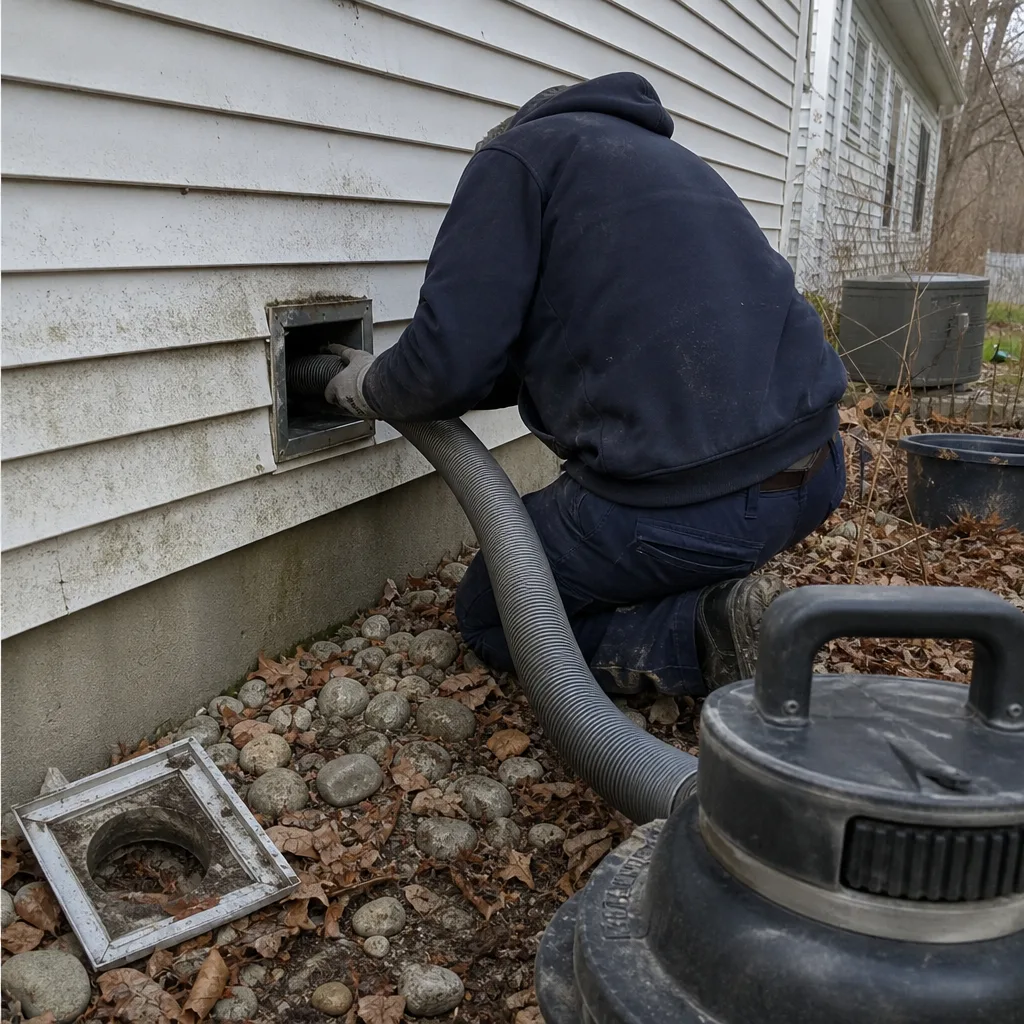 Before
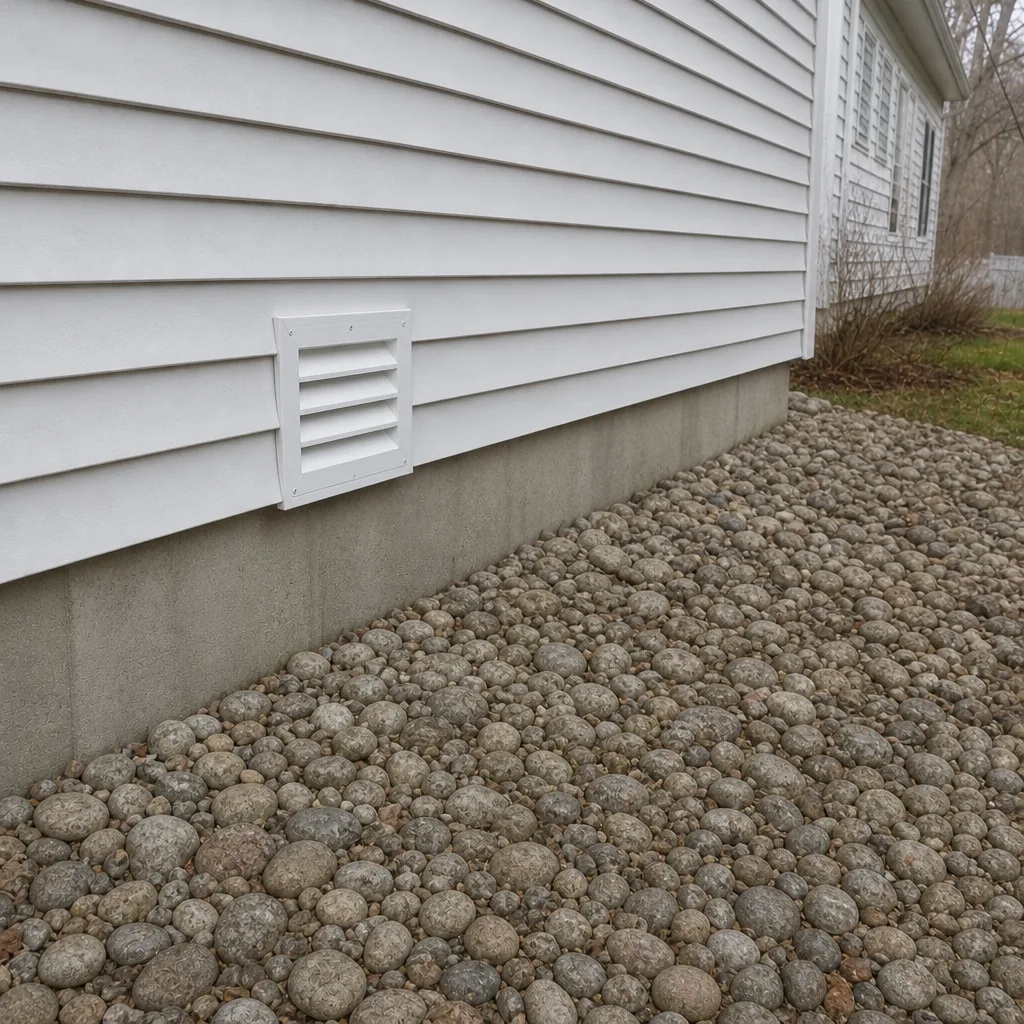 After
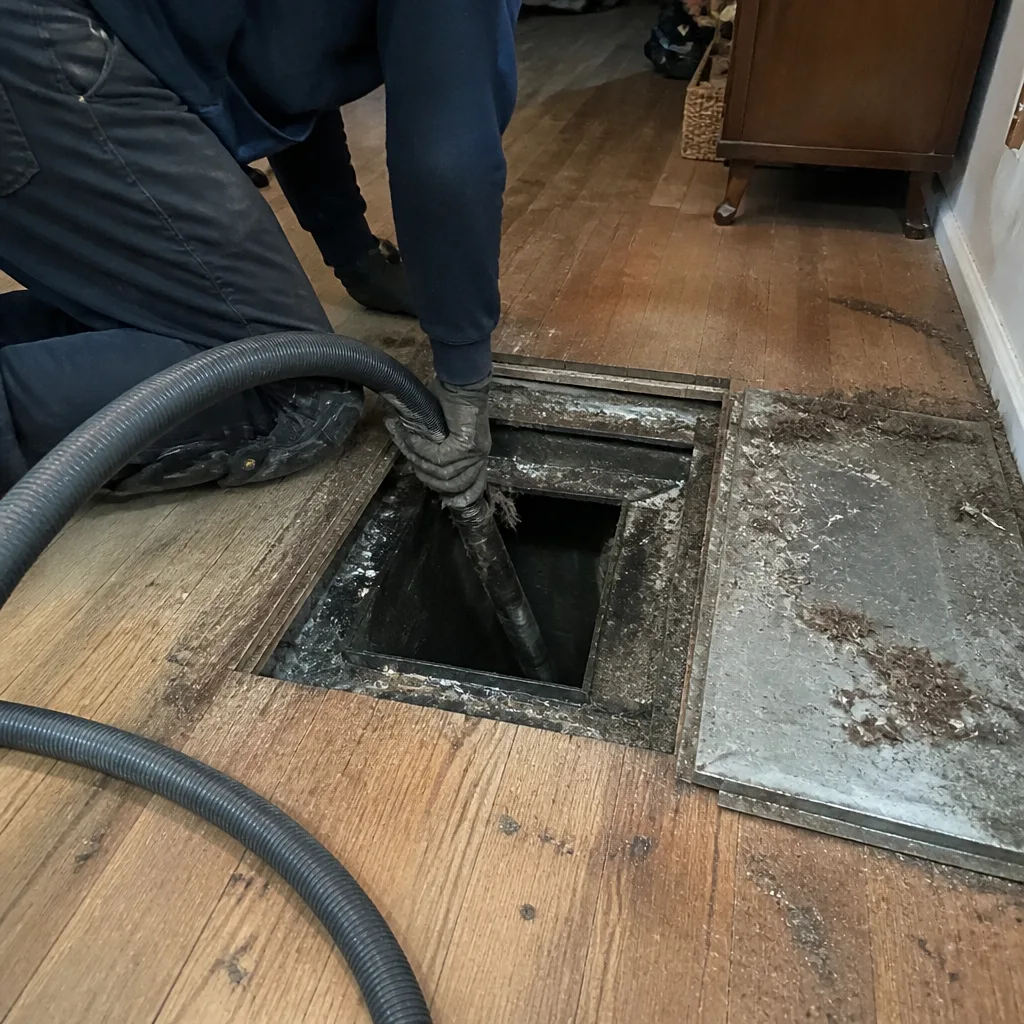 Before
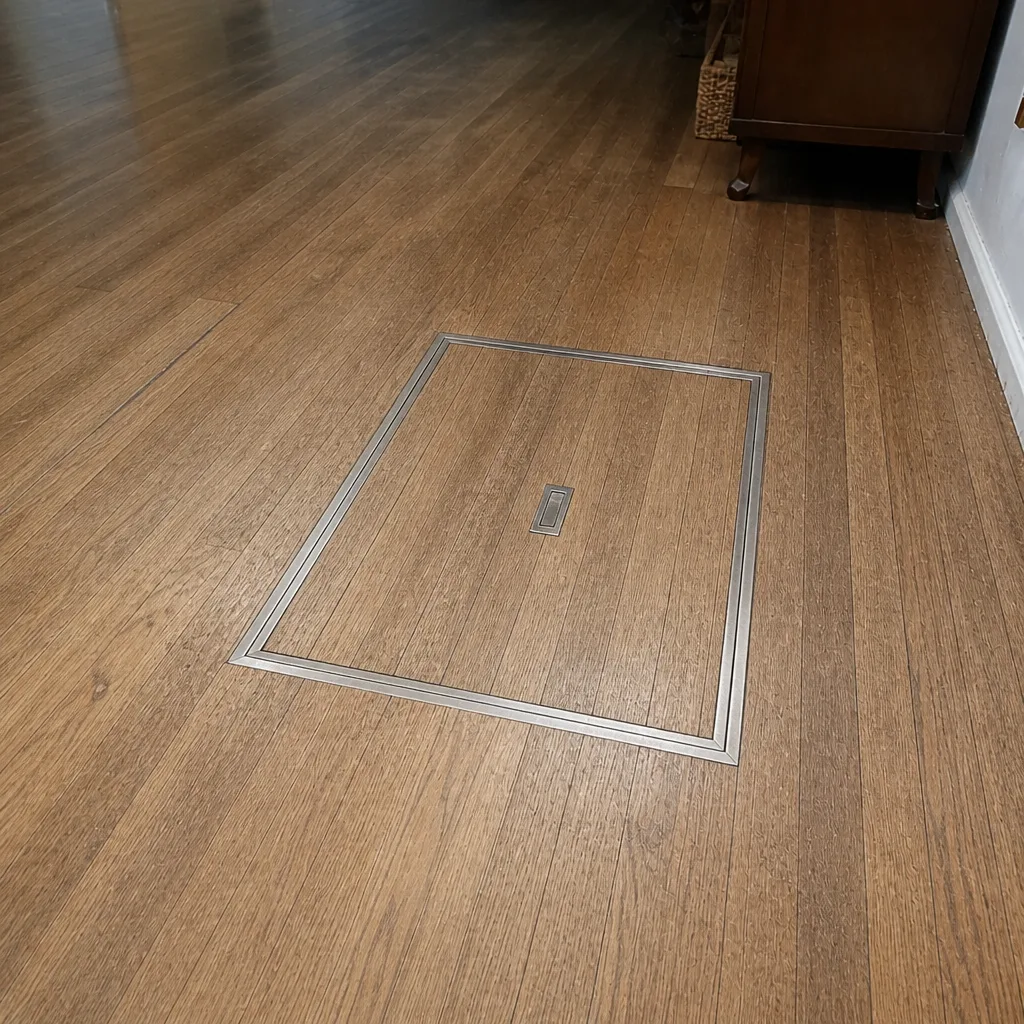 After
 Before
 After