
Last updated November 15, 2026
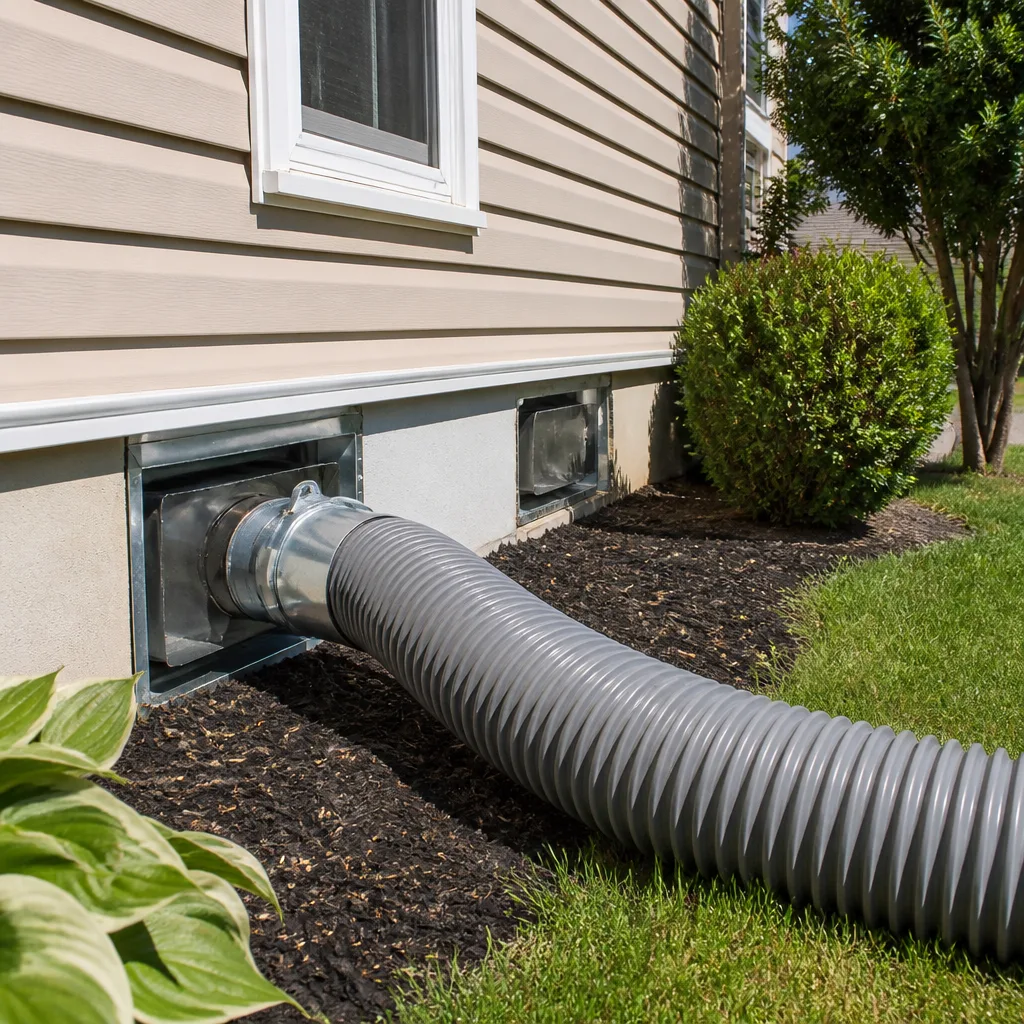 Whole-home duct cleaning
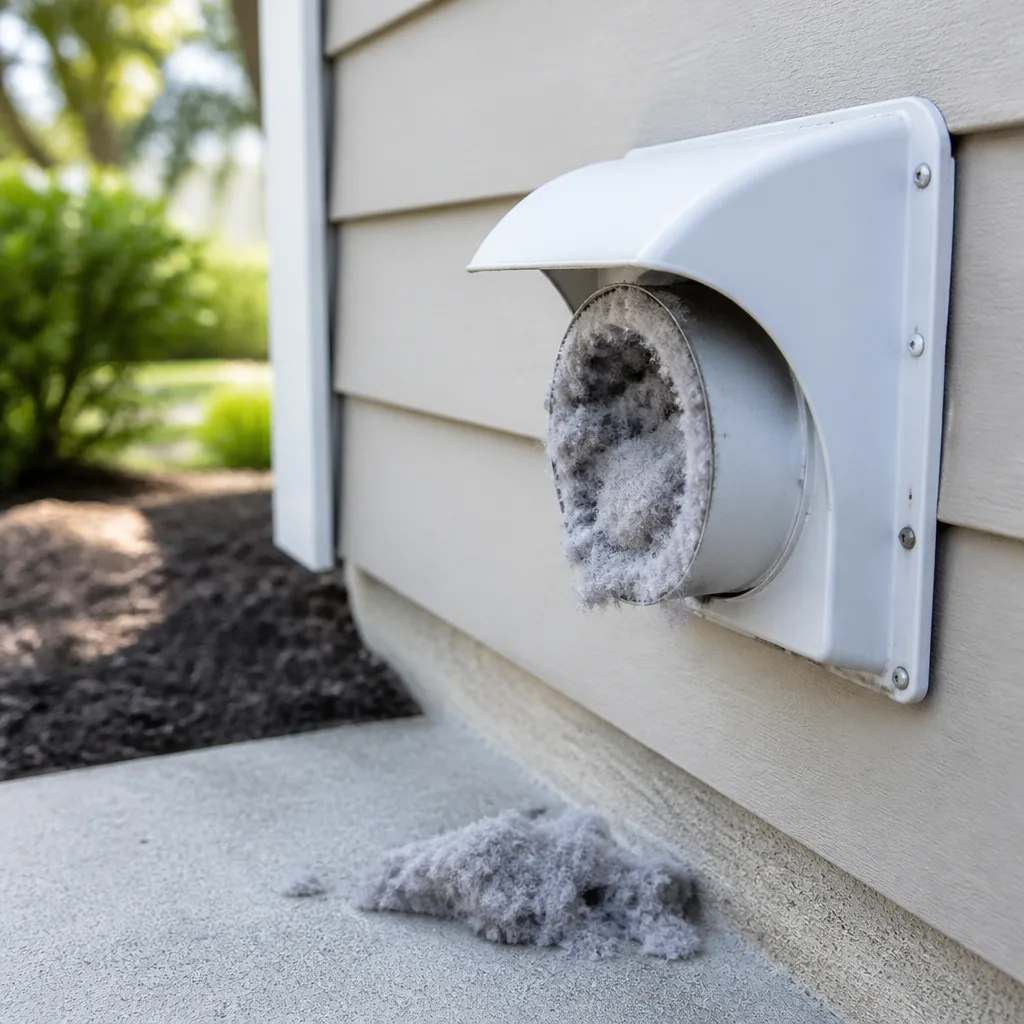 Dryer vent cleaning
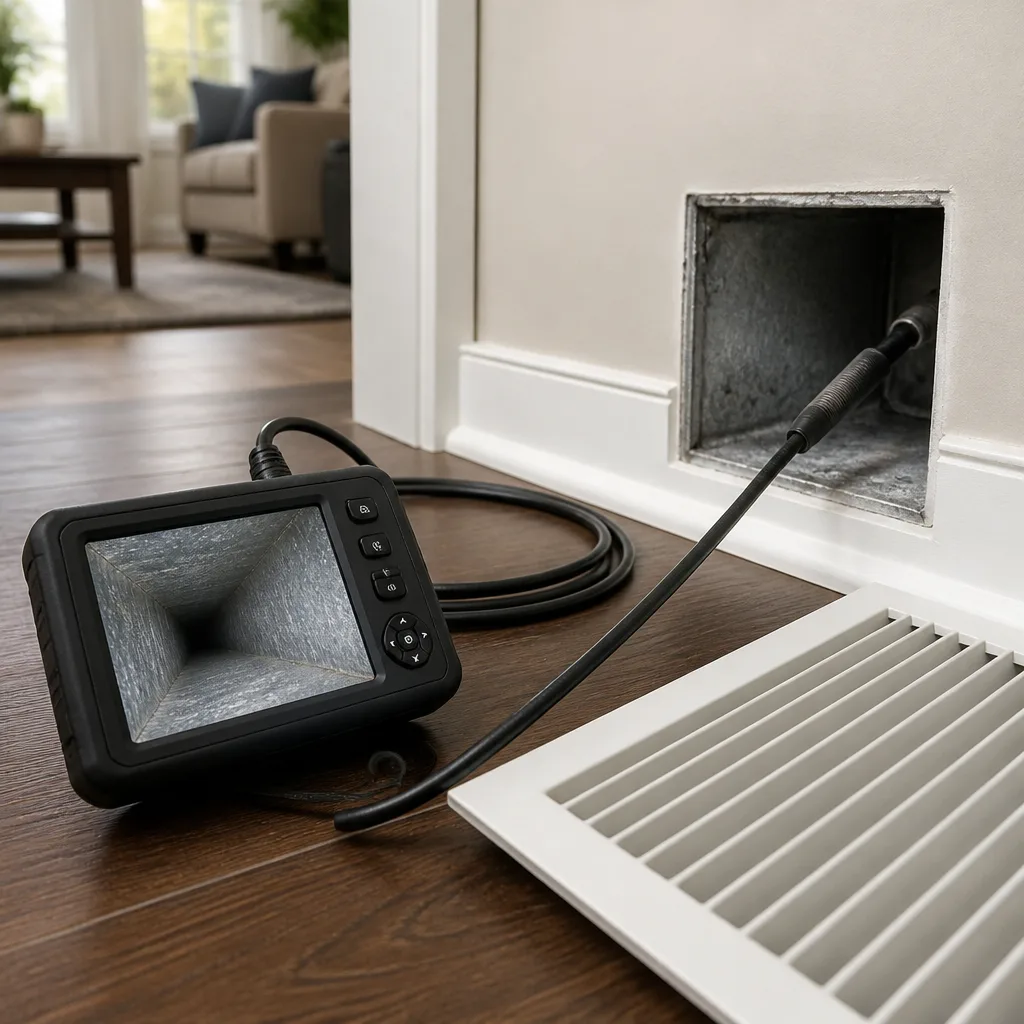 Camera inspection
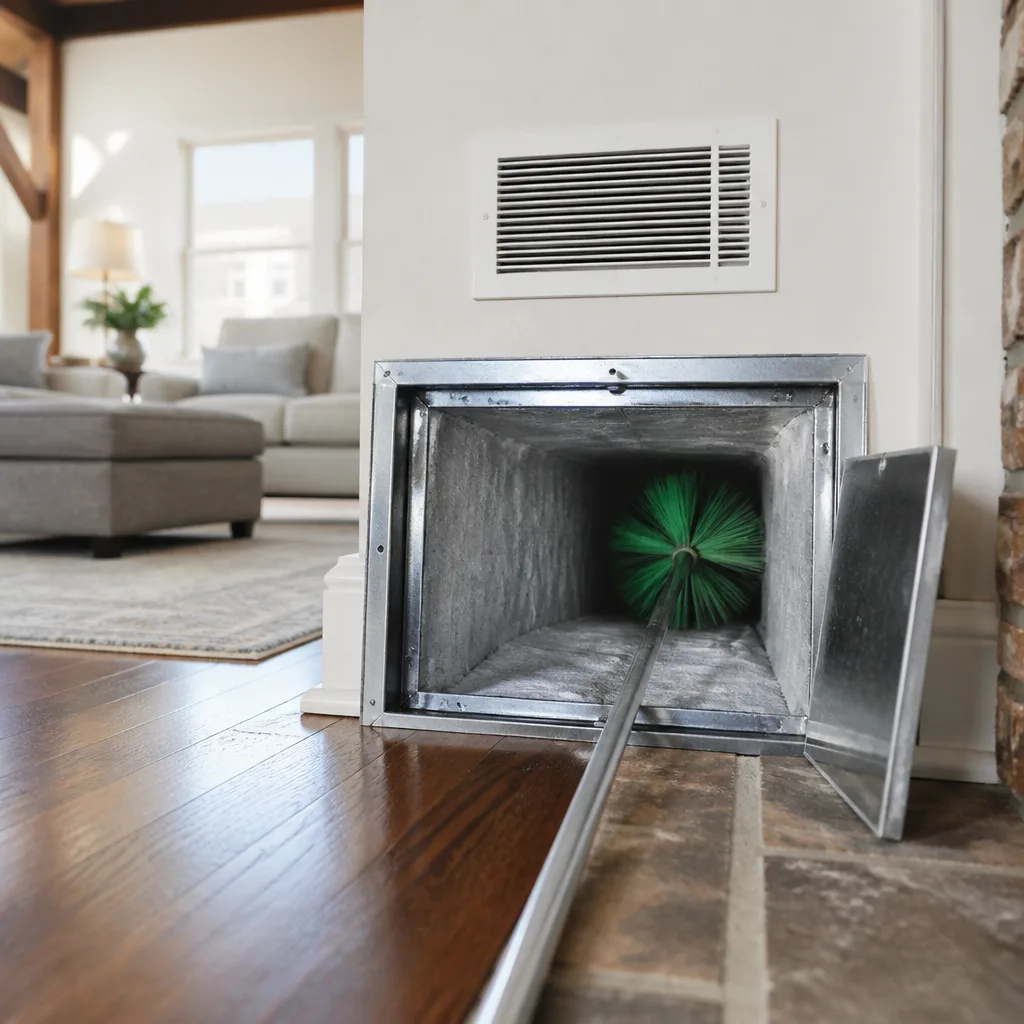 Sanitizing & deodorizing
Whole-system duct and dryer vent check with before-and-after photos - you see exactly what came out of your vents
That "$99 whole-house special" is a bait ad - the real number appears once they are in your hallway, or the "clean" is a shop-vac at the register. We photograph the inside of your ducts before and after instead.
Air Duct Cleaning Maintenance Checklist for Manchester Homeowners
The EPA does not recommend a fixed duct cleaning interval. Yet nearly every company in this trade pushes a three-to-five-year schedule no matter what kind of system you have, how hard you run it, or what’s floating in the air of your house. That number is a sales heuristic, not a maintenance standard. What actually tells you when your ducts need attention is evidence: a filter loading early, a supply register with weak throw, a visible dust line at the grille edge. This guide gives you a room-by-room checklist you can perform yourself, ties it to specific events that hit ductwork in Manchester, and shows you which tasks belong to you and which need professional equipment.
Quick Answer
Check your ductwork using observable signals rather than a calendar: filter loading speed, register airflow feel, dust lines at grille edges, and visible debris near the return. Inspect after every major trigger event (renovation, new pet, a no-heat stretch, humid weather), log what you find, and call for professional cleaning when multiple indicators stack up. Air duct cleaning in Manchester is a diagnostic job, not a routine one, so let your equipment tell you when it’s due.
Styles & brands we work with
- Whole-home duct cleaning
- Dryer vent cleaning
- Camera inspection
- Sanitizing & deodorizing
Table of Contents
- Why Fixed Cleaning Intervals Don’t Hold Up
- Room-by-Room Inspection Checklist
- Your Filter Is the Leading Indicator
- Trigger Events That Call for a Check
- Tasks You Own vs. Tasks That Need Equipment
- Build a Duct System Log
- Cleaning vs. Repair: Knowing the Difference
- The Dryer Vent Belongs on This Checklist Too
Why Fixed Cleaning Intervals Don’t Hold Up
A duct system’s condition depends on a set of variables that no schedule can guess: how much outdoor air your home draws in, how many filters you run, whether you have pets, how much construction dust your house has absorbed, and how well your ducts were sealed when they were installed. Two homes on the same Manchester street can need very different levels of attention. One may run a tight, well-sealed system with a good filter and need very little. The next may have disconnected runs behind the drywall and pull attic or crawlspace air into every bedroom.
That’s the problem with a fixed interval. It replaces observation with a marketing rhythm. When a company tells you to clean on a set schedule regardless of your system, they’re not reading your house; they’re reading a calendar. We’d rather you learn to read your own system. It takes a few minutes a season and a simple log, and it gives you a defensible reason to call, or to wait.
The useful question isn’t “When is my next cleaning?” It’s “What has changed in my system since last time I looked?” Dust loading, airflow, visible debris, and filter behavior each answer part of that. When several point the same direction, you have data. When none do, you can leave the ducts alone and put the money toward the filter swap you actually need. Here in Manchester, the seasonal swings make this approach especially worthwhile. A system that runs heat hard through a cold winter and then moves straight into a humid summer will show different signals than one that sits mostly idle.
Room-by-Room Inspection Checklist
You can inspect most of your duct system without tools, just by walking room to room with a flashlight and a notebook. Do this at the start of the heating season and again as cooling season begins. The goal is not to judge whether your ducts are “dirty” in the abstract, but to spot changes from what you saw last time.
- Supply airflow feel. Hold your hand at each supply register. Air should feel steady and strong. Note any room where it feels weaker than the others. Weak throw often signals a leak, a disconnected run, or a damper partly closed.
- Dust line at the grille edge. Look where the metal grille meets the drywall or the duct boot. A faint haze is normal. A distinct dark line, or dust hanging on the louver faces, tells you debris is moving through that run.
- Visible debris inside the register. Carefully remove a register in a central room and look inside the boot with a flashlight. You’re checking for settled dust, lint, pet hair, or construction grit, not for a specific depth.
- Dust accumulation pattern on supply vents. Compare vents across the house. If one or two rooms are consistently dustier than the rest, the supply serving those rooms is the one to investigate.
- Return grille condition. Return grilles pull air back to the air handler and often collect the most visible dust. Check whether the grille face and the first stretch of duct behind it look loaded.
- Musty or stale odor. Note any room that smells stale when the system first runs. Odor is a signal worth logging, especially in a basement or a room over a crawlspace.
Write down what you find, room by room. The pattern over two or three inspections is far more useful than a single snapshot. If you’re not comfortable removing a grille, leave it in place and note airflow and dust lines only. Our air duct cleaning service starts with the same walkthrough, with the equipment to see deeper into every run.
Your Filter Is the Leading Indicator
Your air filter is the single best readout of how much particulate your duct system is handling. A filter that loads in weeks rather than months is telling you something: either your home is generating more dust than usual, or the ducts upstream are releasing debris back into the airstream. Either way, filter behavior is upstream intelligence you can watch without opening a duct.
Here’s how to read it. Note the date you install a fresh filter, and check it on the same day each month. When the filter face is visibly gray across most of its surface, or you can’t see light through it against a lamp, it’s loading early. Compare this month’s interval to last time. A shortening interval, filter after filter, is a reliable sign of rising particle load in the ductwork.
- Loading fast, but the house is normal. Suspect duct debris or a leak pulling unfiltered air in after the filter.
- Loading normally, but rooms still dusty. Suspect a supply leak near those rooms or an unsealed boot.
- Filter clean, but airflow weak. Suspect a restricted return, a blocked run, or a damper issue rather than duct debris.
- Sudden change after a project or a pet. Tie it to the event, not to a cleaning schedule.
Use a filter rated for your system; an over-restrictive filter can strain airflow and disguise the very signal you’re trying to read. When you’re ready to have the ducts themselves assessed, professional-grade cleaning equipment such as the Rotobrush and Nikro systems we work with lets a technician see and clear what a filter can’t show you.
Trigger Events That Call for a Check
Between your regular seasonal walkthroughs, certain events in a home should prompt an inspection regardless of when you last cleaned. In Manchester, the climate and housing stock add a few triggers that don’t show up in generic checklists.
- Post-renovation. Drywall dust, sawdust, and insulation fibers settle into ducts and get pulled through the system the moment you run the air. Check every register after a remodel, even a small one.
- A new pet. Pet hair and dander load a system quickly. Log the date and watch your filter interval over the next two months.
- A no-heat stretch in winter. When the furnace is off for repairs or an extended absence, air movement stops and debris settles. When the system comes back on, a burst of dust at the registers is expected; a continued heavy dust line is a sign to look further.
- High-humidity summer or any water intrusion. Damp conditions inside ducts encourage musty odors and microbial growth on settled organic dust. After any flooding or a long humid stretch, inspect basement and crawlspace runs first.
- New furnace or air handler install. A new system moving air through old ducts can loosen settled debris. Check the registers shortly after.
The pattern matters more than any single event. Two or three triggers stacking in one season is a stronger signal than any one on its own. For a nearby reference point on how we assess duct condition across homes in the area, see our Suncook area page, and note that our approach to triggers is the same whether the home is in Manchester or a surrounding town.
Tasks You Own vs. Tasks That Need Equipment
Knowing which tasks are yours and which require professional equipment keeps you from wasting effort, and it keeps you from missing what actually needs attention. The split is straightforward.
Tasks You Can Do
- Swap or clean your filter on a logged schedule.
- Wipe down register and return grille faces.
- Perform the room-by-room airflow and dust-line inspection.
- Do a visual check of the dryer vent exterior termination and the flexible transition behind the dryer.
- Keep a written log of dates, filter changes, and observations.
- Keep furniture and rugs clear of return grilles so airflow isn’t blocked.
Tasks That Require Professional Equipment
- Cleaning the interior surfaces of duct runs, which needs brush agitation and negative air pressure to dislodge and capture debris.
- HEPA filtration to contain what’s removed so it doesn’t re-enter the house.
- Locating and diagnosing disconnected, crushed, or leaking runs behind walls and ceilings.
- Repairing compromised ducts after they’re found.
- Cleaning a dryer vent duct that runs through a wall or up through a roof.
The key distinction is capture. A shop vac or a consumer blower moves dust around without containing it; professional systems are built to agitate debris and pull it into controlled filtration. That’s why the interior cleaning sits on the professional side of the line. This is the split behind how we approach air duct cleaning: you own the signals, we own the equipment.
Build a Duct System Log
A log turns a one-time inspection into a trend line. When you can see how filter intervals and dust lines change over a year or two, you stop guessing and start predicting. It also gives any technician a real history to work from instead of a vague memory of “it’s been a while.”
Keep it simple. A notebook or a shared note on your phone works. The columns that matter:
- Date of each inspection and filter change.
- Filter interval since the previous change.
- Airflow notes for any register that felt weak.
- Dust line observations at grilles, especially any that changed.
- Trigger events since last entry: renovation, new pet, water intrusion, HVAC work.
- Action taken: filter swap, cleaning booked, repair noted.
After two or three entries a pattern emerges. Say your filter used to last three months and now needs changing at six weeks; that shortening is your cue to have the system looked at. Or your log shows one room has been consistently weak on airflow for a year, which points at a specific run rather than the whole system. When you call, sharing that log helps a technician target the right problem. For homeowners nearby, a similar approach works; see our dryer vent cleaning page for how the same logging discipline applies to a vent that runs at high heat.
Cleaning vs. Repair: Knowing the Difference
Cleaning a compromised duct system without fixing what’s broken is a partial job. Before any cleaning, the system should be checked for disconnected runs, crushed flex duct, torn joints, and leaks at boots and plenums. If those exist, the cleaning may clear debris while the leak keeps pulling in unfiltered air, and the problem comes right back.
Signs that you may have a repair issue rather than a cleaning issue:
- A room that never gets good airflow no matter what you do at the register.
- A sudden jump in dust after HVAC work or a renovation that doesn’t settle.
- Whistling, hissing, or a rush of sound at a grille or near the air handler.
- Visible gaps, crushed flex, or separated joints where a run is accessible.
- Filter loading much faster after a repair or install than before it.
That’s why we treat repair as a service line of its own. We repair ducts, not just clean them, which means a compromised run can be addressed in the same visit as the cleaning. If your log points to a specific room’s supply rather than the whole system, the fix is likely a repair, not a full cleaning. For the full scope of what we offer in the area, see the Grafton Air Duct Cleaning home page.
The Dryer Vent Belongs on This Checklist Too
A duct maintenance checklist that skips the dryer vent is missing one of the more important items in the house. Lint builds up inside the vent run over time, and when airflow through the vent is restricted, heat has nowhere to go. That’s the mechanism behind lint-related dryer fires, and it’s the reason we offer dryer vent cleaning as its own dedicated service rather than an add-on.
What you can check yourself: the flexible transition behind the dryer for kinks or crushing, the exterior termination for a stuck flapper or visible lint, and how long loads take to dry. If drying times are creeping up, or the exterior vent shows lint accumulating, the run needs professional cleaning. What you should not do is pull apart a vent that runs through a wall or a roof; the run has to be cleaned with proper equipment and reconnected correctly.
Put dryer vent inspection on your seasonal checklist alongside the duct walkthrough, and log it. For a fuller explanation of how the vent is cleaned and why drying time is the tell, our dryer vent cleaning page covers the process. In Manchester, homes with long or roof-terminated dryer runs benefit most from a regular check.
Common Mistakes to Avoid
- Cleaning on a fixed schedule instead of on evidence. A three-to-five-year rule ignores your system, your pets, and your renovation history. Let the signals drive the decision, not the calendar.
- Cleaning a leaking system and calling it done. If a run is disconnected or crushed, cleaning the rest of the ducts won’t fix the air going into that room. Check for repair issues first.
- Ignoring the filter log. Filter interval is the cheapest diagnostic you have. A shortening interval is worth investigating; tracking it takes a minute a month.
- Assuming a shop vac can clean ductwork. Consumer vacuums and blowers move dust around without HEPA capture. Professional systems agitate and contain; that’s the difference that matters in a Manchester home with allergy concerns.
- Forgetting the dryer vent. It’s part of the air system and a fire safety item. A long-neglected vent run is a bigger risk than dusty supply registers.
- Skipping the post-renovation inspection. Construction dust is the most common reason a system needs attention sooner than expected. Check every register after a project, even a small one.
- Not keeping a log. Without a written history, every decision is a guess. The trend line is what tells you to act.
See the difference
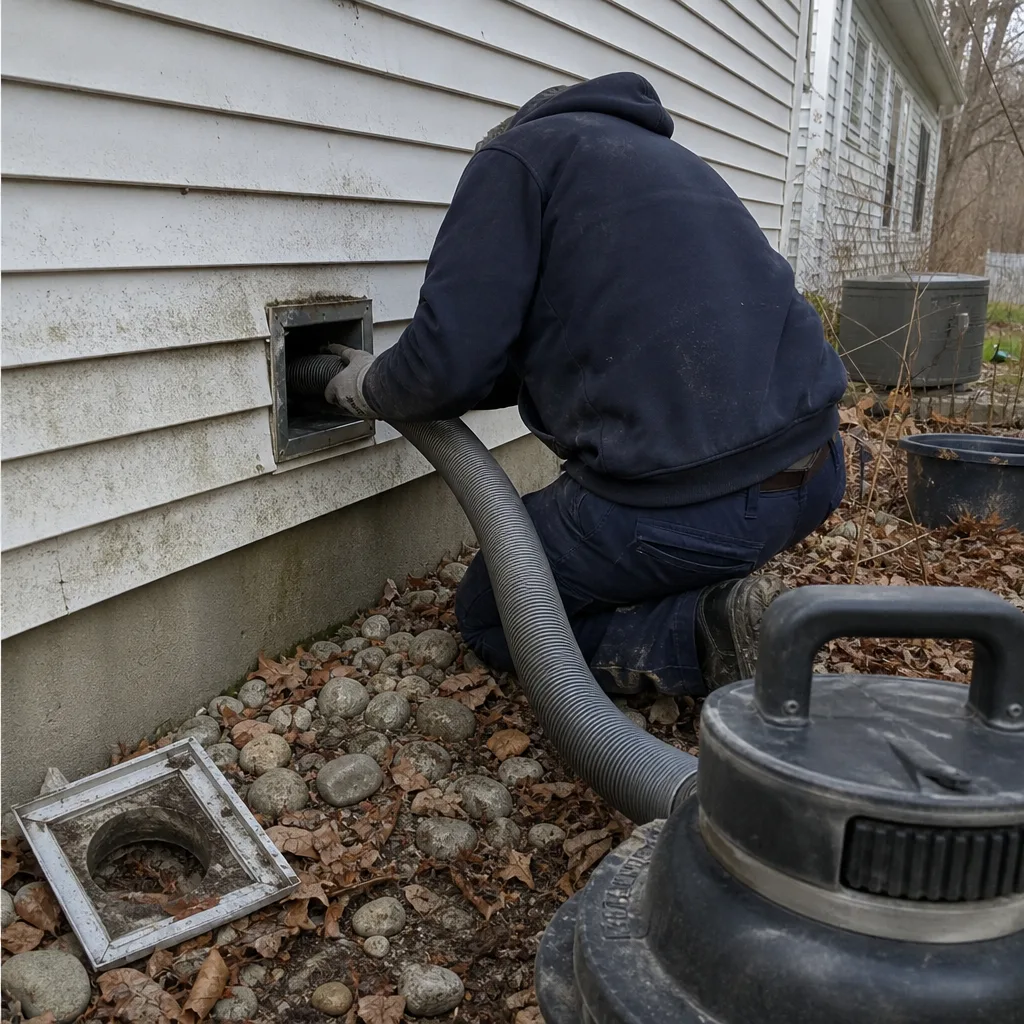 Before
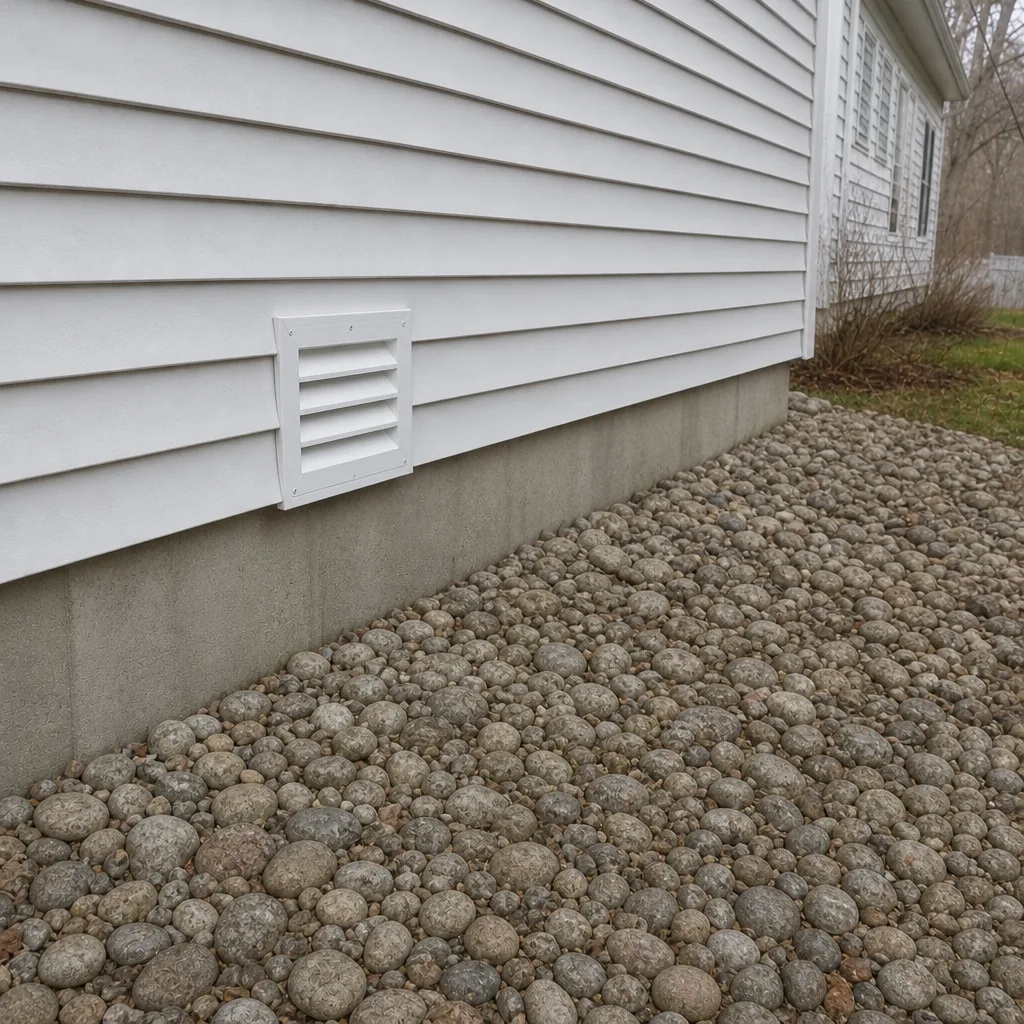 After
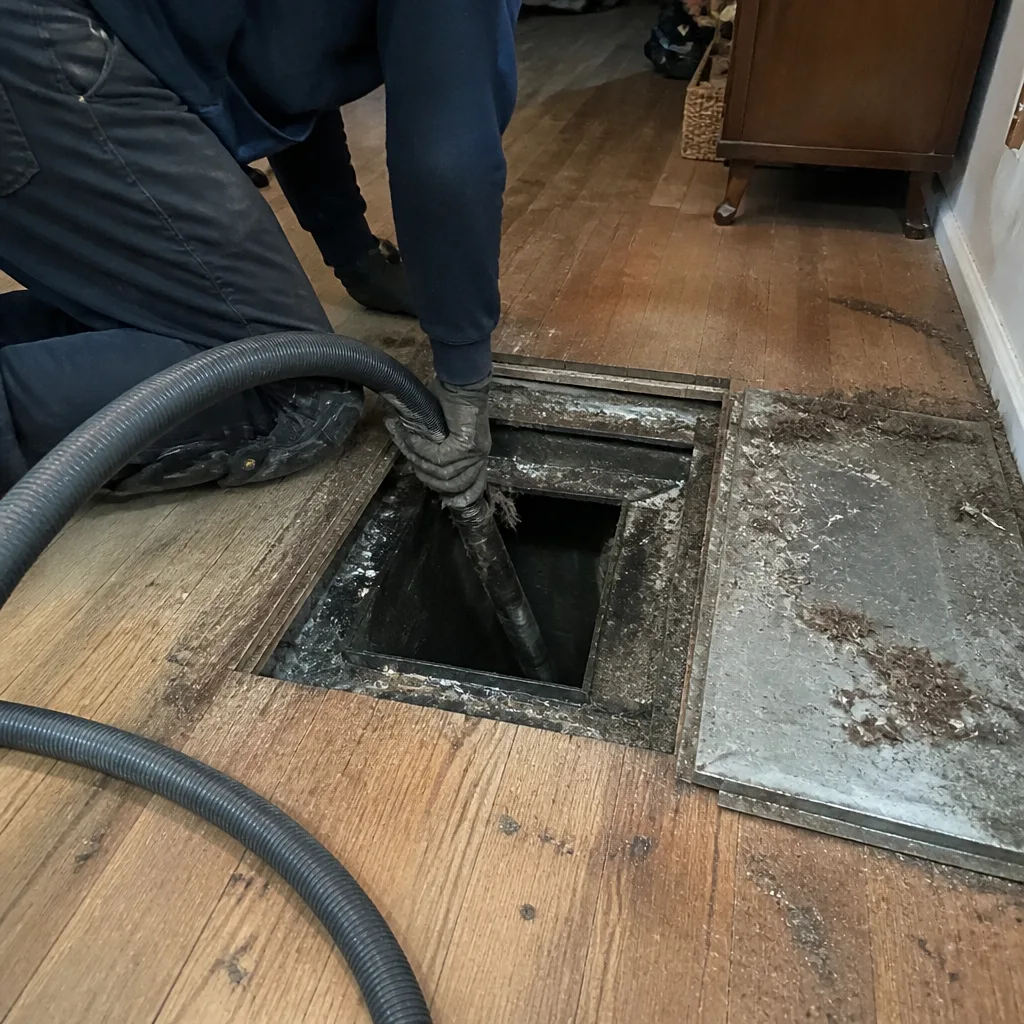 Before
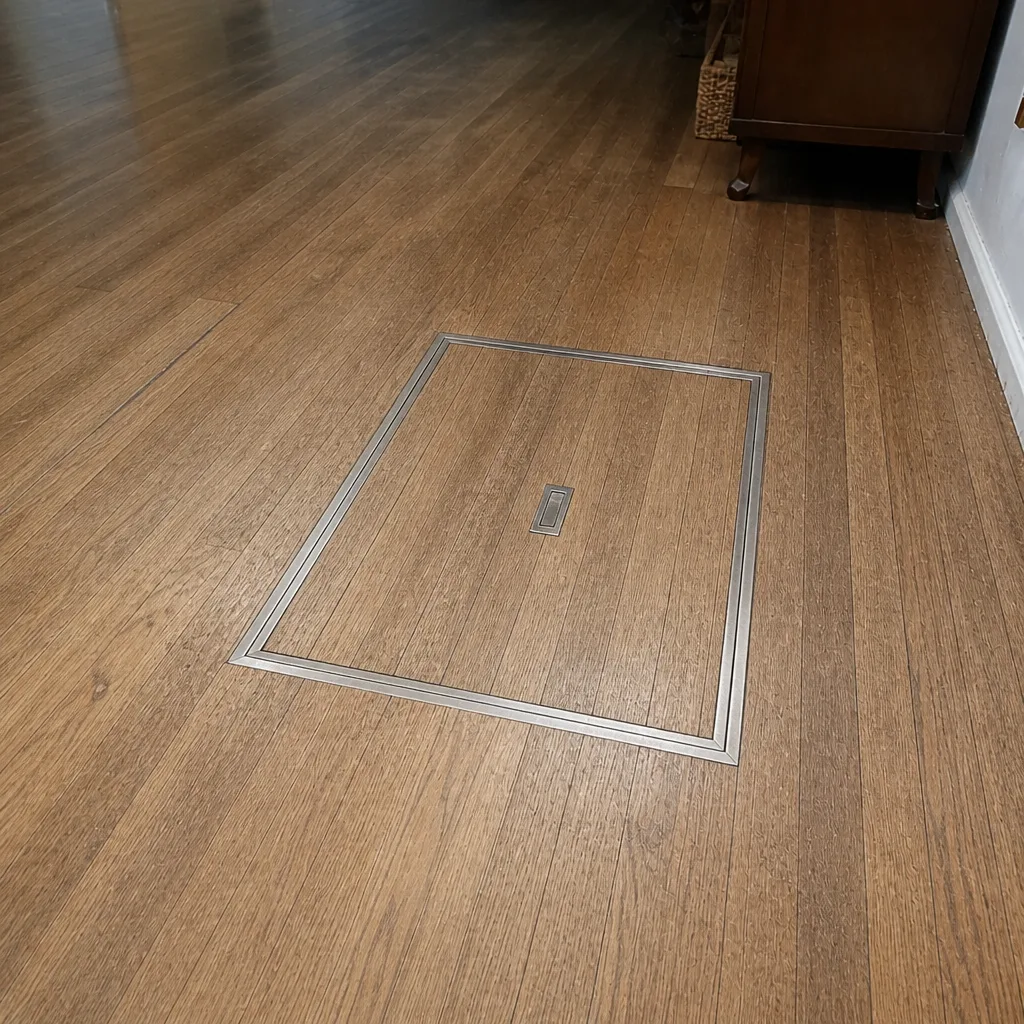 After
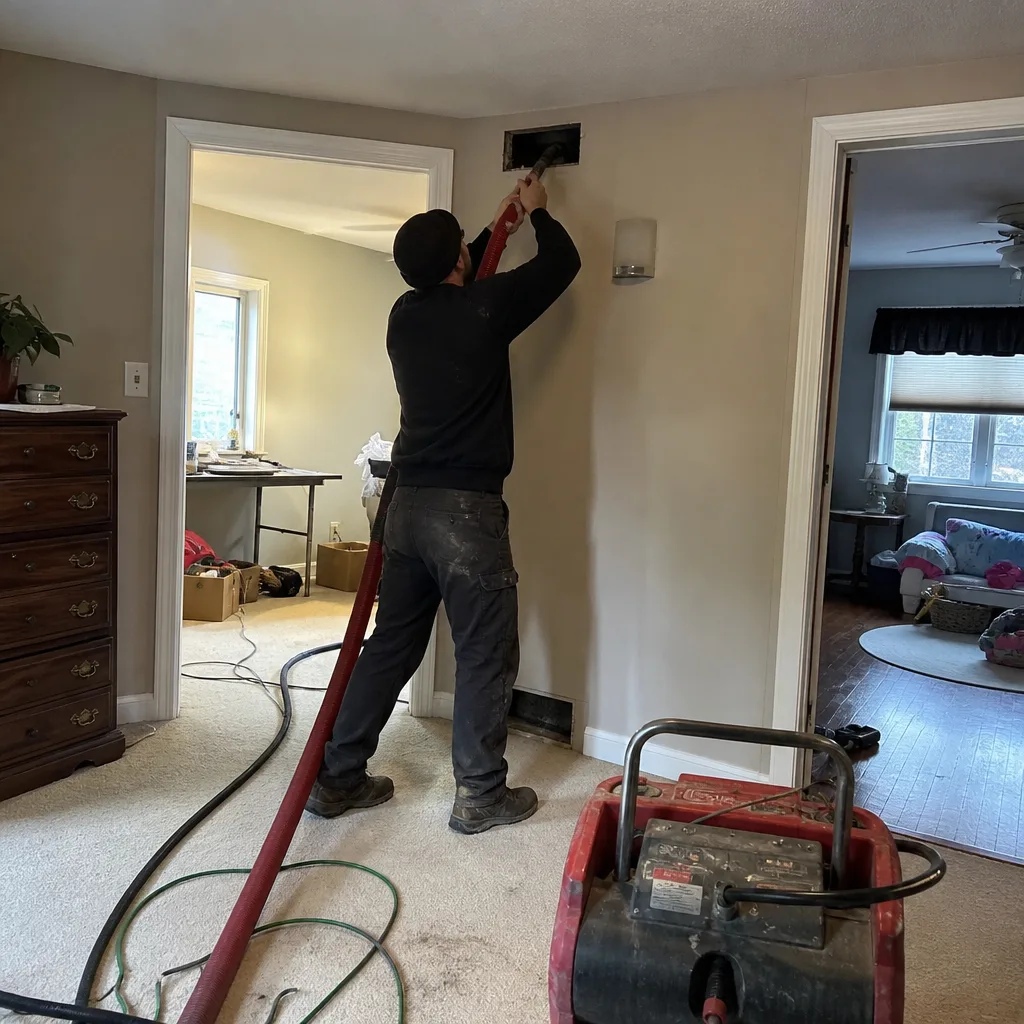 Before
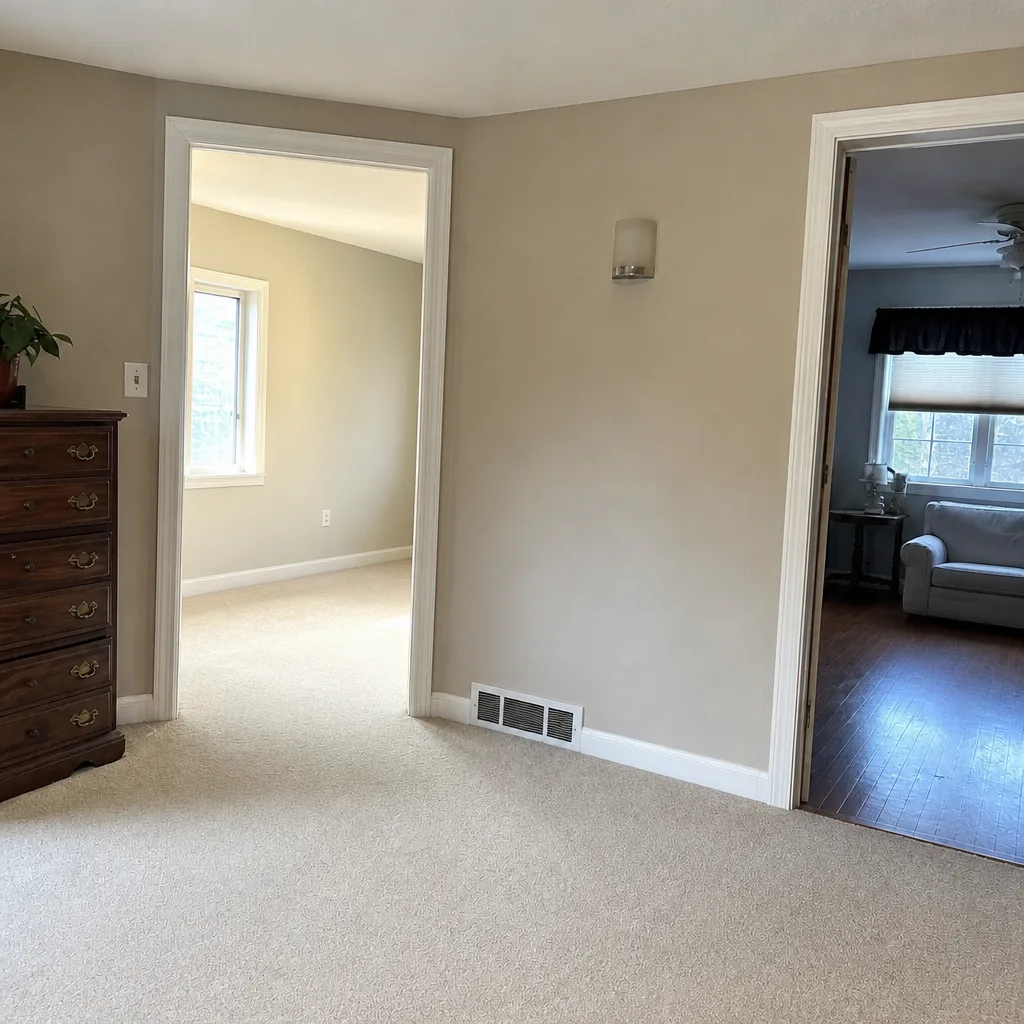 After
When to Call a Professional
Call a professional when your own inspection stops being conclusive: multiple indicators stacking up, a filter interval that never recovers, a room that stays weak on airflow, a visible dust line that keeps returning, a musty odor that persists, or a dryer that takes longer to dry load after load. Also call after any renovation, water intrusion, or a big change in your HVAC system, and any time you suspect a disconnected or leaking run. These are situations where equipment and diagnosis matter more than effort.
Grafton Air Duct Cleaning offers free estimates in Manchester. Call (833) 865-1627. We answer 24/7. Fast dispatch from 7am to 7pm, Sunday through Friday. Our technicians have up to experience, use professional Rotobrush and Nikro systems, and can repair ducts as well as clean them. Estimates are free, and the written estimate sets the final price before any work starts.
Frequently Asked Questions
There is no single correct interval. The EPA doesn’t recommend a fixed schedule, and a three-to-five-year rule ignores your system, pets, renovations, and filter behavior. Instead, inspect seasonally and let the signals decide: fast filter loading, weak register airflow, persistent dust lines, or musty odor each point to a cleaning. Call (833) 865-1627 for a free estimate so you can compare your observations against a technician’s read.
A maintenance check is your own walkthrough plus a filter and grille routine; a full cleaning uses professional equipment to agitate and capture debris inside the runs. Your tasks are the filter, the grille wipe, the visual inspection, and the log. Cleaning and any repair belong to a trained technician with brush agitation, negative air pressure, and HEPA filtration. Call (833) 865-1627 for a free estimate to see which your system needs.
Signs point to repair when one room stays weak on airflow despite a clean register, or when dust spikes after HVAC work or a renovation and never settles. Whistling, hissing, or visible gaps and crushed flex also suggest a compromised run. We repair ducts, not just clean them, so a technician can diagnose and fix in one visit. Call (833) 865-1627 for a free estimate and a walkthrough.
A shortening filter interval means particle load in the ductwork has risen. Construction dust, pet hair, and dander each load a system quickly, and a leak pulling unfiltered air in accelerates it. Log the date of the event and watch the next two filter changes. If the interval keeps shortening, have the ducts assessed. Call (833) 865-1627 for a free estimate.
Yes. Lint buildup restricts airflow and traps heat, which is the mechanism behind lint-related dryer fires. Rising drying times or visible lint at the exterior vent are signs the run needs cleaning. Long or roof-terminated runs benefit most from a regular check. Call (833) 865-1627 for a free estimate and we’ll assess the vent along with your ducts.
Yes. We provide air duct cleaning, dryer vent cleaning, and air duct repair to homeowners in Manchester and nearby area towns. Every visit starts with a diagnosis, not a hose down the vents, and any work is quoted before it starts. Call (833) 865-1627 for a free estimate. We answer 24/7. Fast dispatch from 7am to 7pm, Sunday through Friday.
The Bottom Line
Your duct system tells you when it needs attention, but only if you’re looking. Build the room-by-room inspection into your seasonal routine, watch your filter interval like a gauge, log trigger events, and put the dryer vent on the same checklist. The tasks you own (filter, grille wipe, visual, log) keep you informed; the tasks that need equipment (interior cleaning, HEPA capture, diagnosis, repair) are where a professional earns the call. In Manchester, the seasonal swings and the age of the housing stock make that evidence-based approach especially worthwhile. When the signals stack up, call (833) 865-1627. We answer 24/7, with fast dispatch from 7am to 7pm, Sunday through Friday, and estimates are free.
Written by the team at Grafton Air Duct Cleaning.