
Last updated November 15, 2026
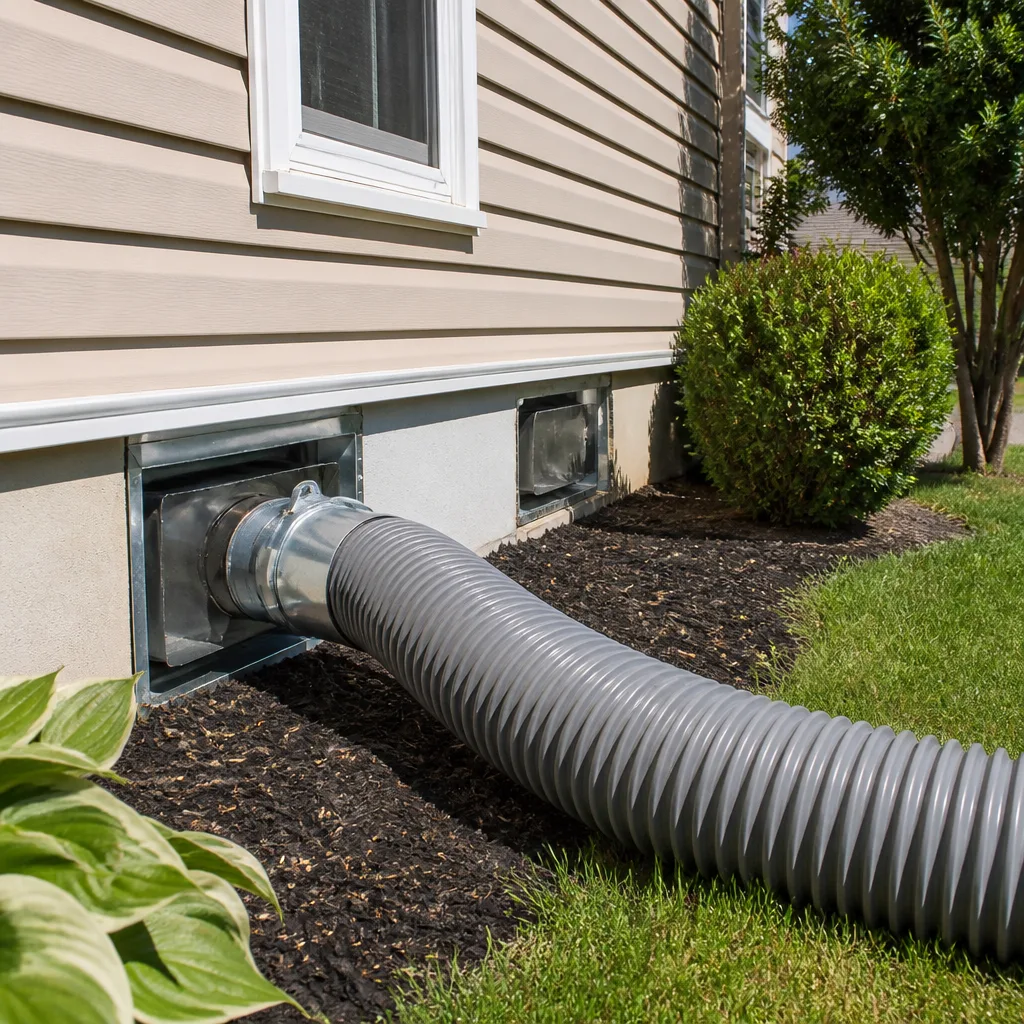 Whole-home duct cleaning
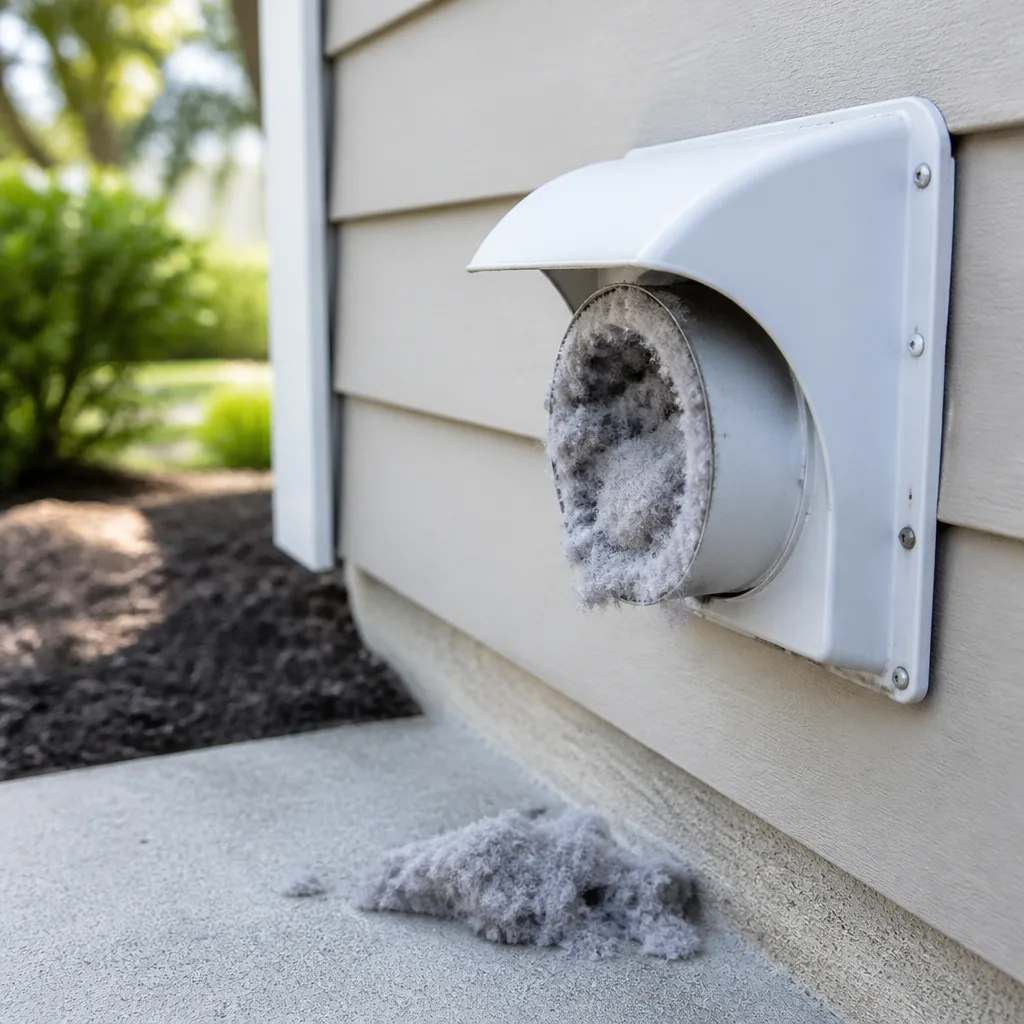 Dryer vent cleaning
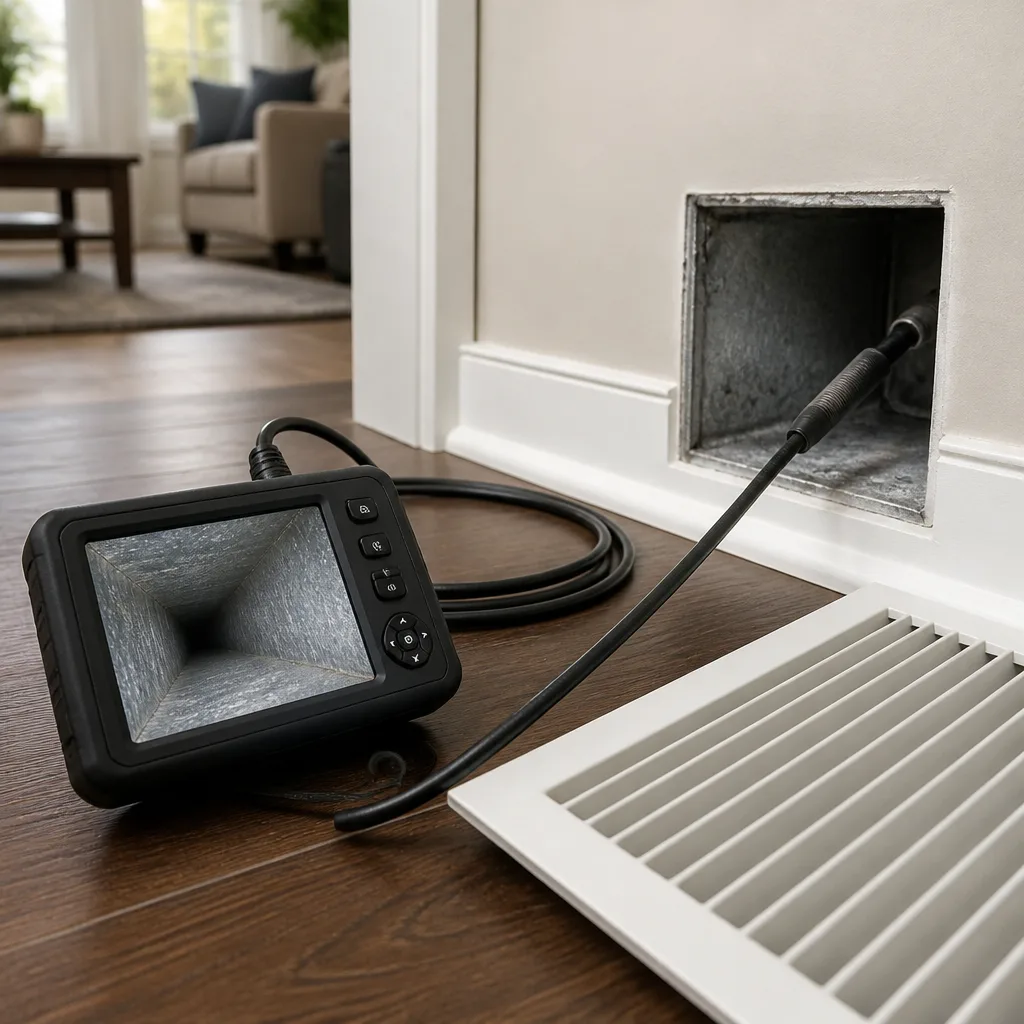 Camera inspection
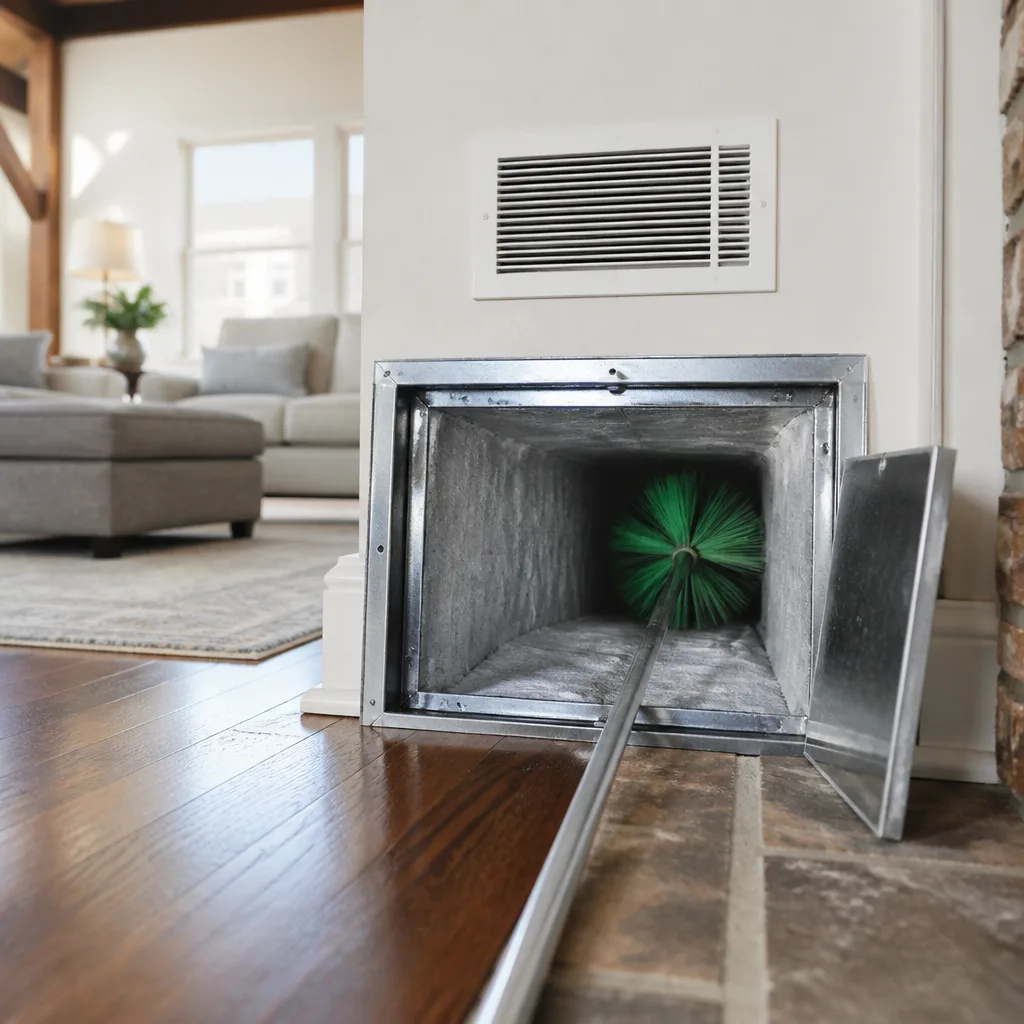 Sanitizing & deodorizing
Whole-system duct and dryer vent check with before-and-after photos - you see exactly what came out of your vents
That "$99 whole-house special" is a bait ad - the real number appears once they are in your hallway, or the "clean" is a shop-vac at the register. We photograph the inside of your ducts before and after instead.
Air Duct Cleaning Warning Signs: A Manchester Homeowner’s Reference Guide
By the time you can see dust blowing from a register, your filter has been overwhelmed for weeks and your system has been moving that load through every room in the house. The visible symptom is the last one to arrive, not the first. That’s the problem with most warning-sign checklists you’ll find online: they focus on what’s obvious long after the ducts needed attention. In this guide, we’re covering the quieter indicators, the mechanical and performance signals that show up in a Manchester home before the dust does: uneven airflow between rooms, a bill that creeps up instead of spiking, odd smells, noise at startup, and contamination after a renovation.
Quick Answer
The clearest early warning signs of a duct problem in Manchester are uneven airflow between rooms, a slowly rising energy bill, musty or dusty smells that persist after cleaning the filters, rattling or whistling at startup, and visible dust near registers. In most cases these indicate a blockage, a disconnected branch, or a leaking seam rather than simple dirt, so a proper inspection matters more than a quick blast of air.
Styles & brands we work with
- Whole-home duct cleaning
- Dryer vent cleaning
- Camera inspection
- Sanitizing & deodorizing
Table of Contents
- Why Uneven Airflow Is the First Sign You’ll Notice
- What a Slowly Rising Utility Bill Tells You About Your Ducts
- What the Smell Coming From Your Vents Actually Means
- After a Renovation: The Contamination Contractors Miss
- Noise at Startup: Rattling, Whistling, and Thumping
- Visible Dust and Other Late-Stage Signs
- Manchester-Specific Conditions That Speed Up Duct Problems
- A Simple Home Inspection You Can Do Without Tools
Why Uneven Airflow Is the First Sign You’ll Notice
In a healthy duct system, every room gets roughly its proportional share of conditioned air. When one room feels distinctly weaker, or one register barely moves air at all, that’s your earliest and most reliable indicator of a physical problem downstream. The cause is usually one of three things: a partially blocked duct, a flexible branch that’s disconnected or collapsed, or a damper that has drifted closed. None of these show up as dust. All of them force the rest of the system to work harder.
Here’s how to test for asymmetric airflow without any equipment:
- On a day the system is running steadily, hold the back of your hand a few inches from each supply register in your home.
- Note which registers feel strong, which feel weak, and which feel noticeably warmer or cooler than expected.
- Write down the room and the order of strength. This gives you a map of the imbalance.
- Check every return grille the same way. A weak return can starve the whole system.
- Repeat the test after the system has run for 20 minutes to confirm the pattern holds.
If a single room is consistently weaker while the rest of the house stays warm and even, the odds are good that a branch has come apart. That’s the kind of problem cleaning alone won’t fix. We repair ducts, not just clean them, which matters here because a disconnected supply line will keep wasting air no matter how thoroughly it’s cleaned. For homeowners in Manchester dealing with one cold room and a lot of conditioning effort going nowhere, that distinction is usually the whole answer.
What a Slowly Rising Utility Bill Tells You About Your Ducts
A bill that climbs steadily over a few months, without a dramatic spike, is one of the most overlooked indicators of duct leakage and gradual system degradation. The reason it’s slow is that leaks worsen gradually: a seam opens a little more each season, a connection loosens, and the escaping air adds a small load at first and then more. You don’t notice a spike because there isn’t one. You notice after comparing two or three years of the same month.
What to look for:
- A seasonal bill that’s meaningfully higher than the same month last year without a change in rates.
- A bill that remains high after you change filters on schedule.
- Comfort issues matching the bill: rooms that don’t hold temperature as well as they used to.
- A furnace or air handler that runs longer than it visibly used to for the same setpoint.
Duct leakage isn’t the only possible cause, obviously. Insulation, a failing blower, and thermostat drift all matter. But if the heat feels fine in the rooms closest to the furnace and weaker in the rooms at the end of the run, leakage or a partially disconnected branch rises to the top of the list. That’s the pattern we see most often in older Manchester homes where ductwork has been modified over the years without an overall design being kept in mind.
What the Smell Coming From Your Vents Actually Means
Different smells point to different problems, and treating them all as “dirty ducts” leads to the wrong repair. If you can describe the smell accurately, you’ve already narrowed the diagnosis considerably. Here are the three profiles we encounter most:
- Musty or earthy: moisture or biological growth somewhere in the system, often at the evaporator coil or a section of duct that stays cool and damp. This is a moisture problem first, a cleaning problem second.
- Burning dust (short duration): normal at the first furnace startup of the heating season. Dust accumulated on the heat exchanger during the off-season burns off within minutes.
- Burning dust (persistent): not normal. Persistent burning-dust smell during heating calls for a furnace check before anything else, and a technician should look at it promptly.
- Chemical or new-material smell: off-gassing from a recent renovation, paint, adhesives, new cabinets, or new flooring that has moved through the return-side ductwork. It clears with time and ventilation, but it does deposit residue that can hold odor over the long term.
Musty smells in a Manchester home usually peak in late spring and mid-autumn when the humidity swings, and they’re often the first thing a homeowner mentions before anything visual. If the smell is musty and stays musty after a filter change and a week of running the fan continuously, the system is holding moisture and needs to be looked at from the inside. A technician using professional-grade equipment can see and address it. Guessing from the register won’t.
After a Renovation: The Contamination Contractors Miss
Drywall dust in ducts is a known system-contamination event, not just a cosmetic side effect of a project. It’s fine enough to travel everywhere, it settles into branch runs and the return trunk where a shop vac can’t reach it, and it clogs filters fast. Many renovation contractors treat it as normal construction dust, which is why it slips by.
What to watch for in the weeks after a renovation:
- Drywall or plaster dust around the perimeter of return grilles, especially after the project has been “cleaned up.”
- Filters that load up within days of a change rather than weeks.
- A fine, chalky film on furniture, windowsills, or the tops of door frames that reappears after you wipe it down.
- A persistent “mineral” or dusty smell that doesn’t clear with ventilation.
- Larger dust trails in rooms near the work area.
During a renovation, the correct move is to seal supply and return registers before sanding starts and change the filter as soon as work finishes. If that didn’t happen, the right response is a full duct cleaning with negative-pressure extraction and a HEPA filter stage, not just a surface wipe of the visible grilles. That’s the setup professional-grade equipment provides, and it’s the reason we work with machines from Rotobrush and Nikro rather than consumer tools. Abatement Technologies filtration capability in the lineup matters here too: fine drywall dust is exactly the kind of load that separates a real cleaning from a quick one.
Noise at Startup: Rattling, Whistling, and Thumping
Noise is the most reliable early indicator a duct system gives you, and it’s the one homeowners adapt to fastest, which is why it goes unreported. Listen once when the system starts and note what you hear. Here’s what each sound usually points to:
- Rattling at startup: a loose flexible connection, often where a branch meets a main trunk or where ductwork has been fitted around a joist. Not dangerous, but the gap leaks air every cycle.
- Whistling: a leaking seam or joint under negative pressure on the return side. Whistling is essentially a pressure test result you can hear.
- Thumping or a dull knocking: debris sliding inside a return trunk, or an oversized or loose piece of flex duct flapping under airflow.
- A rushing sound through one register that’s louder than others: an undersized or partially blocked branch pushing air through a small opening.
- A hum or thrum that changes pitch as the blower ramps up: a blower or motor issue rather than a duct one, worth flagging separately.
The key distinction is between noise that only happens once at startup and noise that persists throughout the run cycle. Startup-only rattling often points to a loose connection flexing under pressure. Persisting noise is more likely a sustained leak or a partially disconnected branch. Either way, it’s telling you something the eye can’t see yet. If you’re hearing it during the heating season in a Manchester home, it’s worth the inspection before it turns into a comfort complaint.
Visible Dust and Other Late-Stage Signs
Once you can see dust blowing from a register, or you find dust rings on the ceiling around supply grilles, the system has been running contaminated for a while. That’s the point the problem becomes obvious, but it isn’t the point it started. Here’s the full set of late-stage warning signs, in the order they usually appear:
- Dust rings or streaks around supply registers and return grilles.
- Filters loading up faster than usual.
- Visible dust plumes when the system starts up.
- Dust settling on horizontal surfaces in rooms that are used less often.
- Allergy symptoms that don’t improve with changes in the home, season after season.
Homeowners who reach this stage in Manchester often have both a contamination problem and a delivery problem: the ducts are dirty and something is causing uneven air distribution or leakage. Treating one without the other leaves the system half-fixed. A full assessment that includes the ducts, the connections, and the air handler is the better starting point. If you’ve already reached the point of visible dust, route it through air duct cleaning as the first step, then follow with a repair pass if the inspection finds disconnected or leaking sections.
Manchester-Specific Conditions That Speed Up Duct Problems
Manchester’s climate is a big part of why duct issues show up on a particular schedule here. Long heating seasons, cool spring and autumn shoulder months, and summer humidity that climbs into the high range all play a role in the condition of a home’s ductwork.
- Long heating seasons: more run hours means more opportunity for small leaks and loose connections to widen. A duct that’s just starting to open in October is usually much worse by March.
- Wet shoulder seasons: cool, damp spring and fall weather keeps evaporator coils and inner duct surfaces colder for longer, which is when musty smells tend to develop.
- Humid summers: high humidity over weeks makes any moisture issue inside the system worse. That’s why Manchester homeowners often report smells in July and August that quiet down in September.
- Older housing stock: many Manchester homes have been through several rounds of renovation, each of which can leave a disconnected branch or a sealed return behind a wall or ceiling.
- Mixed duct materials: homes here often combine older sheet-metal trunks with flexible branch runs added during remodels. The changeover points are the weak links.
Knowing that pattern matters because it turns the warning signs into a schedule. If your home hits the damp-shoulder-season smell every year and you haven’t had the system looked at, that’s the moment to schedule a proper inspection rather than an annual airing-out. If you’re in a Suncook or Manchester area home where ducts have been altered over several decades, an inspection every few years is a reasonable baseline.
A Simple Home Inspection You Can Do Without Tools
You can check most of the early warning signs on your own in about 30 minutes. This doesn’t replace a professional inspection, but it tells you whether to call one. Here’s the sequence:
- Map the registers. Walk every room and mark each supply and return on a simple sketch of your home.
- Test airflow by hand. With the system running, check each register for strength and temperature. Note the weak ones.
- Note the balance. Look for rooms that are consistently weaker, warmer, or cooler than the rest of the house.
- Smell each register. Write down any musty, chemical, or burning smell and which room it’s strongest in.
- Listen at startup. Stand near the air handler and listen for rattles, whistles, or thumps over the first two minutes.
- Check the filter. Note the date you change it. If filters load in days rather than weeks, that’s a signal.
- Look for dust streaks. Check the ceiling and wall directly above and below each supply and return.
- Review two years of bills. Compare the same month across two years to spot a pattern rather than a spike.
When you’ve done this, you’ll have a specific picture to give a technician: which rooms, which registers, which smell, which sound. That’s far more useful than “the air feels off.” In our experience, the homeowners who arrive at that level of detail get the right repair faster. If the picture looks off, that’s when a professional-grade assessment is worth scheduling. And if you’ve already identified that your dryer vent runs long or is behind a problem, that’s handled under a separate service: dryer vent cleaning addresses lint buildup tied to a household fire hazard, with the same systematic approach as duct work.
Common Mistakes to Avoid
- Treating cleaning as the whole solution. Cleaning removes dirt, but it doesn’t close a disconnected branch or seal a seam. If a duct system has a physical problem, cleaning alone leaves the system still losing air. A proper assessment checks the whole delivery path.
- Assuming a filter will fix it. A high-MERV filter captures more but doesn’t fix poor airflow, loose connections, or musty smells from inside the system. Filters are one layer of the solution, not the whole of it.
- Ignoring noise because “it’s always done that.” A duct system that rattles at startup has a loose connection. That’s a fact you can act on, not a personality trait. Small leaks rarely tighten themselves.
- Cleaning the grilles and calling it done. Surface-cleaning the visible vents doesn’t touch the trunk lines, branch runs, or return paths, which is where contamination settles. A real cleaning works through the whole system.
- Skipping post-renovation cleaning. Drywall dust is one of the most common contamination events in Manchester homes, and contractors often don’t flag it. If supply and return registers weren’t sealed during sanding, the ducts likely need attention.
- Chasing the lowest quote for a system with a repair issue. If a duct is disconnected or leaking, the cheapest cleaning leaves the root problem in place and the same complaint returns within a season. Fix the ducts, then clean.
- Missing the dryer vent in a full-system check. A dryer that takes much longer to dry clothes or a lint screen that fills fast is a sign of vent restriction, which is a fire-safety matter and separate from the HVAC ducts. It deserves the same systematic look.
See the difference
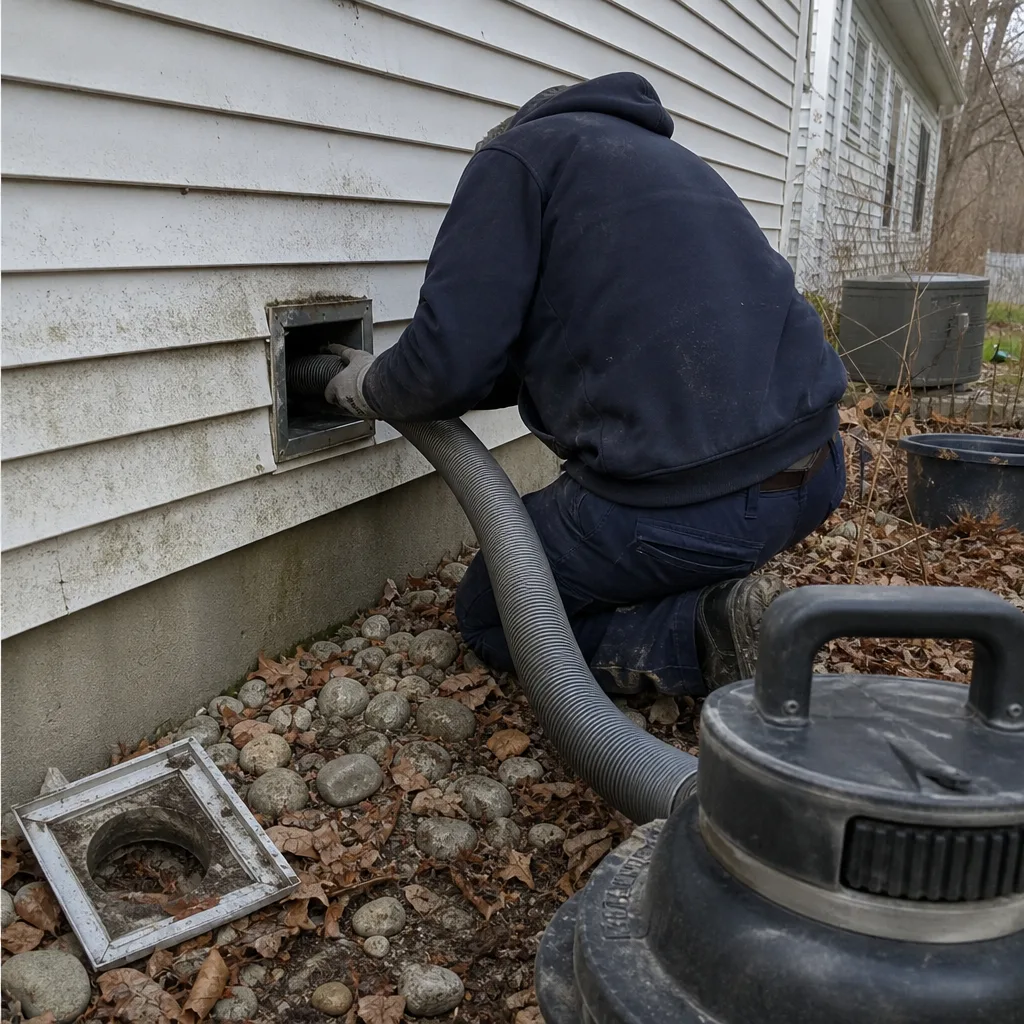 Before
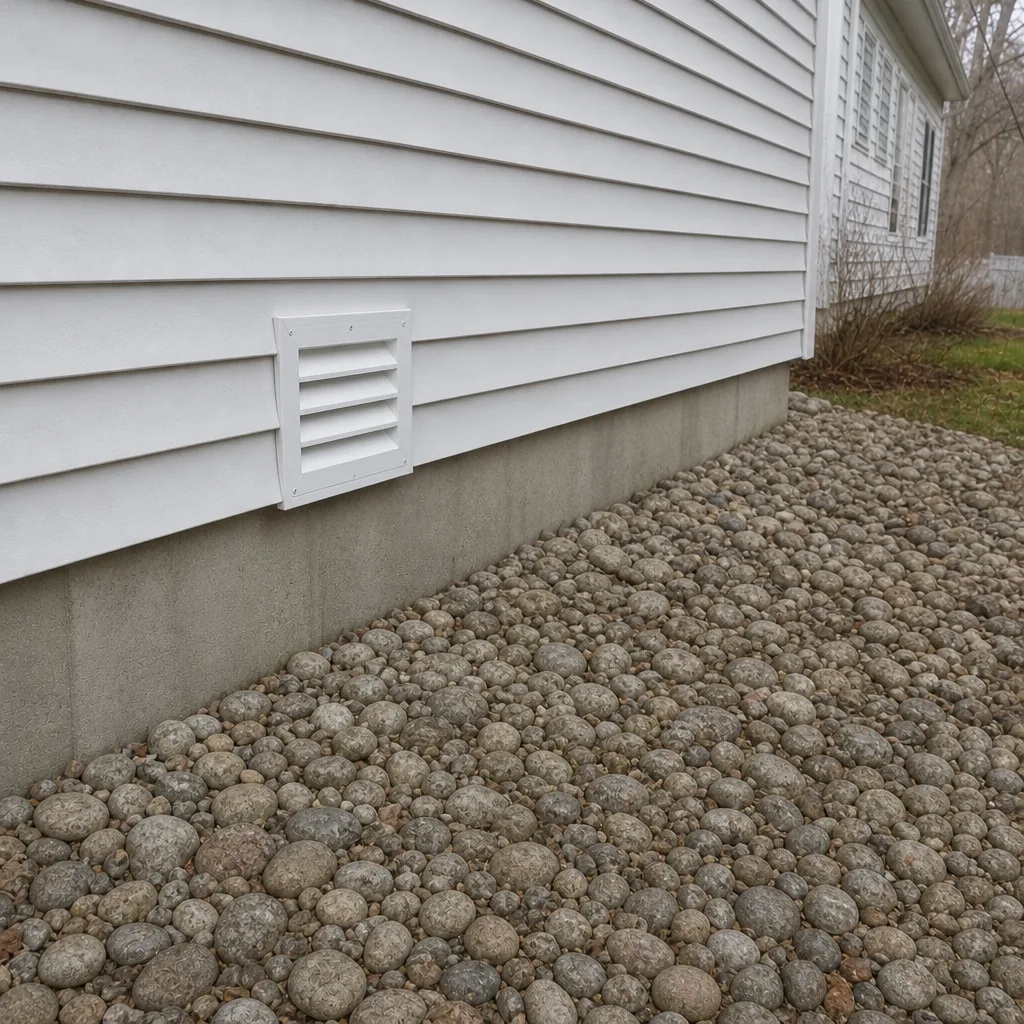 After
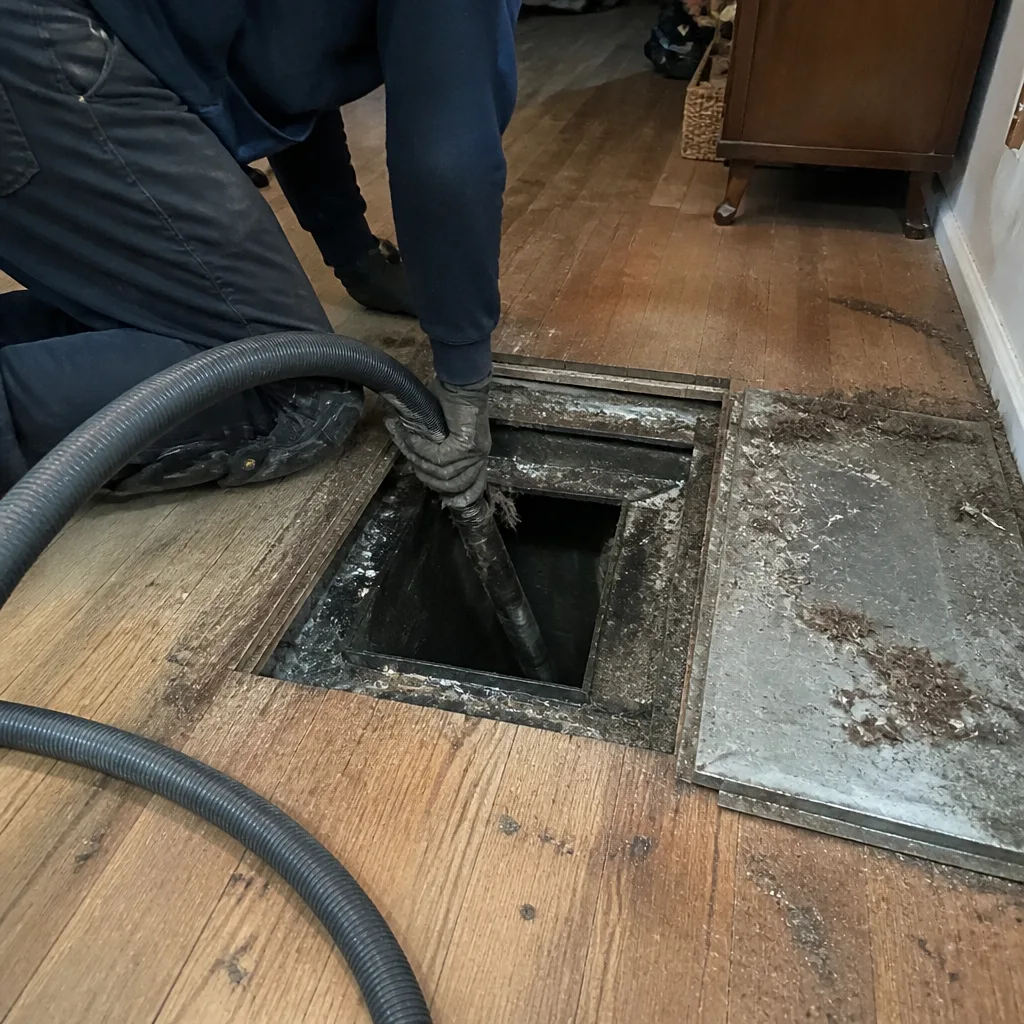 Before
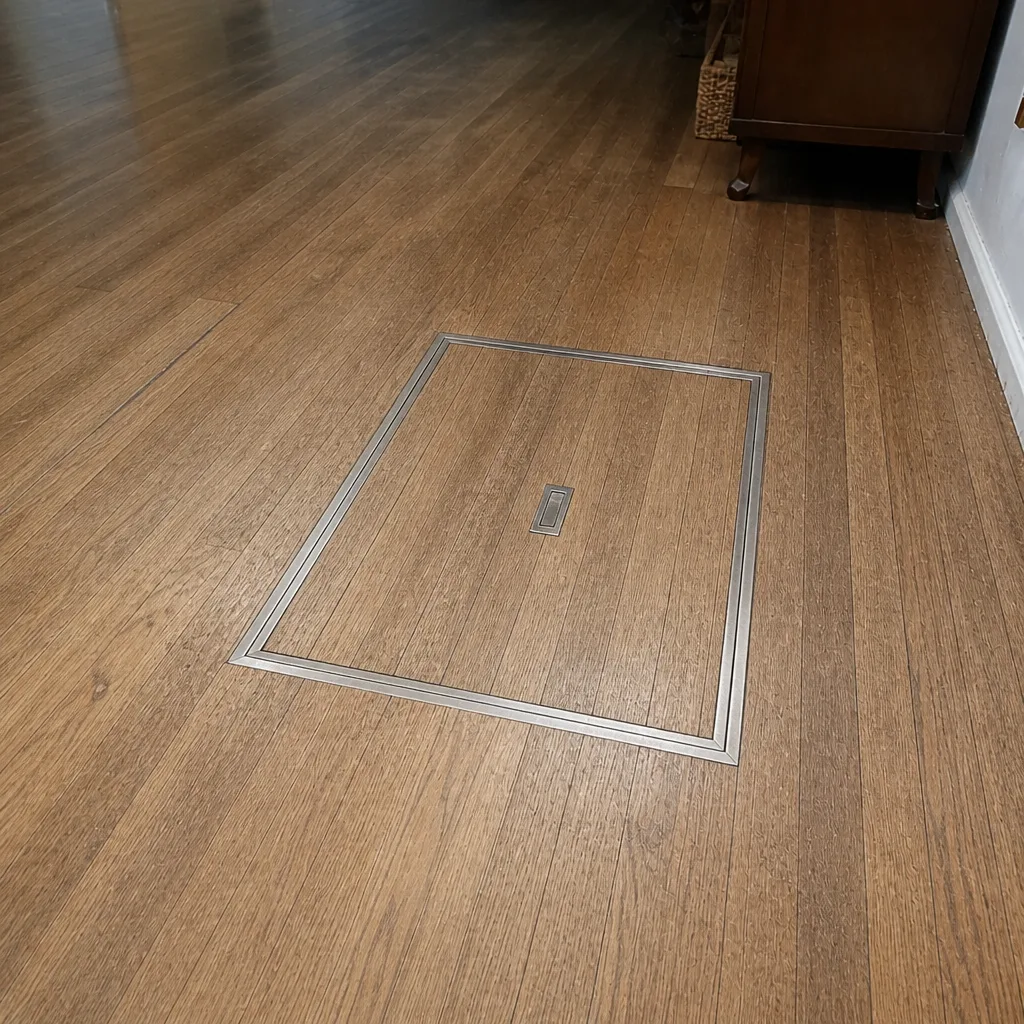 After
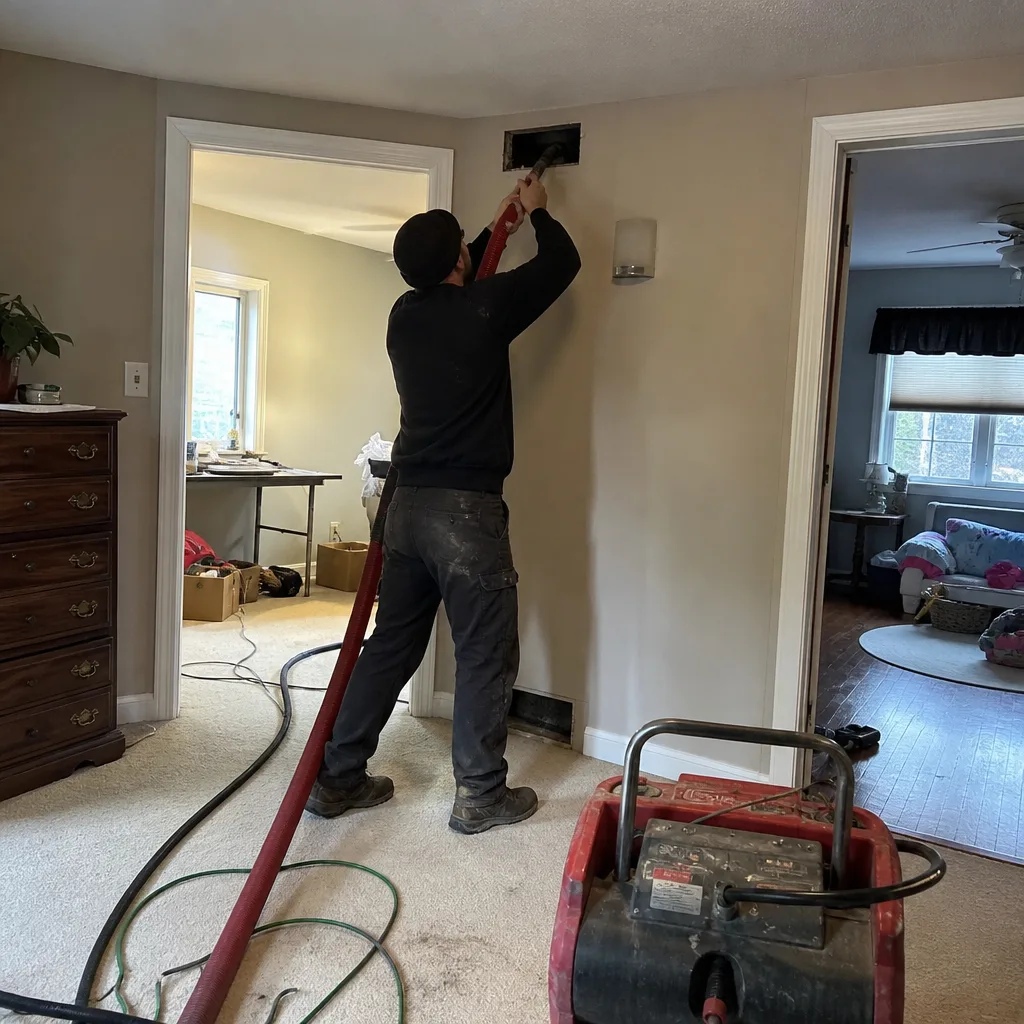 Before
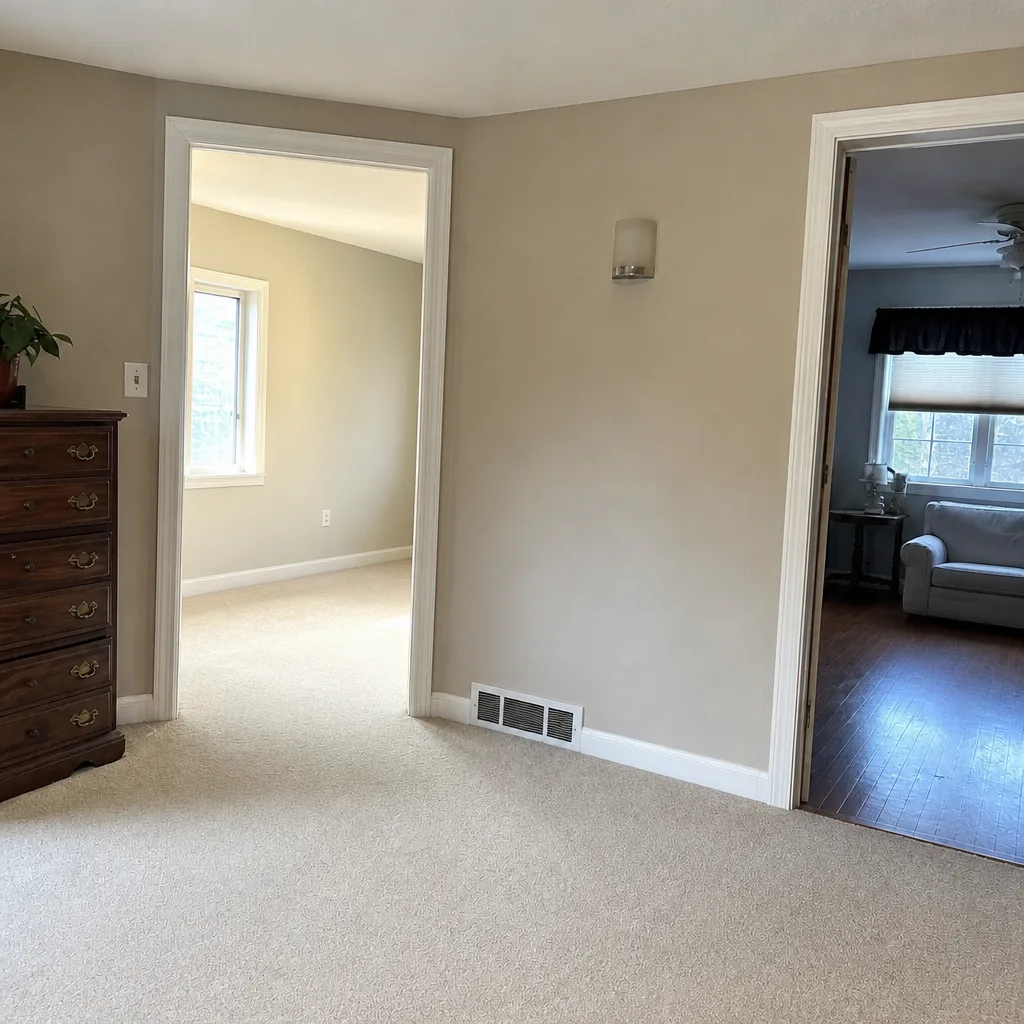 After
When to Call a Professional
Call a technician when your own walk-through turns up more than one of the warning signs at once, or when a single sign persists after the obvious fixes. Specifically: uneven airflow that holds after you’ve opened every damper you can reach, a musty smell that survives a filter change and a week of continuous fan, noise at startup that wasn’t there last year, visible drywall dust from a recent renovation, or a bill pattern that’s climbed two years running without explanation. Those are the cases where a full system assessment is worth more than another round of guessing.
Grafton Air Duct Cleaning offers free estimates in Manchester: call (833) 865-1627. We answer 24/7. Fast dispatch from 7am to 7pm, Sunday through Friday. Estimates are free, and the price is set per job by a written estimate before any work begins, with before-and-after photos of your own ducts so you can see exactly what changed.
Frequently Asked Questions
Most whole-system residential cleanings in the Manchester area fall in the low-to-mid hundreds of dollars, with the exact figure depending on the number of registers, the length of the runs, how accessible the trunk lines are, and whether a repair is needed. Small homes with short runs sit at the lower end; larger homes with multiple zones and older flexible branches sit higher. Call (833) 865-1627 for a free estimate specific to your system.
For most Manchester homes, every three to five years is a reasonable baseline, and sooner after a renovation, a move-in to an older home, or a pet or allergen change in the household. Homes with pets, allergy sufferers, or recent renovation work tend to land at the shorter end. The condition of the system matters more than the calendar.
Cheap quotes usually come from per-vent pricing that doesn’t account for the length of runs, the state of the return trunk, or the equipment being used. A shop vac and a brush on the end of a stick isn’t the same job as professional-grade negative-pressure extraction with HEPA filtration. If a quote is dramatically below the rest, ask what equipment is being used and whether the return side is included. Call (833) 865-1627 for a free estimate you can compare on the same basis.
Ask for before-and-after photos of your own ducts, not stock images, and ask for a walkthrough when the technician finishes. Photos of the actual trunk line and branches are the standard we hold ourselves to on every job. Call (833) 865-1627 to schedule an estimate.
Uneven airflow is more often a mechanical issue than a dirt issue: a partially disconnected branch, a collapsed section of flex duct, a drifting damper, or a leaking joint. Cleaning helps only if blockage is the cause. In our experience, disconnected branches are the single most common cause of the “one cold room” complaint in Manchester homes, and a repair closes the gap cleaning wouldn’t. Call (833) 865-1627 to book an assessment.
Yes, and it’s often the more safety-critical of the two. Lint buildup in a dryer vent is the mechanism behind dryer-related household fires, and a dryer that takes longer than usual or a lint screen that fills fast are signs of restriction. That’s why we handle it as a dedicated service rather than an add-on. Call (833) 865-1627 for a free estimate.
The Bottom Line
The warning signs that matter most in a Manchester home are the ones you can hear, feel, and smell before you can see them. Uneven airflow, a bill that creeps up instead of spiking, musty or dusty or chemical smells, noise at startup, and post-renovation drywall dust all show up before the obvious visible symptoms. Catching those signals early usually means a cleaning plus a targeted repair instead of a full system rebuild. If you’ve done the checklist and the signs are there, the next step is a professional assessment with professional-grade equipment – and a plan that fixes the ducts, not just cleans around them. Call (833) 865-1627 for a free estimate and a written price before any work starts.
For a full look at what we do across the area, start at Grafton Air Duct Cleaning, and see the local service page for Suncook if you’re nearby.
Written by the team at Grafton Air Duct Cleaning.