
Last updated November 15, 2026
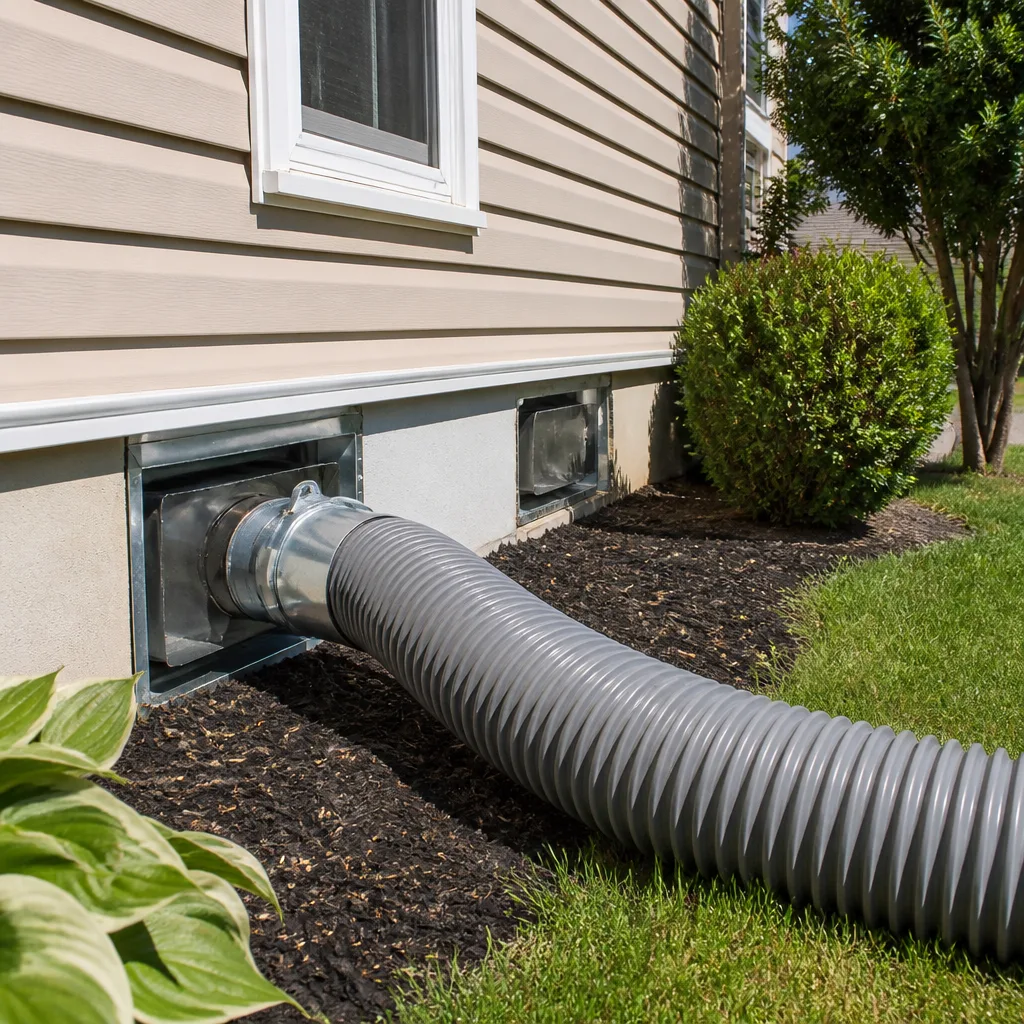 Whole-home duct cleaning
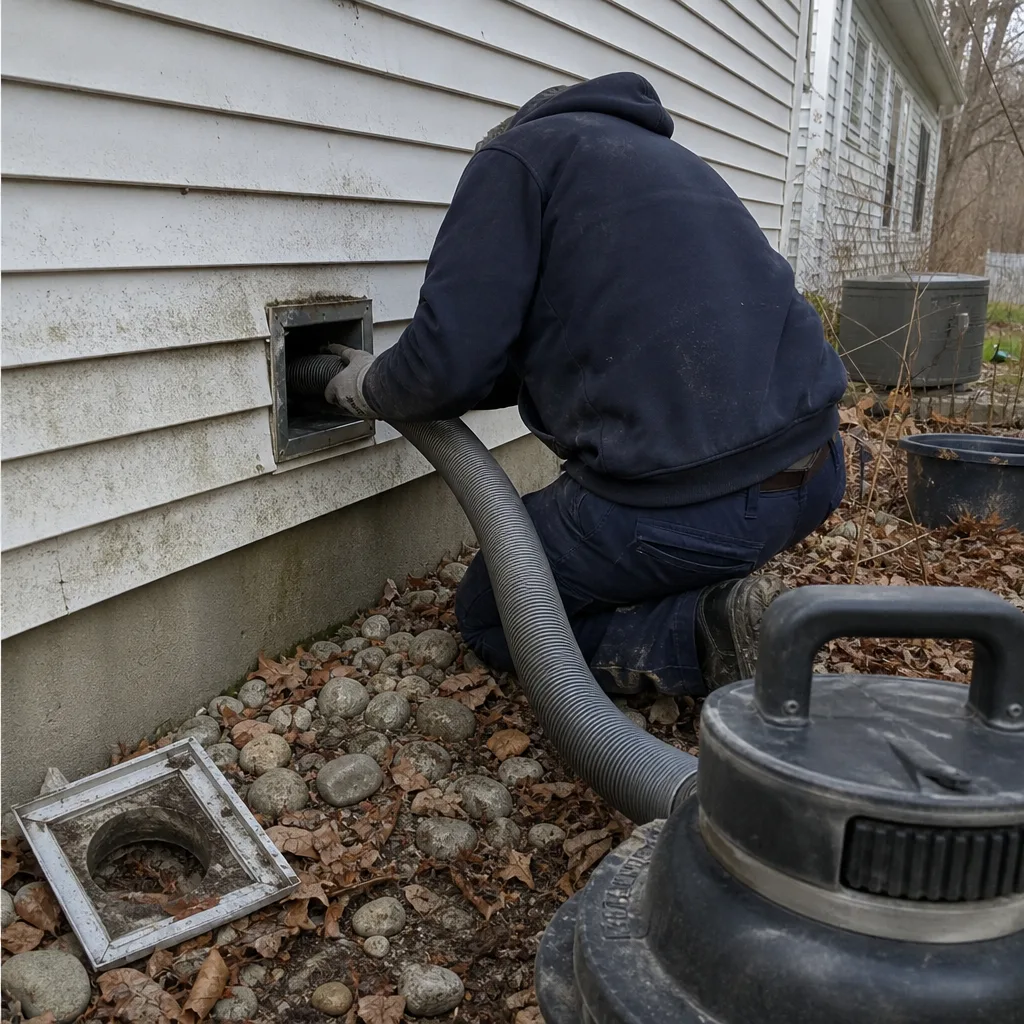
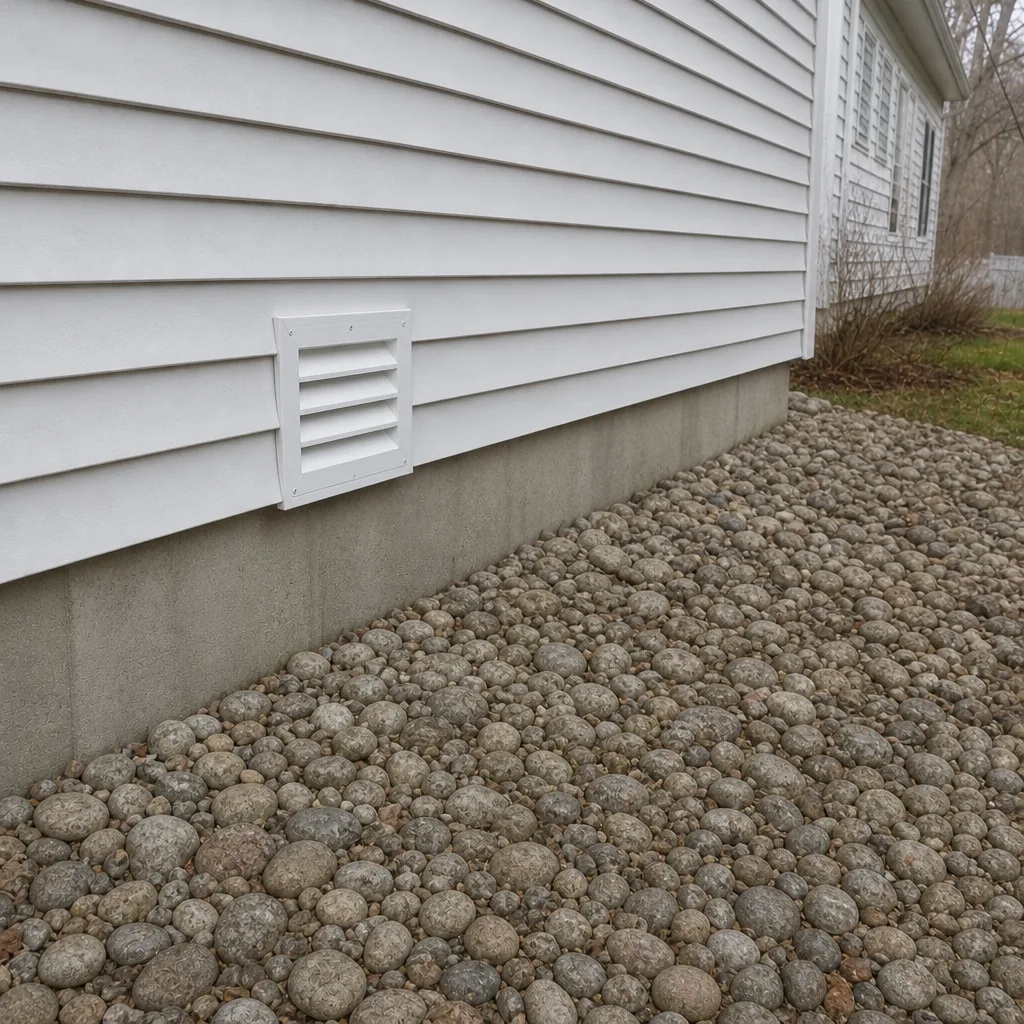
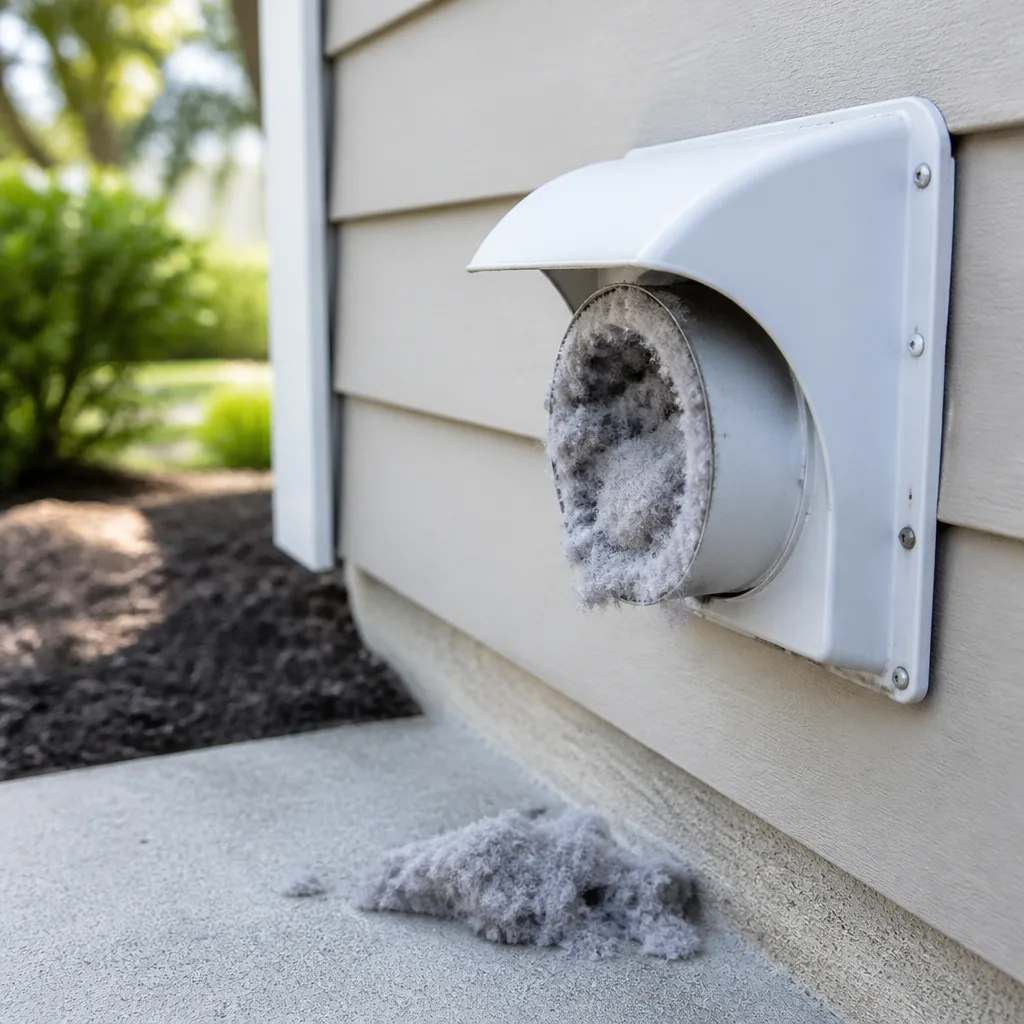 Dryer vent cleaning
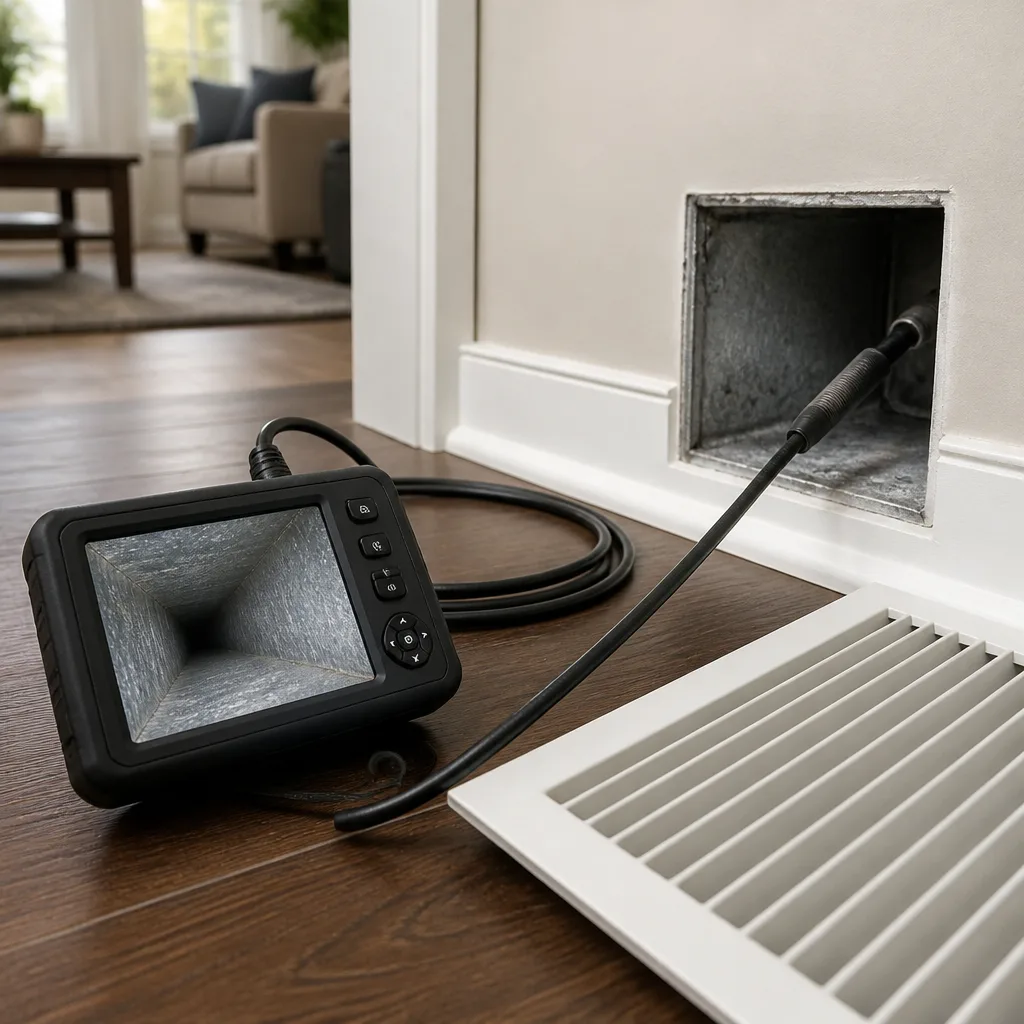 Camera inspection
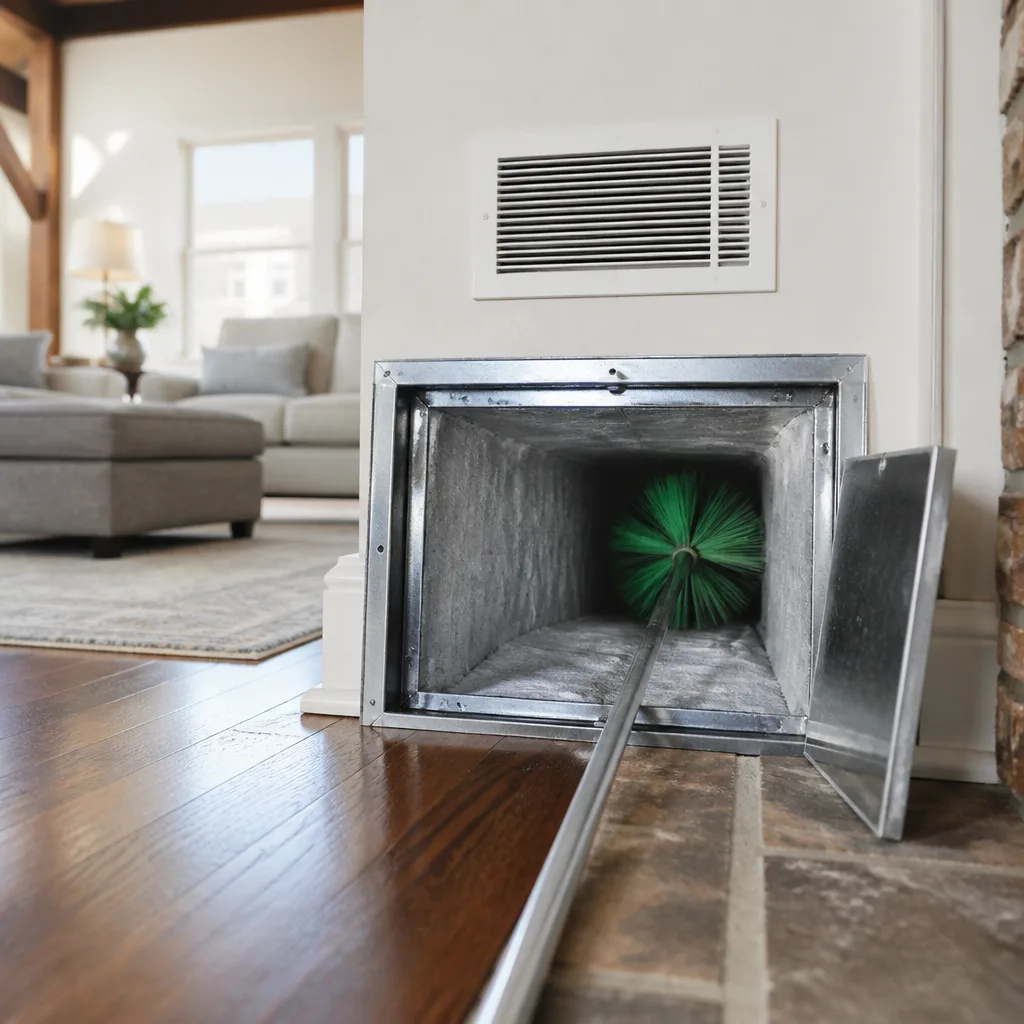 Sanitizing & deodorizing
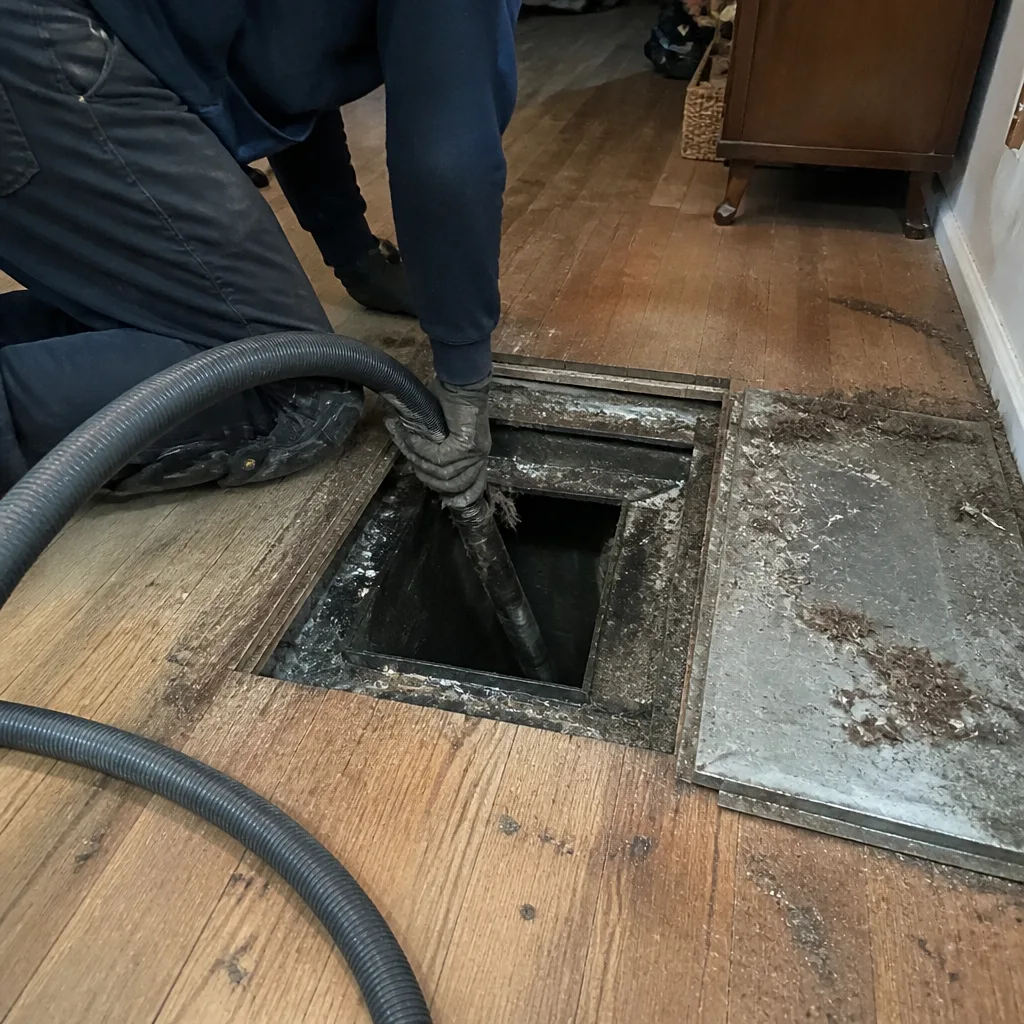
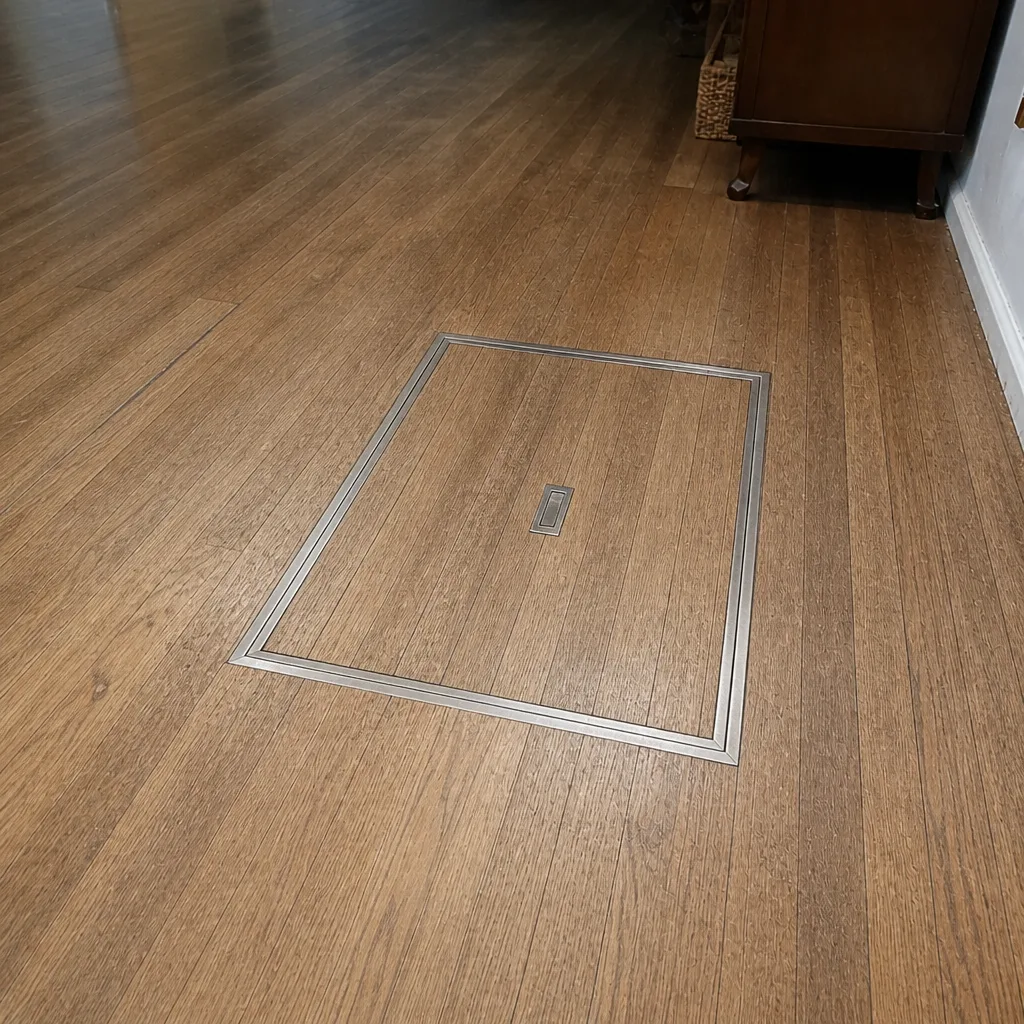
Whole-system duct and dryer vent check with before-and-after photos - you see exactly what came out of your vents
That "$99 whole-house special" is a bait ad - the real number appears once they are in your hallway, or the "clean" is a shop-vac at the register. We photograph the inside of your ducts before and after instead.
Air Duct Cleaning Emergency Preparedness Guide for Manchester Homes
Most homeowners assume a duct system only needs attention when it looks dirty, or when someone in the house starts sneezing. That’s the wrong trigger. The events that do the real damage to ductwork in Manchester – a kitchen fire, a burst pipe, a multi-day power outage in January – don’t announce themselves as duct problems. They show up as smoke smell that won’t leave, musty air after a wet spring, or a heating system that runs but never feels right again. By the time you notice, contamination has already settled into the trunk lines and branch runs. This guide explains what each of those emergencies does to your duct system, what to do before anyone cleans anything, and how to tell the difference between a surface mess and a genuine contamination event. Insurance documentation, the mold timeline for New Hampshire summers, and winter restart protocol are all covered.
Quick Answer
After a fire, flood, renovation, or extended heating outage in Manchester, your duct system is likely contaminated with particles and residue that a routine cleaning won’t fully address – and in most cases the system should stay off until a technician inspects it. Document the damage with photos and a written assessment before cleaning begins, then have the ducts cleaned and, if needed, repaired as one job. A standard cleaning removes ordinary dust; post-emergency work is a different process built around smoke residue, moisture, and construction debris.
Styles & brands we work with
- Whole-home duct cleaning
- Dryer vent cleaning
- Camera inspection
- Sanitizing & deodorizing
Table of Contents
- Post-Fire Duct Contamination: What Actually Happens Inside the System
- Flooding and Water Intrusion: When Ducts Become a Contamination Event
- Post-Renovation Contamination: The Low-Grade Emergency
- Winter HVAC Failure: What a Cold, Unheated House Does to Ductwork
- What to Document for Insurance Before Any Cleaning Starts
- Why Equipment and Repair Capability Change the Outcome
- Preparing Your Duct System Before the Next Emergency
- When to Call a Professional
Post-Fire Duct Contamination: What Actually Happens Inside the System
After a house fire, insurance adjusters routinely approve duct cleaning as part of the claim. That part is straightforward. What isn’t obvious is that the contamination left behind by smoke and firefighting chemicals has almost nothing in common with household dust, and a standard run-through with a vacuum won’t clear it.
Smoke particulate is oily and adhesive. It travels through the return system while the blower is running and coats the inside of duct walls with a film that holds odor. Suppression agents – water, foam, dry chemical from extinguishers – leave residue that can settle into the seams and insulation lining of flex duct. Once that mix dries, it can reactivate every time the heat runs. That’s why the smoky smell comes back weeks after the fire is out.
The first rule after any fire in a Manchester home is simple: keep the HVAC system off. Running the blower moves soot-laden air from the affected zone into rooms that never saw flame. Turning the system back on “to see if it clears” is the most common mistake we see.
Post-fire duct protocol typically involves:
- Keeping the system powered down until a technician has inspected the trunk lines, branch runs, and the air handler.
- Assessing whether ductwork is contaminated, charred, or heat-damaged. Duct sections exposed to high heat often need repair or replacement, not cleaning.
- Using agitation tools – rotary brush systems like Rotobrush and negative air pressure with HEPA filtration – to break the smoke film off the duct walls and capture it rather than redistributing it.
- Documenting the contamination before and after with photographs, which the insurer will ask for.
If any duct run is softened, disconnected, or visibly compromised from heat, cleaning alone is the wrong call. We repair ducts, not just clean them, and post-fire work is where that matters most.
Flooding and Water Intrusion: When Ducts Become a Contamination Event
Not every wet duct is a contaminated duct. That distinction matters, and it’s the one most homeowners get wrong. Surface moisture from a humid spell or a single damp morning in the basement isn’t the same as water intrusion into the duct system.
A genuine duct contamination event usually involves one of these:
- Standing water that reached the ductwork or the air handler.
- A slow leak or roof failure that allowed water to soak flex duct insulation over days or weeks.
- Flood water from a sump failure, a burst supply line, or a backed-up drain.
- A chronically damp crawlspace where supply runs pass through humid air.
The distinction matters because New Hampshire summer humidity creates a specific window. Once flex duct insulation is saturated, mold can begin colonizing within roughly 24 to 48 hours in warm, humid conditions. In a Manchester July, that timeline is realistic – humidity inside a closed house with no dehumidification climbs fast. By the time the musty smell is noticeable, growth is often well underway on the interior lining.
The right order of operations after water intrusion is:
- Shut off the HVAC system. Running the blower pushes humid air through every run and spreads spores.
- Stop the water source and document the intrusion with photos.
- Have the duct interior inspected – not just the visible registers, but the trunk line and the lining.
- Determine whether the affected duct sections can be cleaned and dried or need to be replaced. Saturated flex duct with visible growth usually gets replaced.
- Clean the rest of the system once moisture is under control, and confirm the home’s humidity is back in normal range before restarting.
If you’ve had water in the basement or the duct runs came into contact with standing water, treat it as a contamination event until an inspection says otherwise.
Post-Renovation Contamination: The Low-Grade Emergency
Renovation dust is not household dust, and treating it like household dust is why so many Manchester homeowners end up with gritty air for months after a kitchen remodel. Drywall compound, insulation fibers, and sawdust all have particle profiles that behave differently.
Drywall dust is fine and abrasive. It travels deep into the system and coats the inside of duct walls with a chalky layer that standard vacuuming only stirs up. Fiberglass insulation fibers from wall cavity work can lodge in flex duct lining and stay there. Construction debris – small cutoffs, screws, drywall chunks – sometimes drops into open registers during demolition.
This is why we call it a low-grade emergency rather than a routine cleaning. It’s not urgent the way a fire is, but it needs the right approach:
- Registers and returns should be sealed with plastic during demolition and sanding, not just after.
- Once construction is finished, the system needs agitation cleaning with rotary brush equipment and negative air pressure – a shop vac or a leaf blower does nothing against drywall compound.
- The blower and air handler should be checked for dust buildup, since drywall dust settles on the blower wheel and degrades airflow.
- If flex duct sections were left open and filled with debris, they should be inspected for damage before cleaning.
Drywall dust is abrasive enough to wear blower bearings and settle on coils over time, which shortens the life of your HVAC equipment. Cleaning after the renovation is finished – not during – is the right sequence.
Winter HVAC Failure: What a Cold, Unheated House Does to Ductwork
A multi-day power outage in a Manchester January isn’t just uncomfortable. It changes the physical conditions inside your duct system, and the restart is where homeowners make mistakes.
In an unheated house, warm interior air from a recent shower, cooking, or even breathing condenses on cold duct surfaces. Flex duct with a vapor barrier can trap that condensation between the barrier and the insulation. Longer outages mean more condensation. If the outage is long enough that interior surfaces drop below freezing, ice can form in condensate lines and in ductwork running through unconditioned spaces like attics and crawlspaces.
Before restarting the system after a winter outage, work through this:
- Check for ice or standing water in the ductwork, especially runs through the attic or crawlspace.
- Inspect the air handler and condensate drain for blockage or freeze damage.
- Check flex duct connections – cold snaps make already-loose connections worse, and a disconnected run in an attic can dump heated air where you don’t want it.
- Look for signs of condensation in the duct lining. Wet lining is either dried or replaced before restart.
- Start the system and check every register for airflow. A register that suddenly feels weak is often a disconnected or crushed duct, not a furnace problem.
If you notice musty odor after restart, stop and call for inspection. Moisture that condensed during the outage has had time to sit, and pulling that air through the house isn’t harmless. A technician with up to experience can usually spot a compromised run in a few minutes.
What to Document for Insurance Before Any Cleaning Starts
Insurance claims for duct contamination move faster and settle cleaner when the documentation is done before the cleaning, not after. Once a duct system has been cleaned, the original condition is gone – and adjusters will ask for evidence.
What to capture before anyone touches the system:
- Photographs of the affected areas. Duct interiors at the registers and any openings, visible soot, water staining, or debris. Wide shots and close-ups.
- A written contractor assessment. A document describing what was found, what caused it, and the recommended scope. This is separate from the cleaning estimate.
- An air quality baseline if the insurer requests one. Some claims process faster with pre-cleaning air sampling; that’s normally arranged through a separate indoor air quality professional.
- Repair scope in writing. If duct sections are damaged, disconnected, or heat-degraded, the repair work should be documented as its own line item.
- Manufacturer and equipment details for any components being replaced. Flex duct sections, insulation lining, and any related air quality equipment installed in the home.
A common misstep is delaying documentation until after the cleaning, because the urgency feels higher than the paperwork. Capture everything first. The cleaning can happen next week; the original condition cannot be recovered.
If you’re unsure what the insurer will need, ask before the work starts. Grafton Air Duct Cleaning works with homeowners navigating claims – the estimate is free and the pricing is set per job by the written estimate, so there’s no reason to guess.
Why Equipment and Repair Capability Change the Outcome
Post-emergency duct work is where equipment and repair capability show up as real differences, not marketing. A standard cleaning on a dusty system is one thing. Removing smoke film, drywall compound, or mold from saturated duct lining is another.
Professional-grade systems like Rotobrush and Nikro use brush agitation to break contamination off the duct walls, paired with negative air pressure and HEPA filtration to capture what’s loosened instead of pushing it into the home. That combination is what separates real cleaning from a blower that spreads the problem around. Abatement Technologies equipment, which we use, sits in the same category – filtration-grade tools that hold up to contamination work.
Repair capability is the other half. A cleaning-only operation can remove debris but can’t fix a duct disconnected during a renovation, crushed under insulation, or softened by fire heat. When those repairs are needed, they’re part of the same job, not a referral to someone else. That distinction matters most after the kind of emergency this guide covers.
Dryer vent work is also a safety service rather than a convenience one. Lint buildup in a dryer vent is a leading cause of residential clothes-dryer fires, and it’s one of the three services we provide – along with air duct cleaning and dryer vent cleaning. If a fire, flood, or renovation has already put your system under stress, the dryer vent is worth a look on the same visit.
We also work with recognizable whole-home air quality brands – Honeywell and Aprilaire among them – because emergency cleanup often intersects with filtration, humidity control, and air quality equipment that runs alongside the duct system. Knowing how those systems fit into the picture makes the cleaning and repair fewer disconnected jobs and more one assessed system. That’s what we mean when we say we look at Grafton Air Duct Cleaning as an air system specialist rather than a one-service operation.
Preparing Your Duct System Before the Next Emergency
You can’t prevent a fire or a January outage. You can make the next event less damaging by doing a few things now.
- Know where your system shuts off. The breaker and the air handler switch should be identifiable by anyone in the house, not just whoever pays the utility bill.
- Keep a written record of the system. Brand of air handler, layout of duct runs, any prior repair or replacement. It speeds up any future inspection and any insurance claim.
- Seal registers before renovation. Plastic and tape during demolition and sanding prevents most of the post-renovation problem.
- Check the dryer vent once a year. Lint is a slow accumulation hazard, and it’s one of the few fire risks in a Manchester home that’s easy to eliminate.
- Dehumidify in summer. Managing indoor humidity limits mold growth if any moisture ever does reach the duct system.
- Watch for the quiet signals. Weak airflow at one register, musty smell on restart, or unusual dust after a renovation. These are early signals, and they’re cheaper to fix early.
Outside of emergencies, routine Suncook and Manchester area homeowners often schedule a full assessment after big life events – a renovation, a new house, a major storm season – rather than running a maintenance plan. That’s a reasonable way to work it, as long as the assessment actually looks at the whole system rather than just running a hose through the vents.
Common Mistakes to Avoid
- Restarting the HVAC after a fire to “see if it clears.” This spreads soot into rooms that weren’t affected. Keep the system off until it’s inspected.
- Cleaning ducts before documenting for insurance. Once cleaned, the original contamination is gone and the claim gets harder. Photograph and get a written assessment first.
- Assuming all wet ducts are moldy, or assuming none are. New Hampshire summer humidity means growth in 24 to 48 hours is realistic. Only an inspection settles it.
- Treating post-renovation dust as routine. Drywall compound is abrasive and clogs blowers in ways that shorten equipment life. It’s not the same as household dust.
- Restarting a winter-outage system without checking flex duct connections. Cold snaps loosen already-marginal joints. Damaged runs often show up as a weak register, not a furnace fault.
- Skipping the dryer vent. Lint accumulation is a legitimate fire hazard. If a licensed contractor hasn’t looked at it, the safety picture is incomplete.
- Hiring a cleaning-only operation for a repair-required situation. If ducts are disconnected or heat-damaged, cleaning around the damage doesn’t fix the problem.
See the difference
 Before
 After
 Before
 After
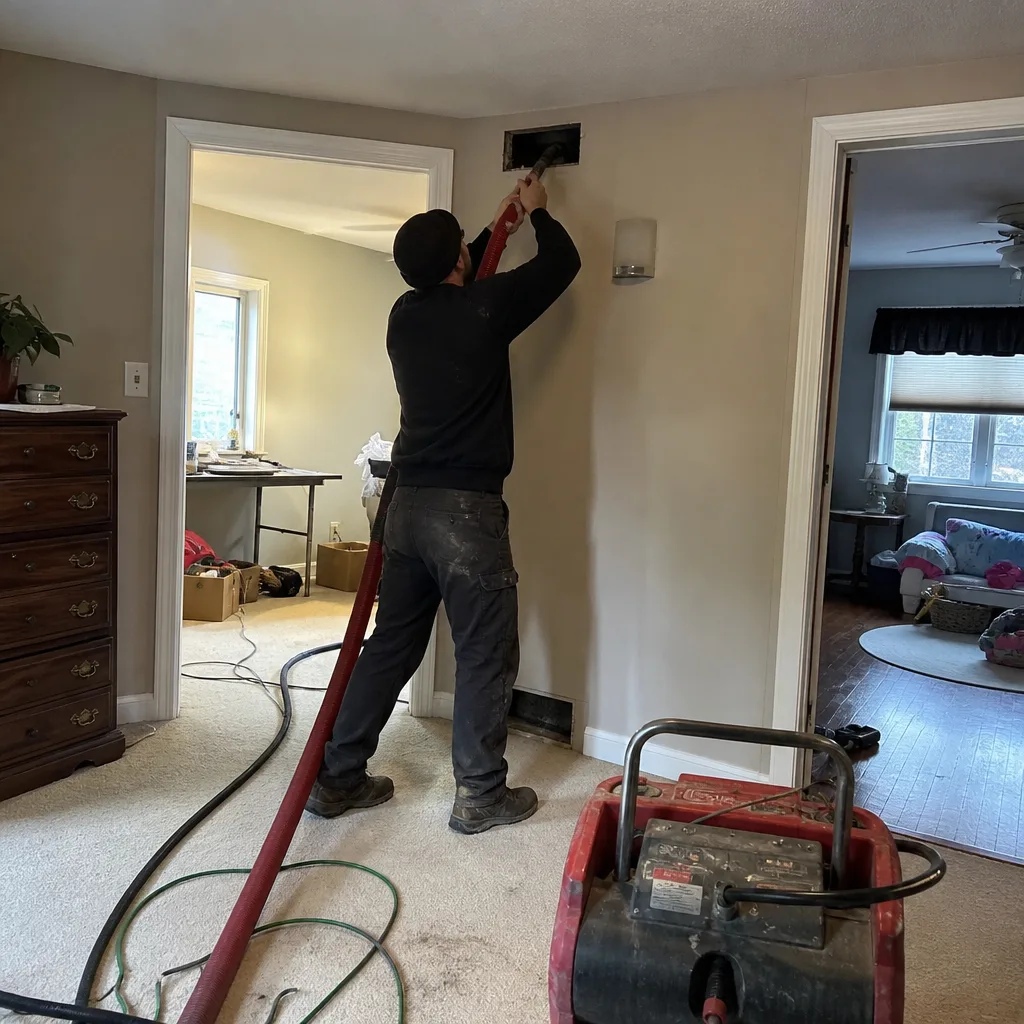 Before
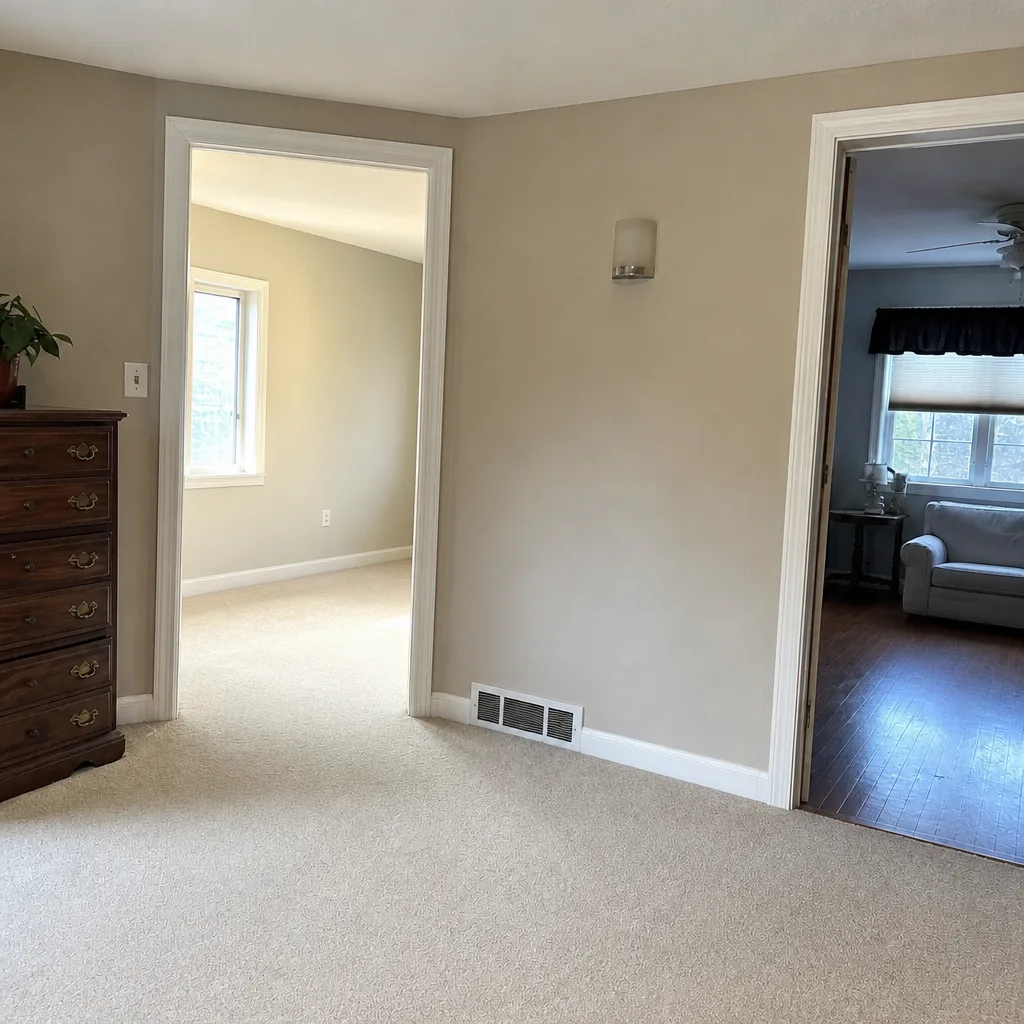 After
When to Call a Professional
Call a professional after any house fire, any water intrusion that reached the ductwork, any renovation that produced fine drywall dust, and any multi-day winter outage where the interior got cold enough to condense moisture. Those four events are the ones this guide covers, and all four justify an inspection before you restart the system. If a duct has visibly disconnected or a register loses airflow, don’t wait for a scheduled cleaning – that’s a repair call. Grafton Air Duct Cleaning offers free estimates in Manchester – call (833) 865-1627. We answer 24/7. Fast dispatch from 7am to 7pm, Sunday through Friday. One flat price per system agreed before work starts, before-and-after photos of your own ducts, and a repair scope included when something needs to be fixed rather than just cleaned.
Frequently Asked Questions
Yes – in most cases, insurance will approve it, and for good reason. Smoke film clings to duct walls and reactivates whenever heat runs, so the smell won’t go away on its own. If the ducts are left alone, soot and extinguisher residue also shorten the life of your HVAC equipment. Call (833) 865-1627 for an assessment – the estimate is free.
Roughly 24 to 48 hours once flex duct insulation is saturated, given the summer humidity in Manchester. During an average July with the house closed up, that window is realistic. Surface moisture from a humid day is a different story – growth needs actual intrusion. Only an inspection can tell the two apart.
Photograph the duct interiors at every register and opening, plus wide shots of the affected area. Include any visible soot, water staining, or debris, and get a written contractor assessment that describes what was found. Do all of this before cleaning begins – once cleaned, the original condition can’t be documented.
No. Run it before demolition or after the renovation is done, not during. Dust pulled through the return system during demolition will coat the blower wheel and settle in the ducts. If construction dust ends up in the system, it needs rotary brush agitation and negative air pressure – not a shop vac – to actually clear it. Call (833) 865-1627 for a post-renovation estimate.
Moisture in the air condenses on cold duct surfaces, and flex duct lining is where it usually ends up. Ice can form in runs through the attic or crawlspace. Before restarting, the system should be checked for moisture, ice, and any flex duct connections that shifted in the cold. If musty odor shows up after restart, stop the system and have it inspected.
Usually because the low quote is a cleaning-only price on a job that needs repair or replacement work too. Cleaning around heat-damaged or disconnected ducts leaves the actual problem in place. Ask any contractor what the estimate covers, whether the blower and air handler are included, and whether repairs are in scope. Grafton quotes one flat price per system, agreed before work starts. For an exact quote, call (833) 865-1627 – estimates are free.
Documentation should happen right away, because that’s when the condition exists. Cleaning itself can typically wait a short window while the claim is processed, as long as the HVAC stays off. If moisture is involved, that window is much shorter – mold can begin within 24 to 48 hours in summer humidity, so plan to inspect promptly.
The Bottom Line
Duct cleaning after an emergency in Manchester is not a bigger version of routine cleaning. Fire, water intrusion, renovation, and winter outage each load the duct system with contamination that a standard vacuum won’t reliably clear, and each one needs its own approach – smoke film and extinguisher residue, mold on wet lining, drywall compound and insulation fibers, or condensation from an unheated house. The common thread is the order: keep the system off, document everything before cleaning starts, get a real assessment, then clean and repair as a single job. Do those in sequence and the next emergency costs less and leaves less behind.
If your duct system has been through one of these events – or you’re not sure whether it has – call Grafton Air Duct Cleaning at (833) 865-1627 for a free estimate. We answer 24/7. Fast dispatch from 7am to 7pm, Sunday through Friday. We use professional-grade Rotobrush and Nikro systems, we repair ducts rather than just cleaning around problems, and we photograph before and after so you can see exactly what was fixed.
Written by the team at Grafton Air Duct Cleaning.