
Last updated November 15, 2026
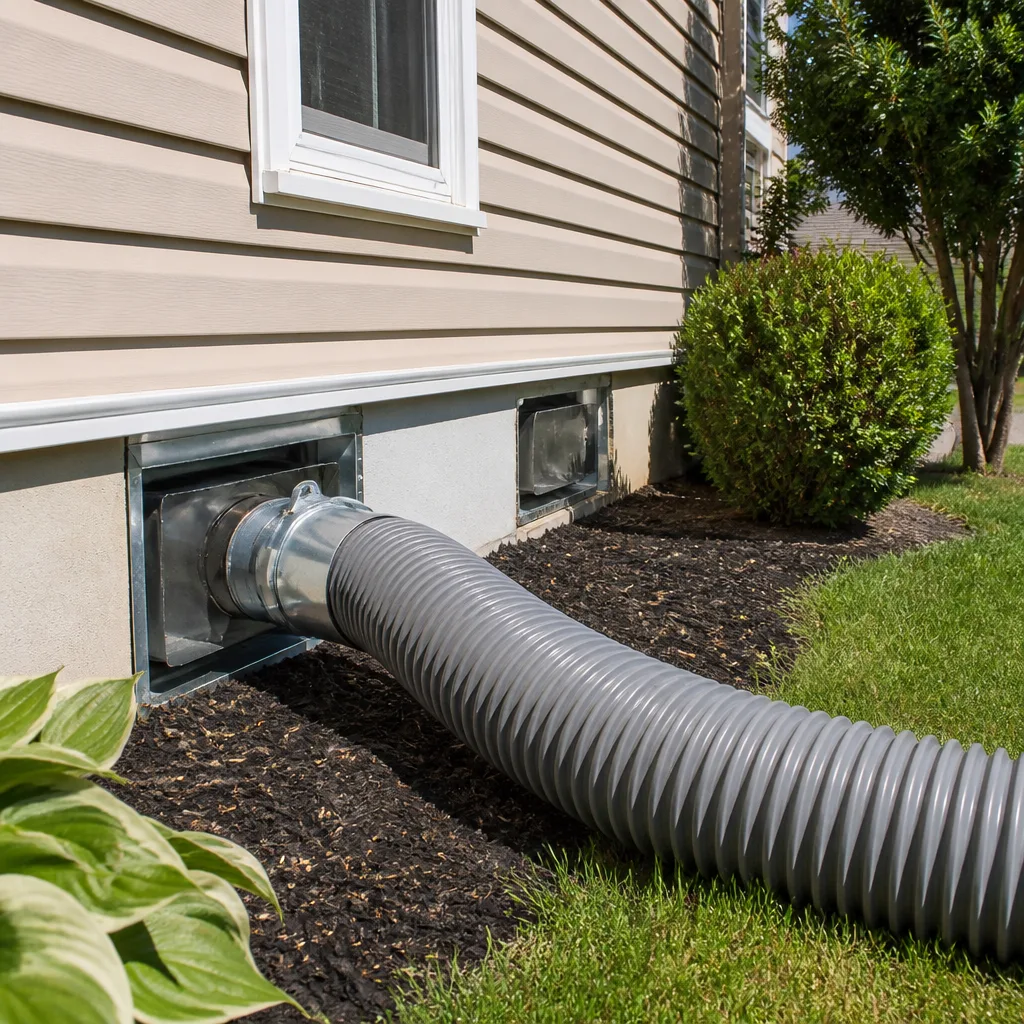 Whole-home duct cleaning
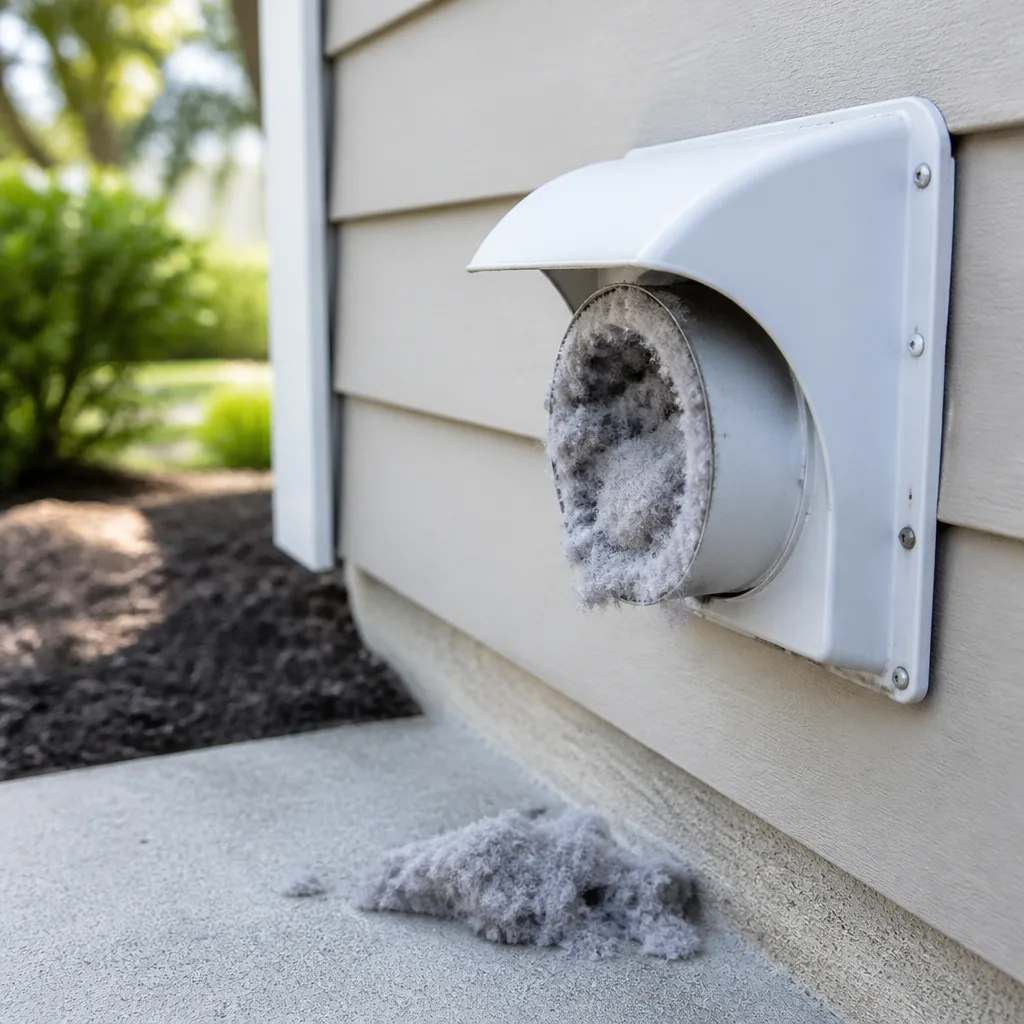 Dryer vent cleaning
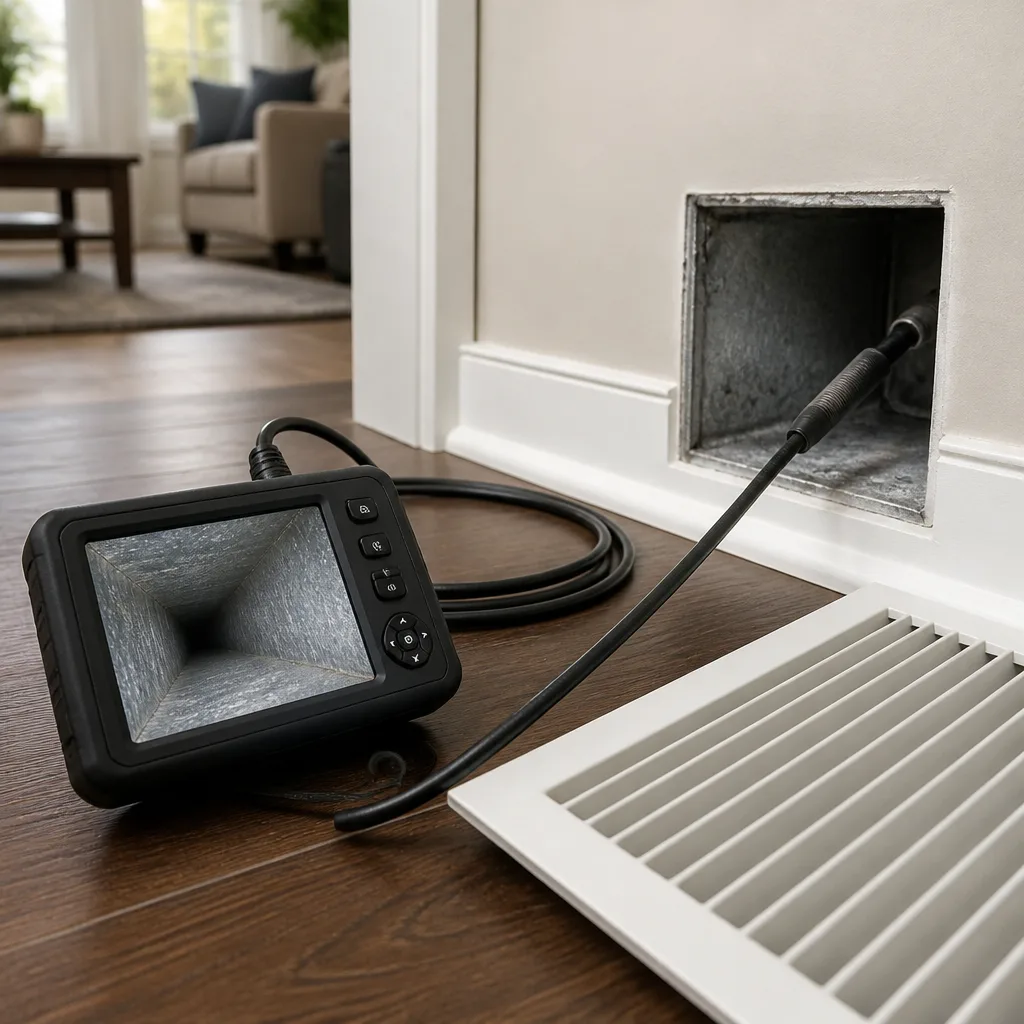 Camera inspection
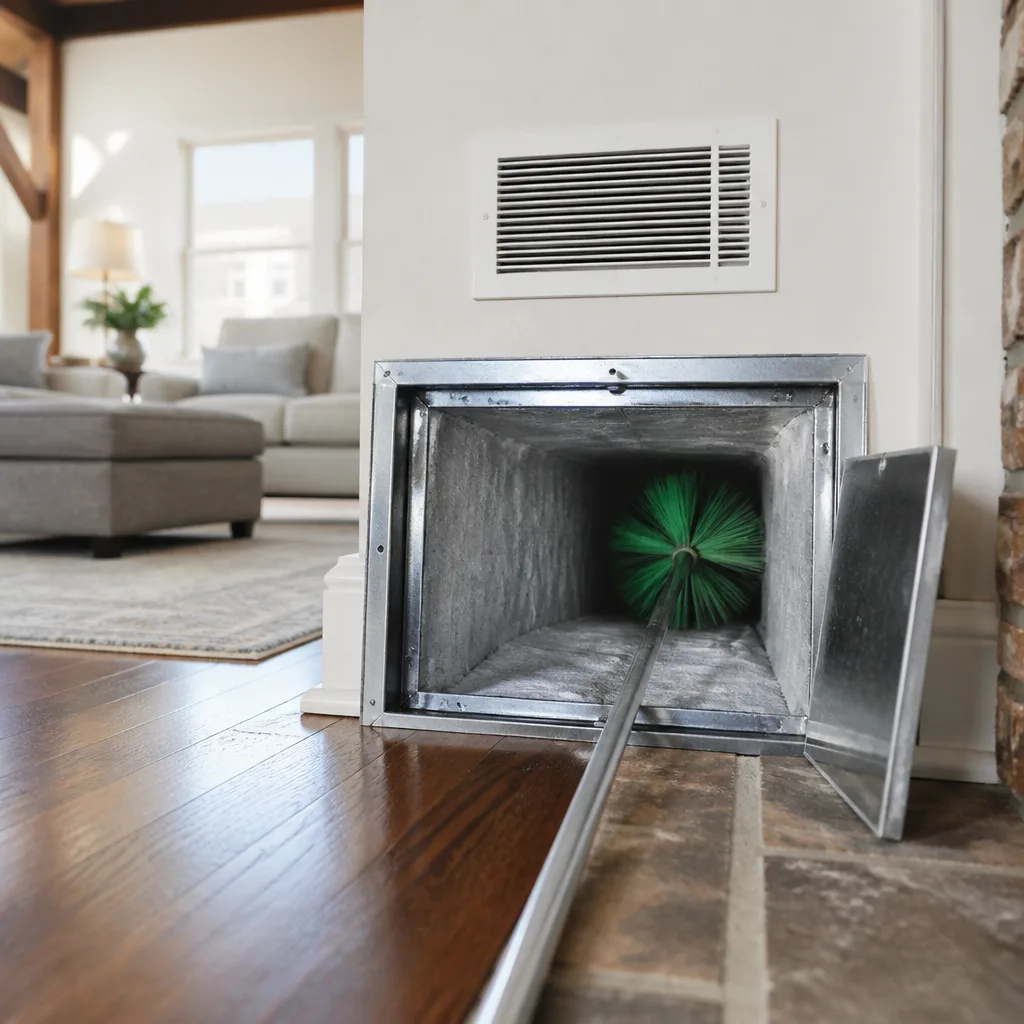 Sanitizing & deodorizing
Whole-system duct and dryer vent check with before-and-after photos - you see exactly what came out of your vents
That "$99 whole-house special" is a bait ad - the real number appears once they are in your hallway, or the "clean" is a shop-vac at the register. We photograph the inside of your ducts before and after instead.
Air Duct Cleaning Troubleshooting in Manchester: Common Problems and How to Fix Them
If your vents are blowing dust two weeks after a cleaning, the problem probably isn’t that the job was done wrong. It’s that the wrong problem was treated in the first place. Most of what Manchester homeowners describe as “dirty ducts” is actually one of four mechanical conditions: a disconnected joint, a collapsed run of flex duct, microbial growth at the evaporator coil, or a leaky plenum pulling attic or basement air into the supply. Cleaning all of them looks the same on an invoice and fixes only one. This guide maps the symptoms you can observe to the actual root causes, so you know what to ask for before anyone puts a brush in your system.
Quick Answer
Most persistent duct problems in Manchester are mechanical, not cleanliness issues. A musty smell usually points to biological growth at the cooling coil or on internal duct liner, not loose debris. Uneven airflow to one room usually means a disconnected or crushed flex duct, not buildup. Dust returning within weeks usually means the system was cleaned but never sealed. The fix for each is different, and cleaning a compromised system without repairing it first just redistributes the problem.
Styles & brands we work with
- Whole-home duct cleaning
- Dryer vent cleaning
- Camera inspection
- Sanitizing & deodorizing
Table of Contents
- Symptom-to-Cause Map: What Your Ducts Are Telling You
- Why Dust Comes Back Two Weeks After a Cleaning
- Musty Smells After the System Runs: Coil, Liner, or Something Else
- Uneven Airflow to One Room: Collapsed Flex and Disconnected Joints
- How a Negative-Pressure Test Confirms the Job Was Done Right
- Duct Problem or HVAC Problem? How to Tell Before You Call
- What a Register Inspection Tells You (and What It Can’t)
- When Repair and Sealing Should Come Before Any Cleaning
Symptom-to-Cause Map: What Your Ducts Are Telling You
Before you call anyone, write down what you’re actually observing. “The house is dusty” and “the back bedroom is cold” are two completely different duct problems, and a technician who treats them the same way is guessing. In our experience across Manchester homes, the symptom almost always narrows the cause to one or two possibilities.
Here’s the map we use. Match your symptom on the left, then read what it usually indicates and what the diagnostic step is.
- Dust settles back on surfaces within two to three weeks of a cleaning. Likely cause: an unsealed return or supply plenum pulling air from a basement, crawlspace, or attic. Diagnostic step: a negative-pressure test with the air handler running.
- Musty or “gym bag” odor that’s strongest in the first minute the system starts. Likely cause: microbial growth on the evaporator coil or on the internal fiberglass liner of a duct run. Diagnostic step: camera inspection of the coil face and the first 10 feet of the trunk.
- One room is consistently warmer or cooler than the rest of the house. Likely cause: a crushed, kinked, or disconnected flex duct branch, or a damper stuck closed. Diagnostic step: trace the branch from the plenum to the register.
- Whistling or whooshing at a single register. Likely cause: a partially blocked run, an undersized branch, or a duct that’s come apart inside a wall cavity. Diagnostic step: static pressure reading at the plenum plus a camera run.
- Higher-than-normal dust at one register only. Likely cause: a nearby return pulling from an unconditioned space, or a joint that’s separated just upstream of that register.
- Dryer takes two cycles to dry a normal load. Likely cause: lint accumulation in the dryer vent run, kinked semi-rigid duct behind the dryer, or a crushed termination hood. Diagnostic step: airflow measurement at the exterior termination.
Notice that none of these point straight to “the ducts are dirty.” Debris accumulation is real, but it’s rarely the whole story in a Manchester home that’s been lived in for years. If you want the broader picture of what a proper cleaning involves, our overview of air duct cleaning covers the full process from register to plenum.
Why Dust Comes Back Two Weeks After a Cleaning
Dust returning quickly after a cleaning almost always means the system was cleaned but not sealed. The ducts themselves are now clean, but the pressure boundary of your house is still open. Every time the air handler runs, it pulls air through gaps in the return plenum, at the air handler cabinet seams, and at every boot that isn’t sealed to the drywall.
In Manchester homes, the most common leak points we find are:
- Return plenum seams in unfinished basements. These are often taped with old cloth-backed tape that has dried and separated. The system pulls basement air, along with whatever is in it, straight into the return.
- The air handler cabinet. Manufacturers build in small gaps around the filter slot and access panels. If the unit sits in a basement or utility closet, that gap feeds the system unconditioned air.
- Register boots that don’t meet the drywall. A half-inch gap around a supply boot in a ceiling or floor isn’t visible, but the pressure differential across it will pull attic or crawlspace air into your supply stream every time the system runs.
- Kinked or disconnected flex duct in the attic. Manchester attics see real temperature swings between summer and winter. Flex duct that was routed tightly around a truss can crush over time as the structure moves.
The fix isn’t another cleaning. It’s sealing the system with mastic or foil tape at the joints, then re-cleaning only if debris got in through the gaps. Cleaning a leaky system without sealing it just puts you back in the same spot three weeks later. Duct repair done right is the difference between a cleaning that holds and one that doesn’t.
Musty Smells After the System Runs: Coil, Liner, or Something Else
A musty smell that’s strongest in the first minute or two after the system starts is not a debris problem. Debris doesn’t smell like that. That specific pattern is a sign of biological growth, and it’s almost always in one of three places.
- The evaporator coil. This is the damp, cold surface where condensation forms during cooling season. If the coil hasn’t been cleaned and the drain pan isn’t draining properly, the coil becomes a growth surface. The smell hits first because the system pushes the coil’s air into the supply trunk the moment it starts.
- The internal duct liner. Many older trunk runs in Manchester homes have fiberglass acoustic liner on the inside. If moisture has reached it from a leaking coil, a disconnected run through a humid attic, or a past roof leak, the liner becomes a growth surface. This is one situation where cleaning can make it worse – the liner often needs to be removed and the trunk relined or replaced.
- Standing water in the drain pan or in a low spot in the condensate line. This is common in basements where the drain line runs a long distance to a floor drain. It’s also the cheapest of the three to fix.
What it usually isn’t: the dust sitting in the ducts. Dry dust doesn’t produce a musty smell. If a company tells you the smell will go away after a generic cleaning, ask them how they’ll verify the coil and the liner. If they can’t answer, they haven’t diagnosed anything. Camera inspection of the coil face and the first several feet of the trunk is how you confirm which of the three you’re dealing with.
Uneven Airflow to One Room: Collapsed Flex and Disconnected Joints
If one room never heats or cools like the rest of the house, you’re dealing with a distribution problem, not a cleanliness problem. Debris in a duct can reduce airflow, but it rarely reduces it enough to make one room dramatically different from its neighbors. A crushed or disconnected run will.
Here’s how we’d work through it in a Manchester house:
- Start at the register with the weak airflow. Pull the grille off. Look at the boot and the first foot of duct visible. A disconnected flex duct will often be visible right there, and it’s the most common cause we find.
- Check for a damper. Many older Manchester homes have manual dampers at each branch takeoff from the trunk. Some have dampers at the register boot itself. A damper that’s half closed will feel exactly like a duct problem.
- Trace the branch back to the plenum. In an unfinished basement this is straightforward. In a finished ceiling or a tight attic, it may require a camera scope to run the length of the duct without cutting into drywall.
- Measure static pressure at the plenum with all registers open and again with the weak room’s register closed. A large change tells you the problem is downstream. No change says the branch is blocked or disconnected before it ever reaches the register.
- Check the room itself. Supply air has to leave the room through a return path. A closed bedroom door with no return or transfer grille will feel like poor supply airflow, and no amount of duct work will fix it. A return duct in the hallway won’t pull air out of a room whose door is closed.
The fix for a crushed or disconnected flex run is duct repair – replacing the damaged section and re-sealing it with mastic, foil tape, or a proper mechanical connection. That’s a service we offer as a named capability rather than cleaning around it, and it’s often what needs to happen before a cleaning is even worth doing.
How a Negative-Pressure Test Confirms the Job Was Done Right
A negative-pressure test is how you find out whether the system was actually cleaned and sealed, or whether debris was just moved from one part of the system to another. It works like this: one technician pressurizes the duct system with a calibrated fan while another walks the house looking for airflow at the edges of registers, at the plenum, and at the air handler cabinet. If air comes out where it shouldn’t, that’s a leak.
Why it matters for a cleaning job: if a system leaks, a vacuum-based cleaning will pull debris toward the leak points rather than out of the system. The technician finishes, the invoice looks complete, and the dust returns in three weeks because it never left the house in the first place. A negative-pressure test run before and after the cleaning is the honest way to verify the difference.
Professional equipment matters here. A Rotobrush system with a HEPA-filtered negative-air machine pulls to a sealed system, and the equipment setup itself requires taping and sealing registers before the cleaning starts. That’s the point where a technician either confirms the system is tight or finds the leak. If you want the cleaning to hold, ask how the system will be tested on both ends of the job. Our guide on air duct cleaning explains the process in more detail, and we use Rotobrush and Nikro equipment to make the pressure test meaningful.
Duct Problem or HVAC Problem? How to Tell Before You Call
Before you call a duct company, answer three questions. If the answers are clear, you’ll know whether you need a duct specialist, an HVAC technician, or both.
- Does the airflow at the register change when the system is running? A register that moves air loudly for the first few seconds and then fades is usually a duct issue. A register that has strong, steady airflow but the room never gets cool is more likely an HVAC capacity issue or a room-side problem.
- Is the problem at the register, or at the equipment? Pull the register grille. If the airflow is strong at the boot but the room stays hot, that’s a distribution issue. If the airflow is weak at the boot but strong at the plenum, that’s a branch issue. If airflow is weak at the plenum, the problem is upstream of the ducts – the blower, the filter, the coil, or the equipment itself.
- Is the smell only when the AC is on, or does it happen on heat too? A smell that only appears with cooling points to the evaporator coil or the condensate. A smell that also appears on heating points to the duct liner, a disconnected return pulling from a basement or crawlspace, or a heat exchanger issue that needs an HVAC technician, not a duct specialist.
If the answers to those three questions point to the ducts, you’re in the right place. If they point to the equipment, a duct cleaning won’t fix it, and an honest technician should tell you so. In our experience in Manchester homes, roughly half of the calls about “dirty ducts” turn out to be partly an HVAC equipment problem, and diagnosing that correctly is the difference between paying for the right repair and paying twice.
What a Register Inspection Tells You (and What It Can’t)
Looking into a register with a flashlight tells you a few useful things and hides a lot more. Knowing the difference saves you from making a decision on the wrong information.
What a register inspection can tell you:
- Whether the boot is sealed to the drywall or floor, or whether there’s a visible gap.
- Whether the first few feet of duct behind the register are crushed, disconnected, or coated with visible growth.
- Whether airflow feels strong, weak, or absent at the vent.
- Whether the grille itself is clogged with dust and should just be removed and washed.
What a register inspection cannot tell you:
- Whether the trunk line further down the run is compromised.
- Whether the coil is fouled or the drain pan is holding water.
- Whether the internal liner of the duct has moisture damage you can’t see from the vent.
- Whether a flex duct is kinked 15 feet away inside a ceiling assembly.
That’s why a proper diagnostic uses a camera or scope run through the system, not just a glance at the register. A technician who looks at one vent and quotes a full cleaning based on what they see there is guessing. A camera down the trunk and a look at the plenum tells you what’s actually going on.
When Repair and Sealing Should Come Before Any Cleaning
There’s a specific set of conditions where cleaning a duct system first is the wrong call. If any of these are present, repair or sealing needs to happen before – not after – the brushes go in.
- The system has a disconnected run. Cleaning a disconnected system pulls conditioned air from wherever the joint failed, along with dust and whatever else is there. Repair first, then clean.
- There’s visible moisture damage on the duct liner. Running a brush through a wet or biologically compromised liner can aerosolize the growth into the supply stream. The liner usually needs to come out, and the trunk needs to be relined or replaced before the system is cleaned.
- There are open seams in the plenum or air handler cabinet. Vacuum-based cleaning won’t hold pressure across an open seam, so the cleaning won’t do what it’s meant to. Seal, then clean.
- A flex duct is crushed or kinked. Cleaning around a crushed run doesn’t restore its airflow. The run needs to be replaced, then the system can be cleaned and balanced.
This is where having one company that can do both matters. Most cleaning-only outfits will clean the system and leave the mechanical problems alone, because cleaning is what they do. Our position on this is simple: we repair ducts, not just clean them. If the diagnostic says repair first, that’s the order we’ll recommend. For Manchester homeowners, that often means a smaller job than expected and a system that actually holds its results. The same principle applies to dryer vent cleaning, where we check the full run from the appliance to the exterior termination before we start the cleaning itself.
Common Mistakes to Avoid
- Booking a cleaning based on a phone call alone. A quote given over the phone without a look at the system is a guess, and it locks you into a price that may not match the work. Ask for a diagnostic first. In Manchester, older homes often have surprises inside the walls that a phone estimate can’t anticipate.
- Hiring a company that can only clean. If your system has a disconnected joint, a crushed flex run, or moisture damage in the liner, cleaning is the wrong first step. Ask whether the company offers duct repair, not just cleaning, before you schedule.
- Accepting per-vent pricing as a sign of thoroughness. A per-vent price is usually a marketing hook, not a reflection of system size. A one-trunk ranch and a finished basement with multiple zones cost different amounts to do right. Ask for a whole-system quote based on what the technician actually sees.
- Skipping the dryer vent because the ducts got cleaned. The dryer vent is a separate run with a separate safety profile. Lint accumulation in the vent line is a fire hazard independent of the HVAC ductwork, and it isn’t touched by a duct cleaning. Check it on the same visit if you can.
- Buying a cleaning when the real issue is the HVAC equipment. A system that blows strong air that isn’t cold has a refrigerant, compressor, or airflow problem. Cleaning won’t fix it. Get a diagnostic that tells you which system is at fault before you spend.
- Assuming new dust means the cleaning failed. Dust in a Manchester home two weeks after a cleaning often means the system is pulling air through an unsealed gap. The cleaning was fine; the sealing wasn’t done. Ask about a pressure test before and after the job.
- Skipping the register grille itself. Grilles collect dust on the return side and are cheap to clean. Removing the grille and washing it is a five-minute job that’s often overlooked in a full professional cleaning because it’s outside the ductwork itself.
See the difference
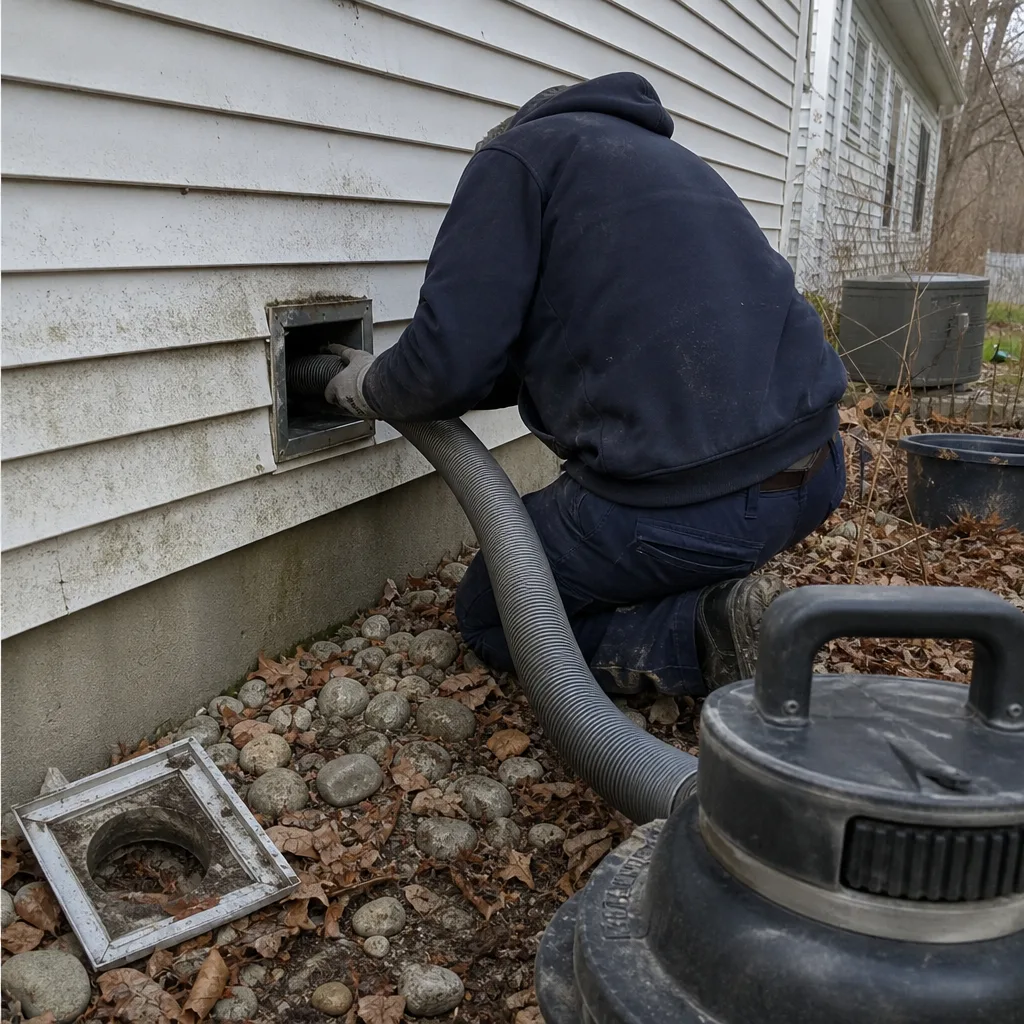 Before
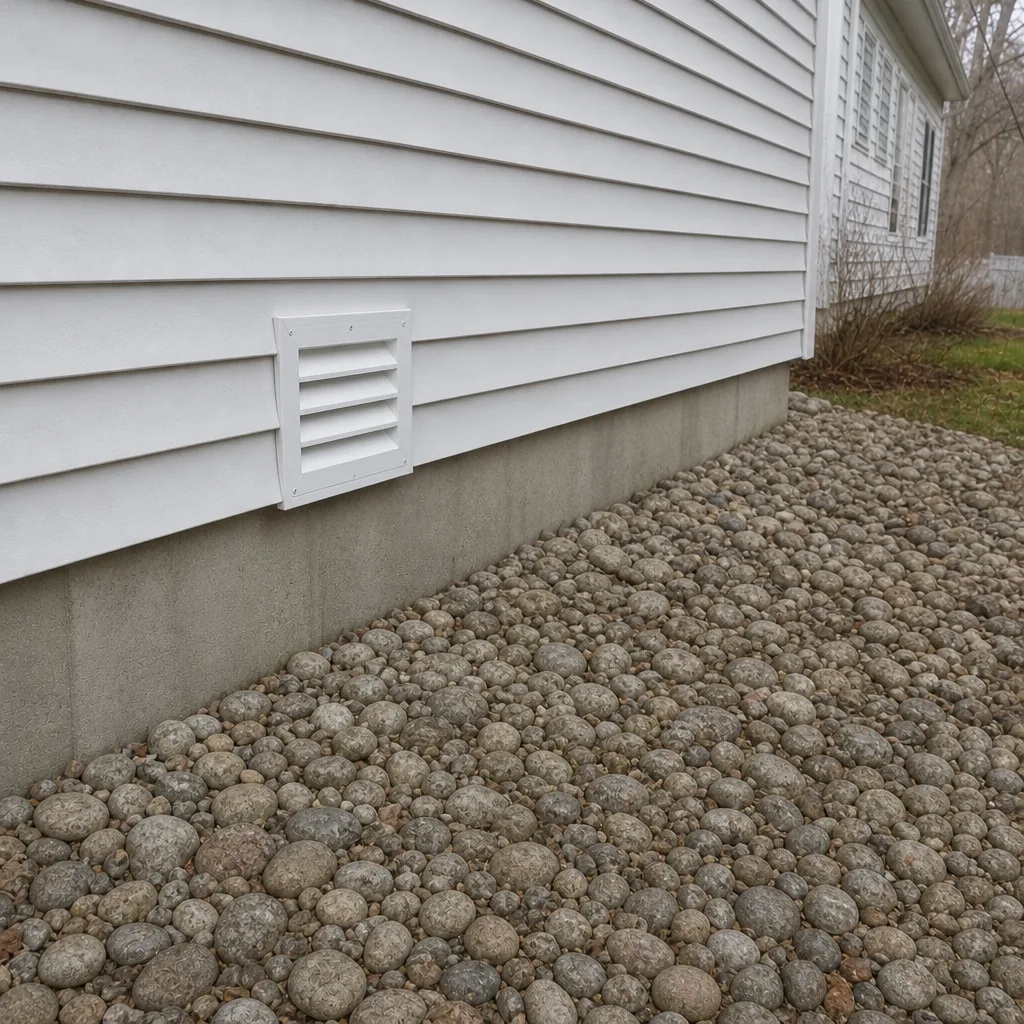 After
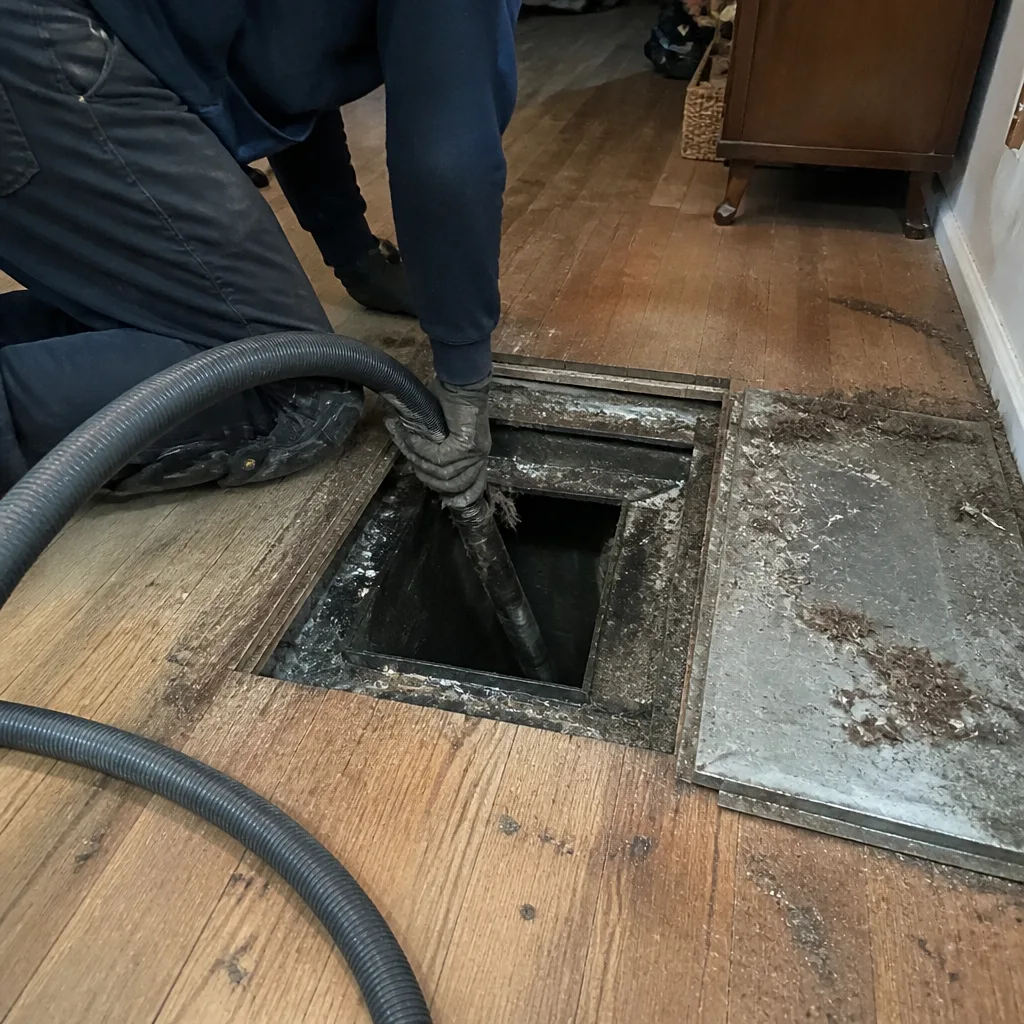 Before
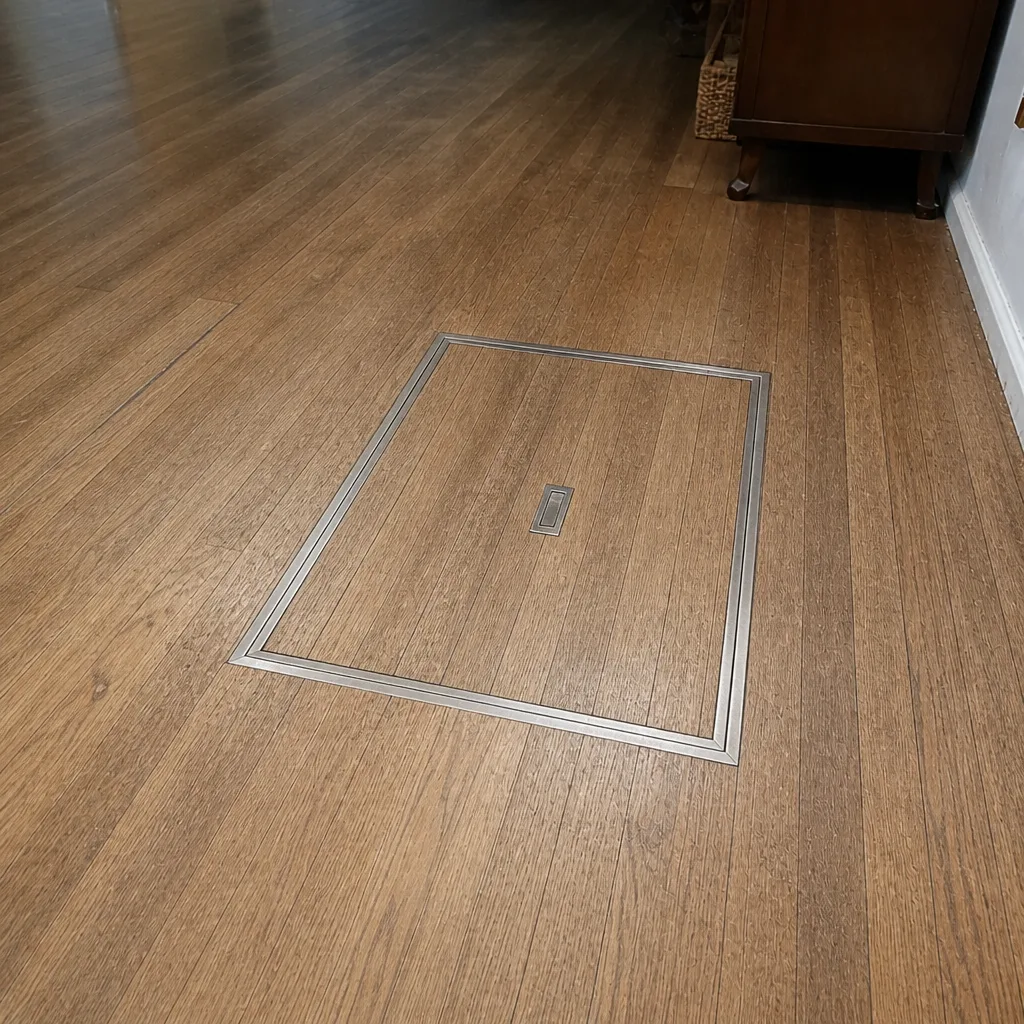 After
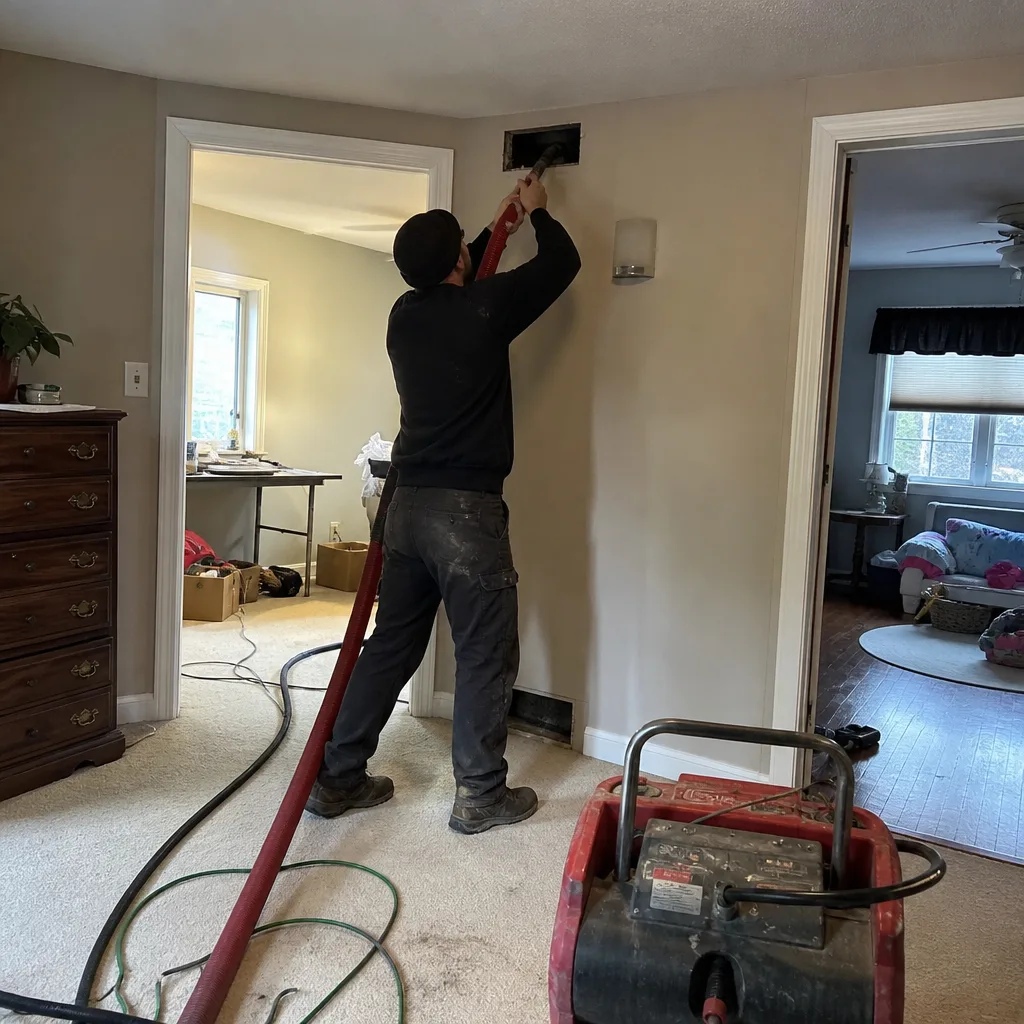 Before
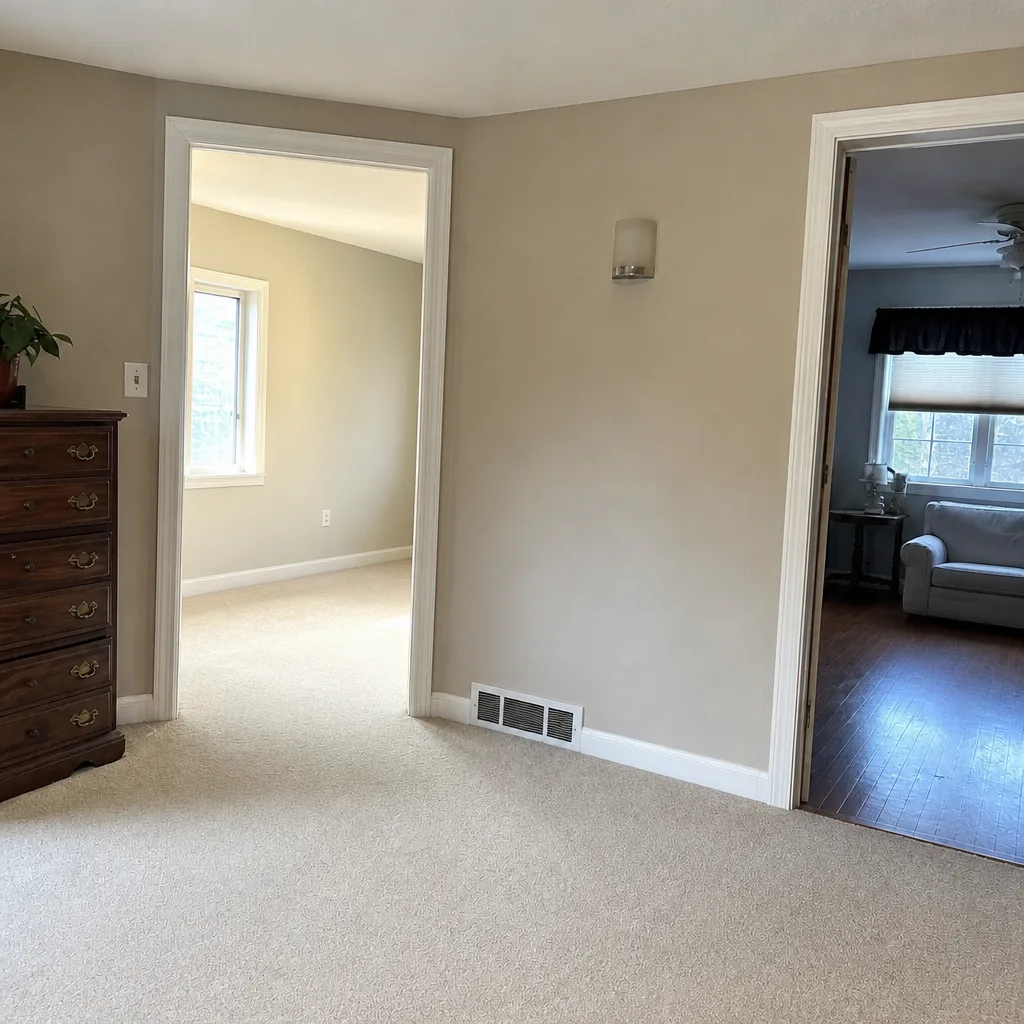 After
When to Call a Professional
Call a professional when you can see the symptom but can’t identify the cause, when airflow is weak at one or more registers and you’ve already tried cleaning the grille, when a musty smell appears on every cooling cycle, or when you’ve had a cleaning in the last year and dust is already back. Also call when you’ve had a recent renovation, when a home has sat vacant for a season, or when you’re not sure whether the duct or the equipment is the problem – a proper diagnostic resolves that fast. Grafton Air Duct Cleaning is a full-scope indoor air system specialist covering Manchester and the surrounding area, offering cleaning, dryer vent service, and duct repair under one company. Estimates are free. Call (833) 865-1627. We answer 24/7. Fast dispatch from 7am to 7pm, Sunday through Friday.
Frequently Asked Questions
Estimates vary by system size, number of trunks, and whether any repair is included. Quotes that seem much lower than the rest usually reflect a per-vent price that doesn’t cover a full-system job. The written estimate you get after the diagnostic is the price for the work; nothing should be added for a system that turns out to be more complex than the initial quote assumed. Call (833) 865-1627 for an exact quote – estimates are free.
Cheap quotes usually skip the diagnostic, skip the pressure test, or quote on a per-vent basis that doesn’t reflect the real work. They also usually don’t include repair, so if a joint is disconnected or a liner is compromised, the work either isn’t done or is billed separately at a higher rate. A fair quote covers the system as it actually is, not a number designed to get the call. Call (833) 865-1627 for a written estimate based on what we find.
Ask for before-and-after photos of your own ducts, and ask how the system will be pressure-tested before and after cleaning. A proper job leaves the system sealed, and a pressure test proves it. If a company can’t tell you how the job is verified, that’s the answer. Call (833) 865-1627 and we’ll walk through what the verification looks like before you book.
Most Manchester homes don’t need a yearly cleaning. A system that’s properly sealed and has clean return paths typically needs cleaning only after a renovation, after a moisture event, or when a diagnostic finds real accumulation. Homes in older neighborhoods, or with pets in the house, may warrant more frequent checks. Call (833) 865-1627 and we’ll tell you what the system actually needs, not what a schedule says it should.
Some moisture is normal during cooling season, but persistent moisture at the coil, drain pan, or in the liner is not. Manchester’s humid summers put real load on the coil, and a drain line that doesn’t clear properly leaves standing water in the system. That’s a fixable problem, usually a simple one, but it has to be identified before a cleaning makes sense. Call (833) 865-1627 for a diagnostic if you’re seeing moisture or smelling something musty.
Yes, if you can. The dryer vent is a separate system with its own fire safety profile, and lint buildup there is a leading cause of household fires. It’s the same visit, the same equipment approach, and it’s a much better use of the appointment than booking two separate trips. Call (833) 865-1627 and ask to have both checked together.
Rotobrush and Nikro are the professional-grade duct cleaning systems used by trained technicians, not consumer-grade shop vacuums. They combine brush agitation with HEPA-filtered negative air, which is what makes the pressure test meaningful and lets a technician confirm the system is sealed. Consumer equipment can’t hold a sealed system, so the difference shows up in the results six months later, not on the day of the job. Call (833) 865-1627 if you want the equipment question answered directly.
Yes. We work with recognized air quality and HVAC brands including Honeywell, Aprilaire, Abatement Technologies, and Guardsman. That familiarity matters when a home has a whole-house humidifier, media filter, or UV system integrated with the ductwork, because the cleaning approach has to account for those components. Call (833) 865-1627 if your home has an integrated air quality system you want looked at alongside the ducts.
The Bottom Line
Dust coming back, musty smells, and uneven airflow are symptoms, not diagnoses. Each one points to a specific mechanical cause inside the duct system – a leak, a disconnected joint, a crushed flex run, or growth at the coil or liner – and each one has a distinct fix. Cleaning a compromised system doesn’t repair it; it just redistributes the problem. If you’re seeing one of these symptoms in your Manchester home, the right first step is a diagnostic, not a coupon. Grafton Air Duct Cleaning works with homeowners to identify the actual cause, fix it, and then clean only what needs cleaning. We repair ducts, not just clean them, and we use professional-grade Rotobrush and Nikro equipment to verify the job was done right.
If you’ve read this far and you’re still not sure which problem you’re dealing with, that’s worth a call. Call (833) 865-1627 for a free estimate. We answer 24/7. Fast dispatch from 7am to 7pm, Sunday through Friday. You can also look at what Suncook homeowners are asking about, or start with Grafton Air Duct Cleaning to see the full range of what we can diagnose and fix.
Written by the team at Grafton Air Duct Cleaning.