
Last updated November 15, 2026
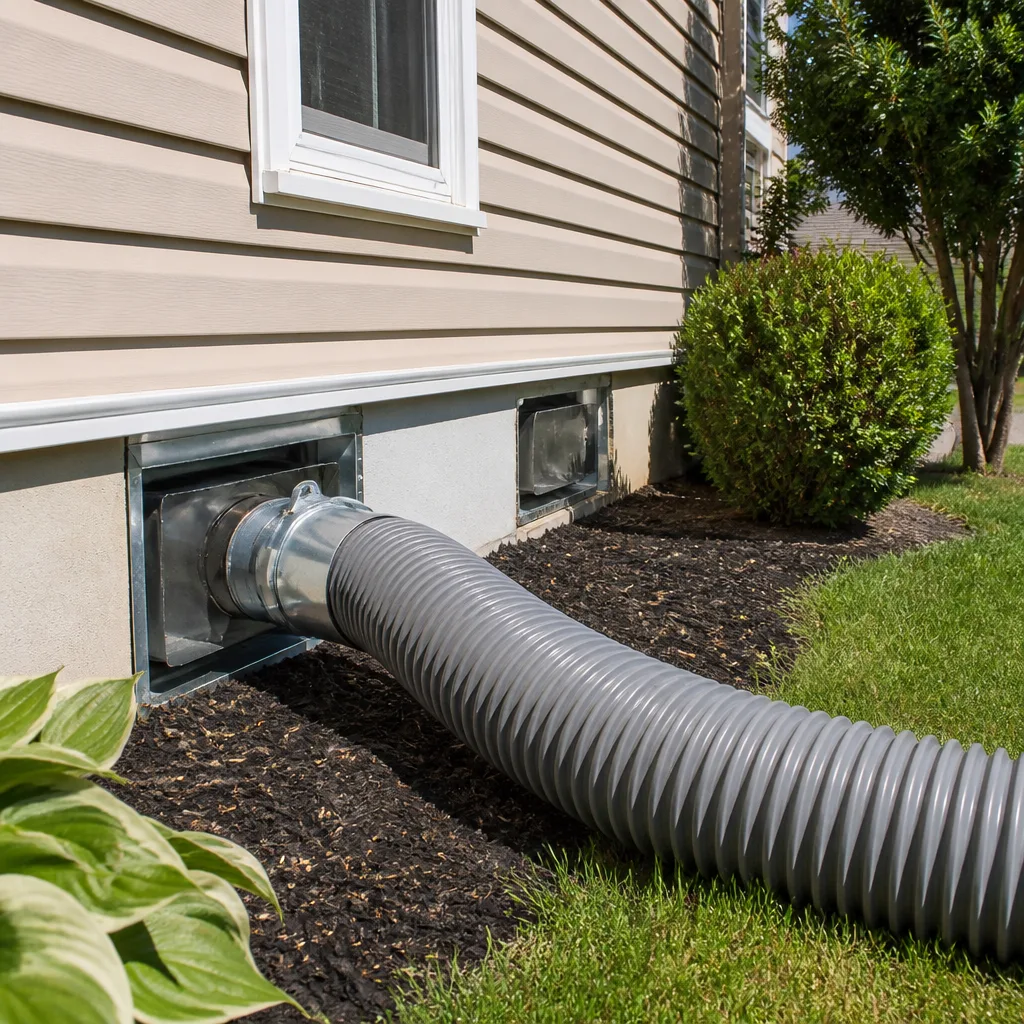 Whole-home duct cleaning
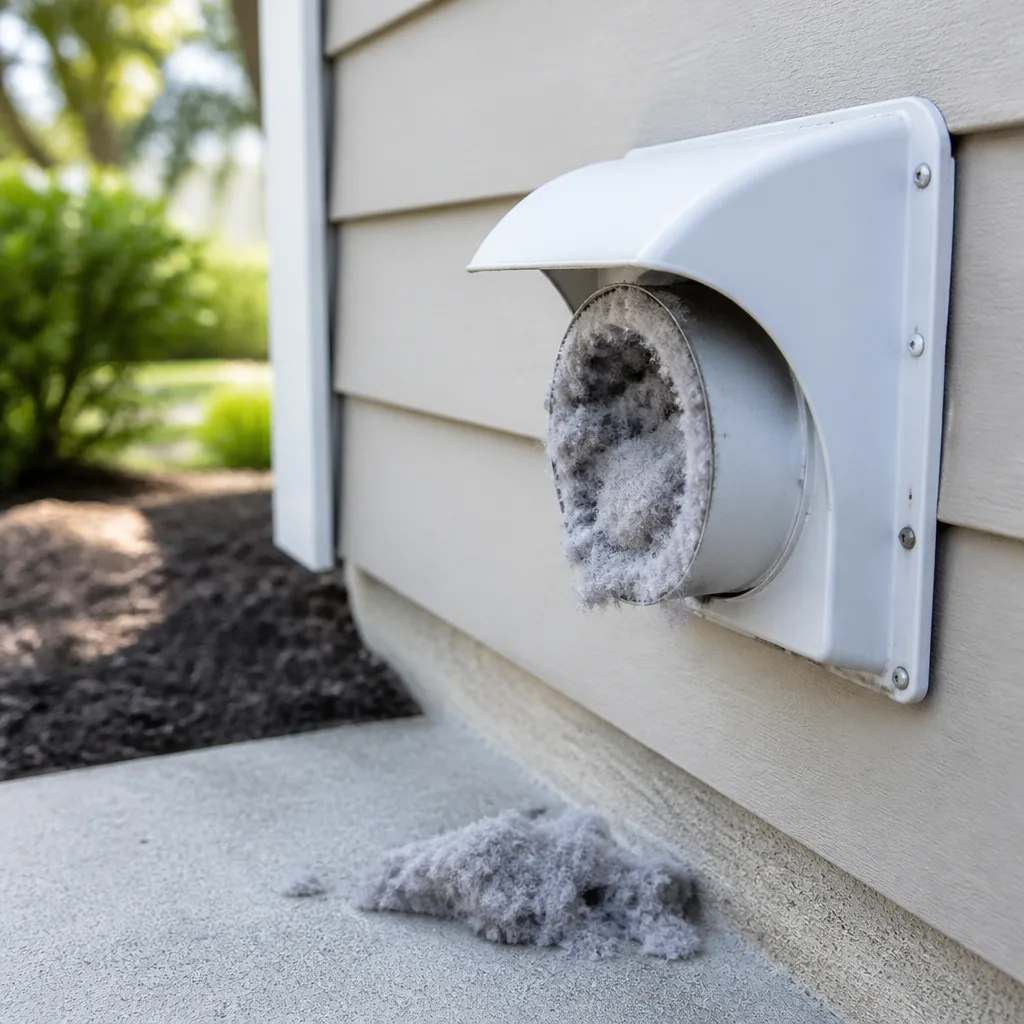 Dryer vent cleaning
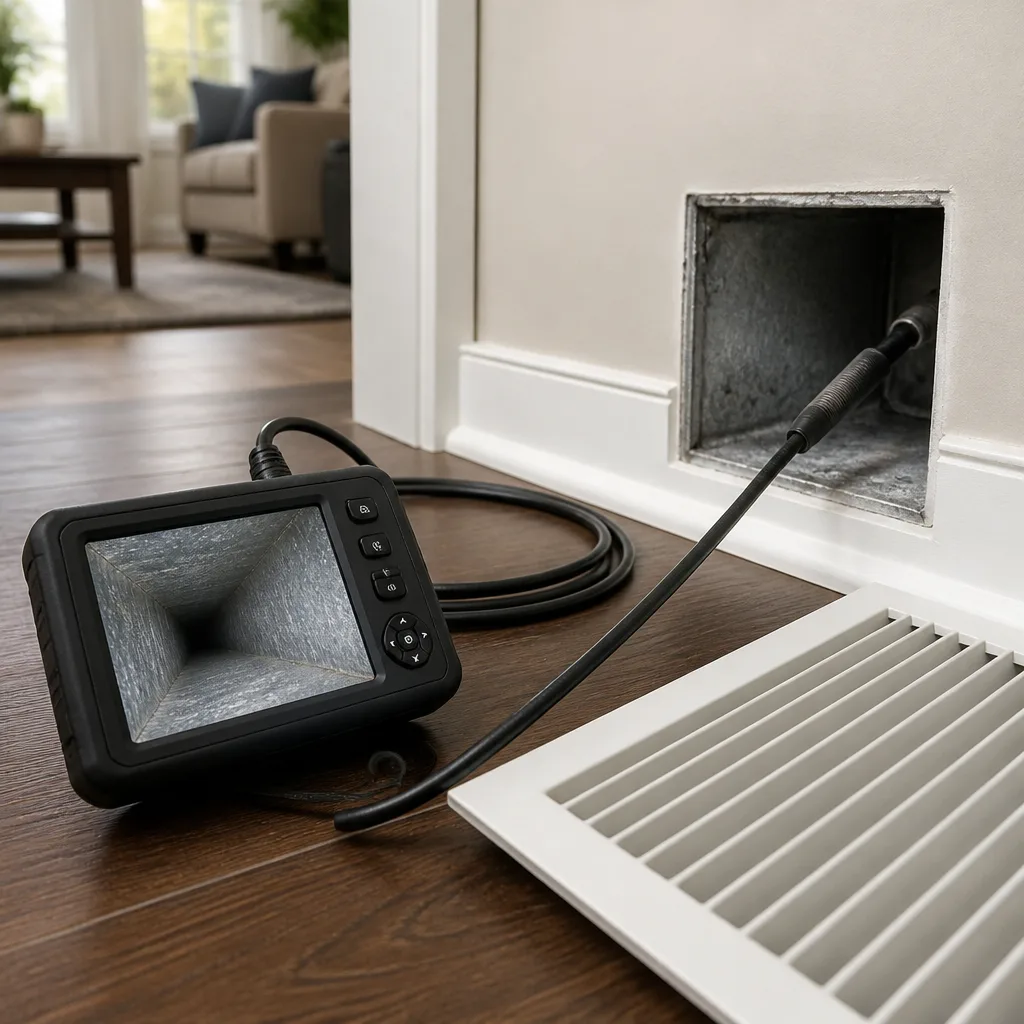 Camera inspection
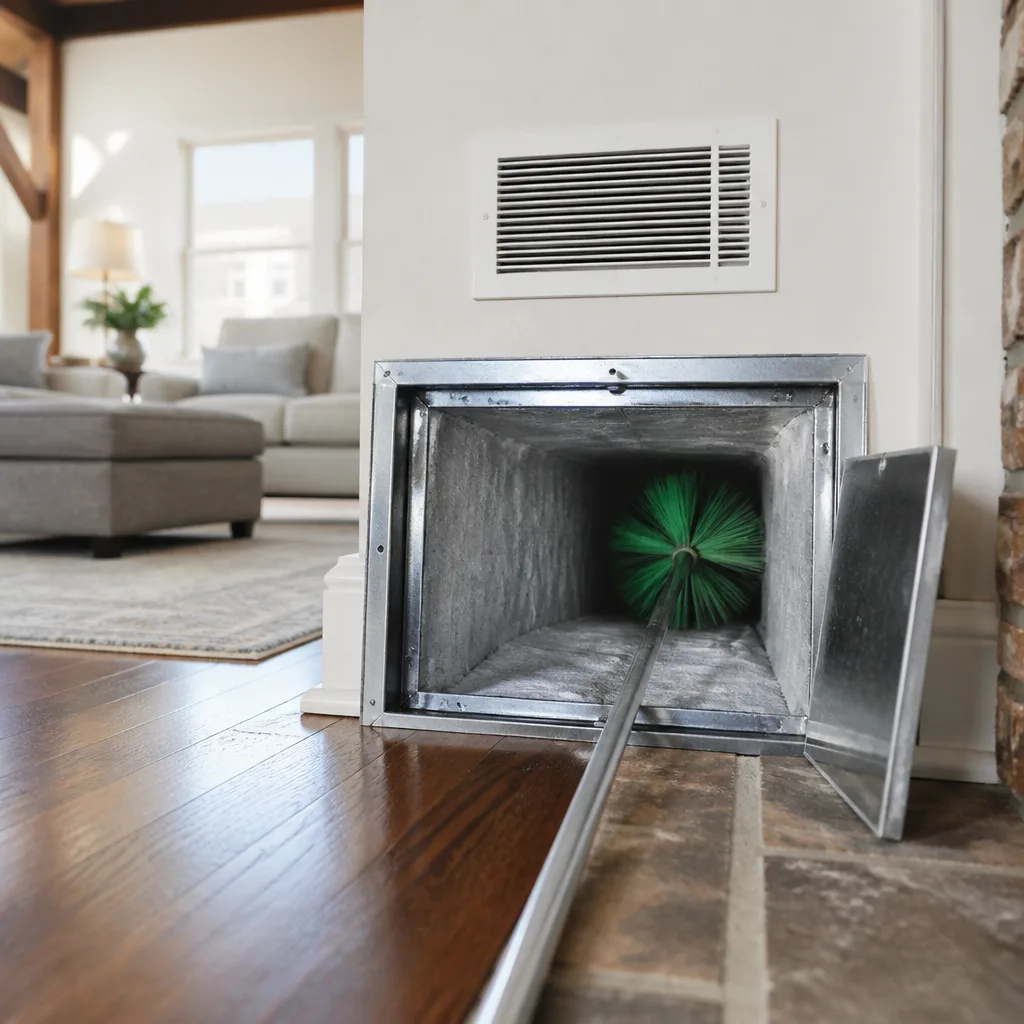 Sanitizing & deodorizing
Whole-system duct and dryer vent check with before-and-after photos - you see exactly what came out of your vents
That "$99 whole-house special" is a bait ad - the real number appears once they are in your hallway, or the "clean" is a shop-vac at the register. We photograph the inside of your ducts before and after instead.
How to Hire an Air Duct Cleaning Contractor in Manchester: A Step-by-Step Guide
New Hampshire does not require a license to perform air duct cleaning. That single fact reshapes everything about hiring in this trade: anyone with a shop vac, a ladder, and a website can legally take your money, and some of them will. The advice you’ll find most places tells you to check reviews and get three quotes, which is fine as far as it goes, but it skips the questions that actually separate a contractor who can clean and repair a duct system from a van operator running a hose through your vents. This guide walks through the vetting process step by step: what to ask, what a real pre-job assessment looks like, the sales phrases that should end the conversation, and what a written scope should contain before you sign. It’s written from Manchester, for Manchester homes.
Quick Answer
To hire an air duct cleaning contractor in Manchester, verify the equipment first (negative pressure source, CFM capacity, agitation tool, camera, and whether both supply and return sides are cleaned), then confirm the contractor asks about your system’s size, layout, and history before quoting. Get a written scope of work listing every component, insist on before-and-after photos of your own ducts, and treat any phone quote given without system details as a red flag. Because New Hampshire doesn’t license this trade, your own vetting process is the only real filter.
Styles & brands we work with
- Whole-home duct cleaning
- Dryer vent cleaning
- Camera inspection
- Sanitizing & deodorizing
Table of Contents
- Why New Hampshire Doesn’t License Duct Cleaning (and What That Means for You)
- The Five Equipment Questions to Ask Before You Book
- What NADCA Membership Actually Means, and What It Doesn’t
- The Red-Flag Script: Sales Phrases That Signal Upsell-First Operations
- What a Legitimate Pre-Job Assessment Looks Like
- What a Written Scope of Work Should Include
- Manchester-Specific Considerations
- How to Verify the Work Was Actually Done
Why New Hampshire Doesn’t License Duct Cleaning (and What That Means for You)
New Hampshire has no state licensing requirement for air duct cleaning. There’s no exam, no continuing education mandate, no state board to complain to if the work goes wrong. This isn’t unusual nationally, but it matters more in a market like Manchester, where older housing stock and a mix of ducted and partially ducted systems create wide variations in what a job actually requires.
What the absence of licensing means in practice:
- You can’t verify competence through a state database, so you verify it through questions and documentation instead.
- “Licensed” claims on a duct cleaning website are often borrowed from an adjacent trade (HVAC, plumbing) or a generic business license that has nothing to do with duct work.
- Insurance and bonding are the minimum you can actually confirm. Ask for a certificate of insurance; a legitimate contractor will provide one without friction.
- Reviews help but can be gamed. Look for reviews that describe the process, not just the outcome. “They showed me photos of the before and after” tells you more than “great service, highly recommend.”
For a Manchester homeowner, the practical takeaway is this: your vetting process is the license. The sections below give you the questions to ask. If a contractor can’t answer them clearly, that’s your answer. For a closer look at what professional air duct cleaning actually involves when it’s done properly, the process itself is worth understanding before you start calling.
The Five Equipment Questions to Ask Before You Book
Equipment separates capable contractors from van operators more reliably than any other single factor. These five questions are specific enough that a serious contractor will answer them without hesitation, and a marginal one will either bluff or get defensive.
- What’s your negative pressure source, and is it truck-mounted or portable? Truck-mounted units generate substantially more suction than portable units and are the standard for whole-house cleaning. Portable units can work in tight access situations, but ask why they’re using one. “Our team can’t reach your driveway” is a legitimate answer; “that’s just what we use” is not.
- What CFM is your system rated for? CFM (cubic feet per minute) is the airflow measure that determines whether the unit can actually pull debris out of a long supply run versus just stirring it up. A contractor who doesn’t know their equipment’s CFM rating has never been asked the question, which tells you something.
- What agitation tools do you use? Suction alone doesn’t dislodge caked-on debris. Real cleaning uses mechanical agitation, typically brushes, whips, or compressed air tools, matched to the duct material. Ask which tools they’ll use in your system and why.
- Do you have camera capability? A camera inspection before and after isn’t a luxury. It’s how you and the contractor both know what’s actually inside the duct and whether the cleaning worked. No camera means no verification.
- Do you clean both the supply and return sides? Some contractors clean only the supply runs and skip the returns, which is where a significant amount of debris settles. A full job addresses both, plus the main trunk lines and the air handler cabinet.
At Grafton Air Duct Cleaning, we run Rotobrush and Nikro professional-grade systems, the same equipment used by certified restoration and HVAC contractors. Rotobrush units are built for residential duct work specifically, with brush agitation matched to duct type. Nikro covers the HEPA filtration and negative air side. That combination matters because cleaning without proper filtration just redistributes what you were trying to remove. If a contractor can’t tell you what equipment they’re bringing, that’s the first real data point in your decision.
What NADCA Membership Actually Means, and What It Doesn’t
NADCA, the National Air Duct Cleaners Association, publishes industry standards and offers credentialing for duct cleaning companies. Membership is a useful signal. It is not a guarantee. Understanding the distinction will keep you from over-weighting a logo on a website.
What NADCA membership does mean:
- The company has committed to a published set of industry standards (ACR, the Assessment, Cleaning, and Restoration standard).
- They’ve invested in some level of professional affiliation rather than operating completely off-grid.
- They’ve likely been exposed to proper methodology through training or certification programs.
What NADCA membership doesn’t guarantee:
- That the crew doing your job has been trained to that standard, which is a different claim than the company holding a membership.
- That the equipment actually shows up. A company can hold a membership and still send a portable unit to a job that needed a truck-mount.
- That the scope of work will match what your system actually needs on the day of the visit.
In our experience, the most reliable pattern is this: NADCA affiliation combined with specific equipment answers and a written scope is a strong signal. NADCA affiliation alone, with vague answers to the five equipment questions, is a softer signal than it looks. Treat membership as a credentialing floor, not a ceiling, and don’t let it substitute for the questions below.
The Red-Flag Script: Sales Phrases That Signal Upsell-First Operations
Certain phrases have become predictable markers of operations whose business model depends on the add-on, not the base job. When you hear them at the quote stage, before anyone has seen your system, the safest interpretation is that the quote itself is a loss leader.
Phrases worth ending the conversation over:
- “We found mold.” Announced before any inspection has happened, this is a sales script. Mold assessment requires sampling and lab analysis by a qualified professional; a duct cleaner can’t diagnose it over the phone.
- “You need sanitizer.” Sanitizer application is a legitimate optional add-on in certain circumstances, but it’s not a requirement and it shouldn’t be the point of the visit. A contractor who leads with sanitizer before discussing cleaning is selling the add-on.
- A firm quote given over the phone without asking about your system. Your system’s size, layout, run lengths, number of returns, and accessibility all change the scope. A number quoted without those details is a marketing number, not a real estimate.
- “We’re doing your neighborhood today and can give you a discount.” This is a door-to-door framing technique, not a legitimate scheduling practice.
- “Everyone needs this every year.” Duct cleaning frequency depends on the specific home: pets, recent renovations, smoking, allergies, and the age of the system all affect the answer. A contractor who names a fixed interval before asking about your home isn’t assessing, they’re selling a subscription.
The reverse test also works. A contractor who asks what triggered the call (allergies, a renovation, a dryer running slow, a new home purchase), who asks about the age and layout of the system, and who declines to quote until they’ve seen it, is behaving like someone who scopes the job before selling it. That’s the behavior you’re looking for.
What a Legitimate Pre-Job Assessment Looks Like
A real pre-job assessment in Manchester looks like a short conversation plus a walkthrough. If a contractor arrives, glances at one vent, and gives you a number, they haven’t scoped the job. Here’s what the assessment should cover:
- System size and layout questions. How many supply and return registers, roughly how many square feet the system serves, where the air handler sits, and whether any runs are inaccessible (behind finished walls, in a crawlspace, in an attic with limited clearance).
- System age and history. A system installed in the last five years wasn’t lived in the same way as a system from an older home. Recent HVAC replacement, duct modifications, or a previous cleaning all matter.
- Recent renovations. Drywall dust, sawdust, insulation particles, and construction debris all settle in ductwork differently than household dust. A recent renovation changes the scope.
- Trigger symptoms. Allergies, dust accumulating faster than usual, a dryer taking two cycles, musty smells, visible debris at the registers. These point to specific areas to inspect.
- Physical inspection. They should look inside the air handler, at the main trunk, and at a sample of supply and return runs. This is where the camera comes in: a real assessment uses one.
- Dryer vent check. If you have a dryer vent run, this should be included in the assessment or scheduled as a separate walk of its own. Lint buildup is the specific fire hazard in this category, and it’s a separate diagnostic from the ductwork itself.
Once the assessment is done, the contractor should be able to explain what they found and what they propose to do about it, in plain language. They should also be able to tell you if they found a problem that requires repair rather than cleaning. Disconnected ducts, crushed flex runs, and leaking joints are common in Manchester’s older housing stock, and a cleaning-only operation will clean around them without mentioning it. We offer Grafton Air Duct Cleaning as a full-scope service specifically because the repair question comes up regularly, and the honest answer is sometimes “this system has a repair problem, not a cleaning problem.”
What a Written Scope of Work Should Include
Before you sign anything, get a written scope. The scope should be specific enough that a different contractor could read it and understand exactly what was agreed. If the scope is a single line (“clean air ducts”), the contract doesn’t protect you.
A proper scope of work should list:
- Every component being cleaned. Supply runs, return runs, main trunk, air handler cabinet, registers and grilles, and any dryer vent work. Each named separately, not rolled into “the system.”
- Equipment being used. Negative pressure source, agitation tools, camera inspection. If it’s in the scope, it has to show up on the day.
- Method of protection. How the contractor will protect floors, walls, and furnishings, and how they’ll contain dust during the job.
- Access requirements. Which rooms need to be accessible, what needs to be moved, and what happens if a run turns out to be inaccessible once work starts.
- Photo documentation. Before-and-after photos of your own ducts, not stock images. This should be in the scope, not offered as a favor.
- What constitutes a repair. If a duct is found disconnected or damaged, what does the contractor propose, and is that an additional scope with its own written estimate? Repair as a separate written arrangement is normal; repair as a surprise invoice is not.
- The price and the change process. One flat price per system agreed before work starts. Any change to the scope requires a new written estimate.
The written estimate sets the final price. Not a phone quote, not an online calculator, not a coupon figure. If a contractor won’t put the scope in writing, the contract isn’t really a contract. For dryer vent specifics, the same standard applies: dryer vent cleaning should list the run length, the access points, and the lint removal method, and it shouldn’t be sold as a bundled afterthought to the duct job.
Manchester-Specific Considerations
Manchester’s housing mix changes what a duct cleaning job actually involves. The city has a substantial stock of older homes, many with ductwork that’s been modified or added over time. Original systems sometimes share space with flex duct added during renovations, and hybrid systems with mixed rigid and flex runs are common. That matters for scope: an older system may have sections that need repair before cleaning is meaningful, and a contractor who doesn’t look for this is cleaning a compromised system.
New England’s heating season adds a second wrinkle. Homes that run forced-air heat through the same ducts that cool in summer get a specific pattern of debris loading: heat cycles push dust and debris into different parts of the system than cooling cycles do, and the air handler cabinet is often where accumulation concentrates. Scheduling cleaning based on how your system actually runs (heat-dominant, cool-dominant, or balanced) is more useful than a generic “clean every X years” interval.
Manchester’s neighborhoods also vary in ways that affect access. Older multi-story homes have longer runs and more complicated trunk layouts; newer construction tends to have cleaner, more accessible systems but sometimes tighter closet-mounted air handlers. A contractor who asks about your home’s age and layout is gathering the right information. A contractor who quotes without asking hasn’t scoped it.
For homeowners in the surrounding towns, the same principles apply. If you’re just across the river in Suncook, the equipment questions and vetting standards don’t change; the housing stock is similar and the trade isn’t regulated any more strictly there than in Manchester.
How to Verify the Work Was Actually Done
Before-and-after photos of your own ducts are the single most useful verification tool available to a homeowner. Not stock images, not a video of “a typical job,” but photos of your equipment with your registers in frame.
What to ask for:
- Photos of the air handler before and after cleaning.
- Photos of at least one supply run and one return run before and after.
- Photos of the debris removed (the collection bag or bin is useful evidence).
- For dryer vent service, a photo of the vent run before and after lint removal.
If a contractor can’t produce photos of your specific system, you have no way to know whether debris was actually removed, whether returns were actually cleaned, or whether the work matched the scope. This is the verification step, and it’s the one that catches the widest gap between what was promised and what was done. It’s also the reason we include before-and-after photos in every job: we want the homeowner to see exactly what we saw.
Common Mistakes to Avoid
- Booking the lowest phone quote. A quote given without system details is a marketing number, not a price. It becomes a different number once the crew arrives. Get a written scope and a written estimate before you commit to anything.
- Treating NADCA membership as a replacement for the equipment questions. Membership is a useful signal, but the five equipment questions still apply. A company can hold a membership and still send the wrong equipment to the job.
- Not asking whether returns are included. Plenty of cleaning quotes include supply runs only. Returns are where a lot of debris settles, and they need to be in the scope, not implied.
- Skipping the camera inspection. Without a camera, neither you nor the contractor knows what’s actually inside the duct. The inspection is what turns a generic cleaning into a scoped job.
- Signing a single-line scope. “Clean air ducts, $X” isn’t a scope, it’s a handshake. It doesn’t tell you which components are covered, what equipment is used, or what happens if a repair turns up.
- Ignoring the dryer vent because the ducts were the focus. Lint buildup is the specific fire hazard in this category, and the dryer vent run is separate from the duct system. It needs its own scope and its own verification.
- Failing to ask about repair capability. If a flex run is disconnected in an older Manchester home, a cleaning-only contractor will clean around it and never mention it. Ask up front whether the contractor can repair what they find, or only clean it.
See the difference
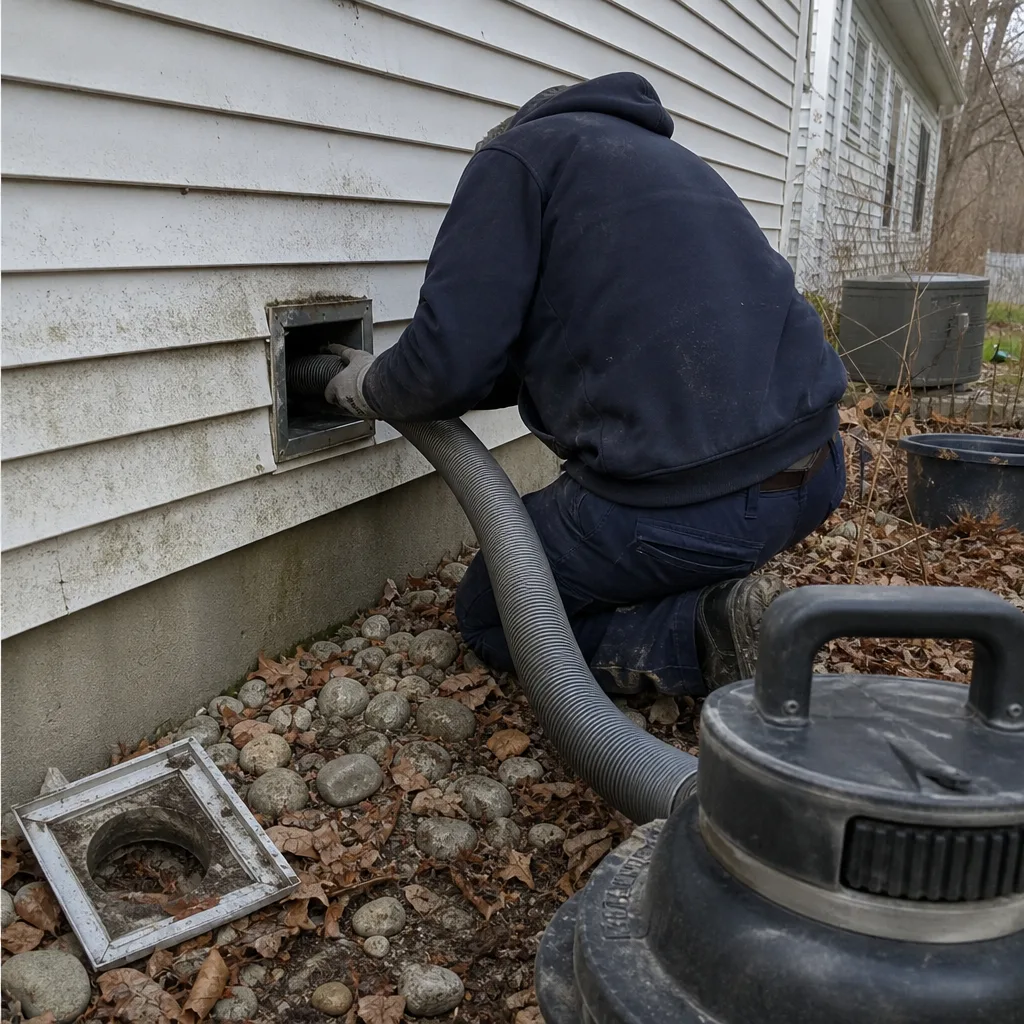 Before
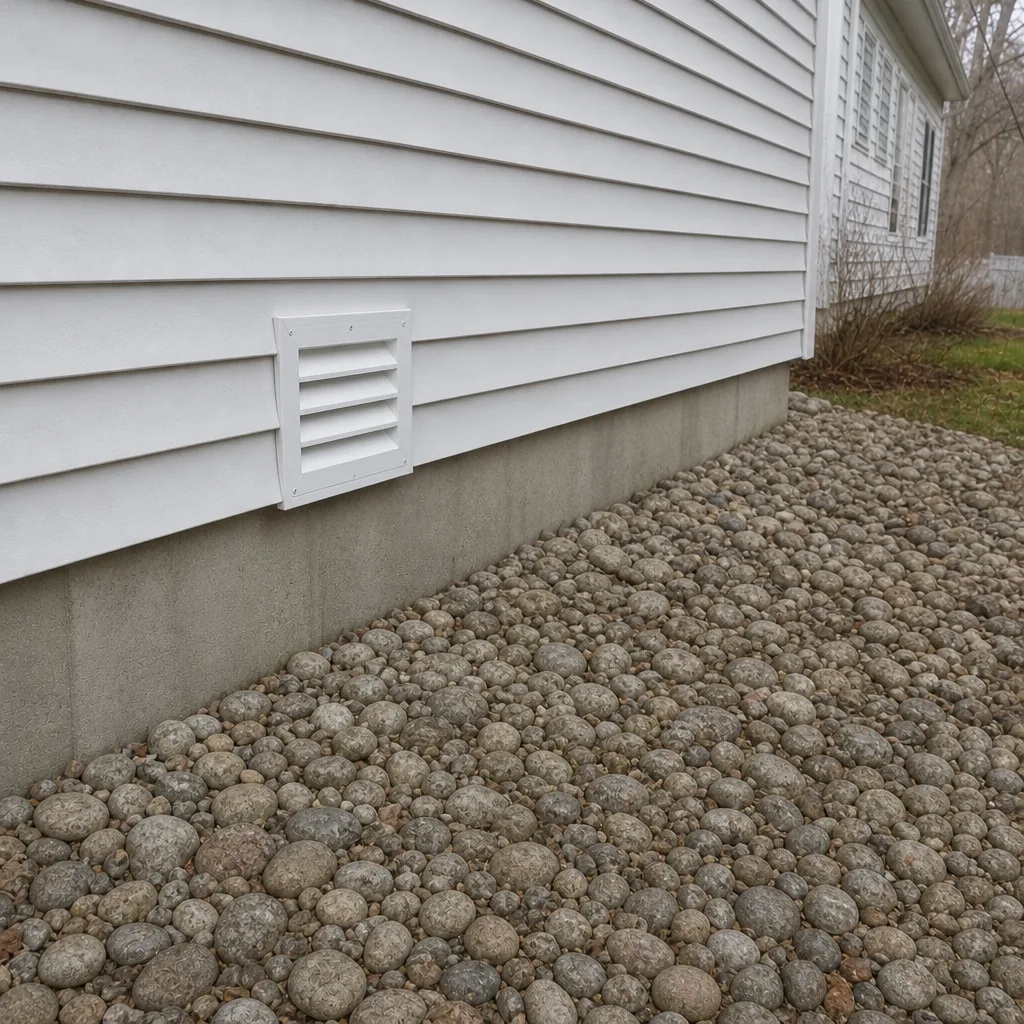 After
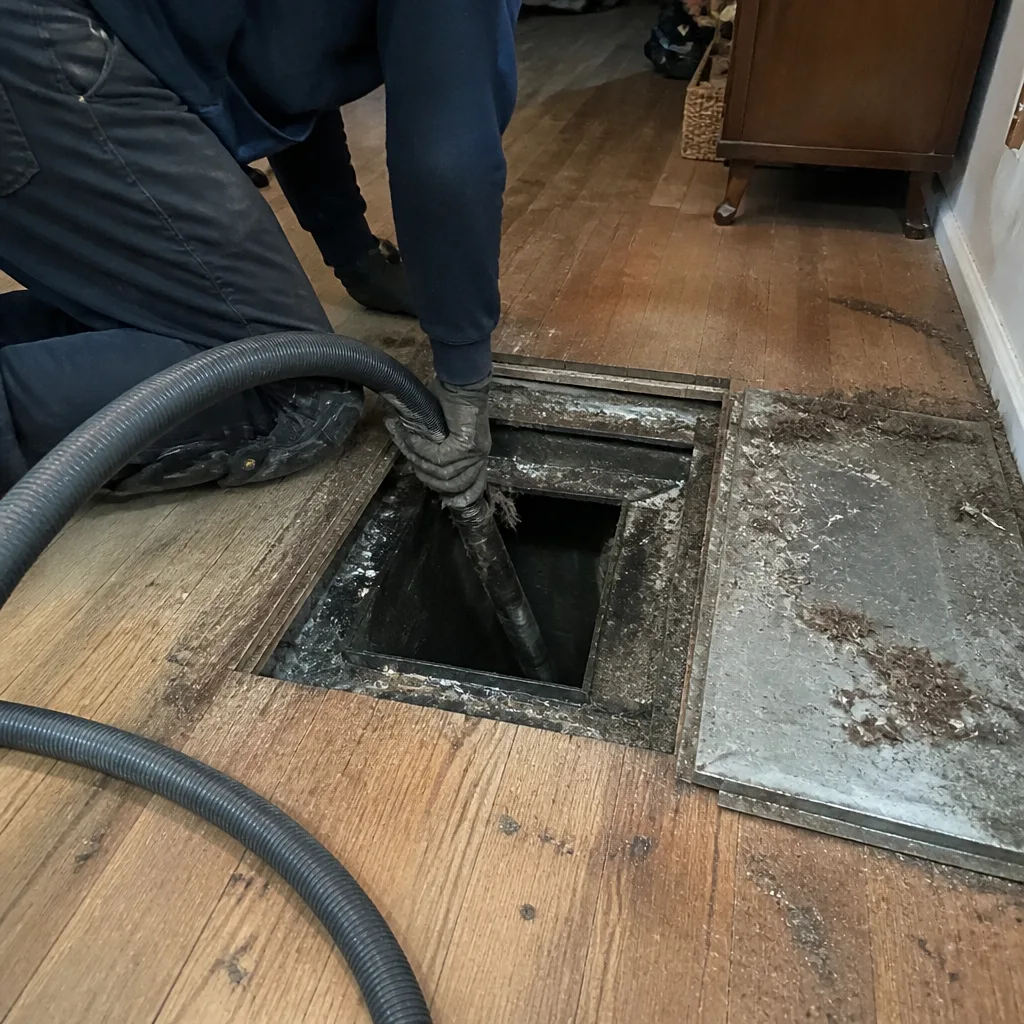 Before
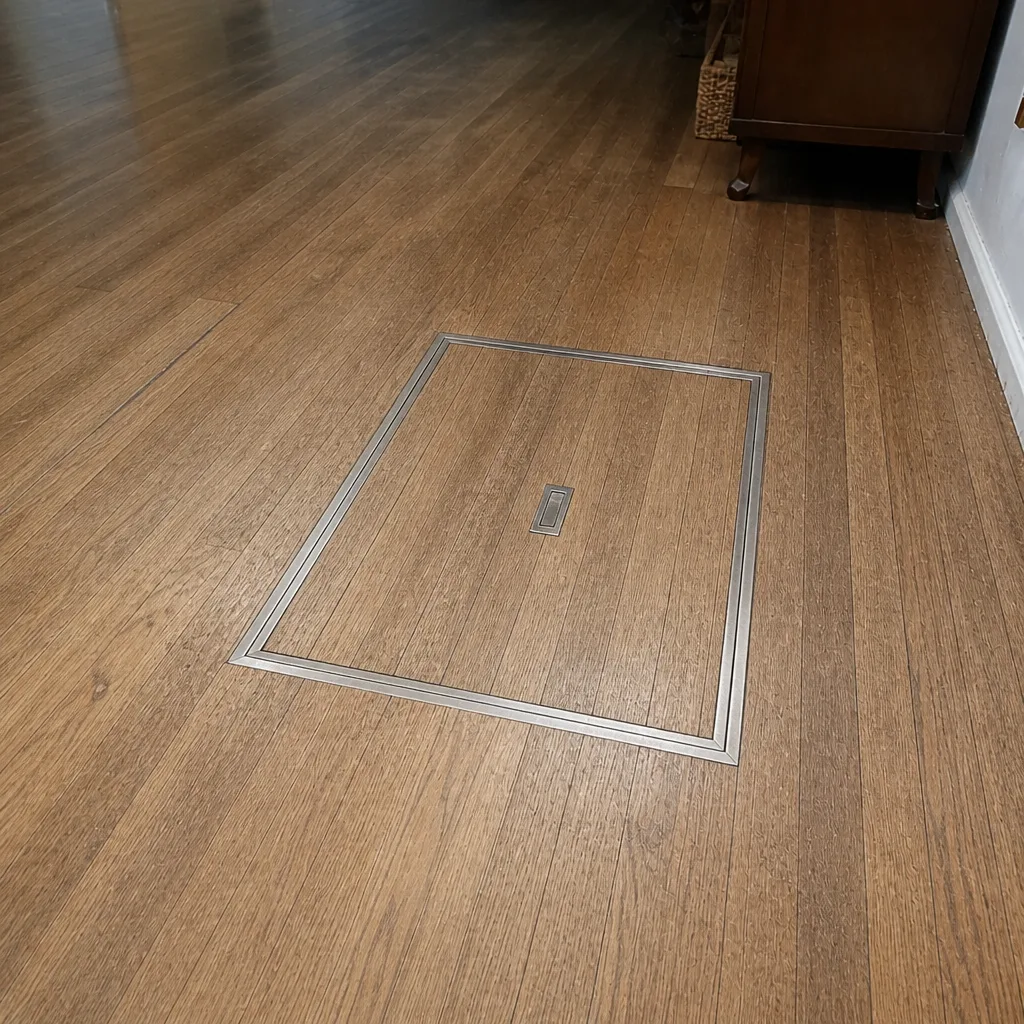 After
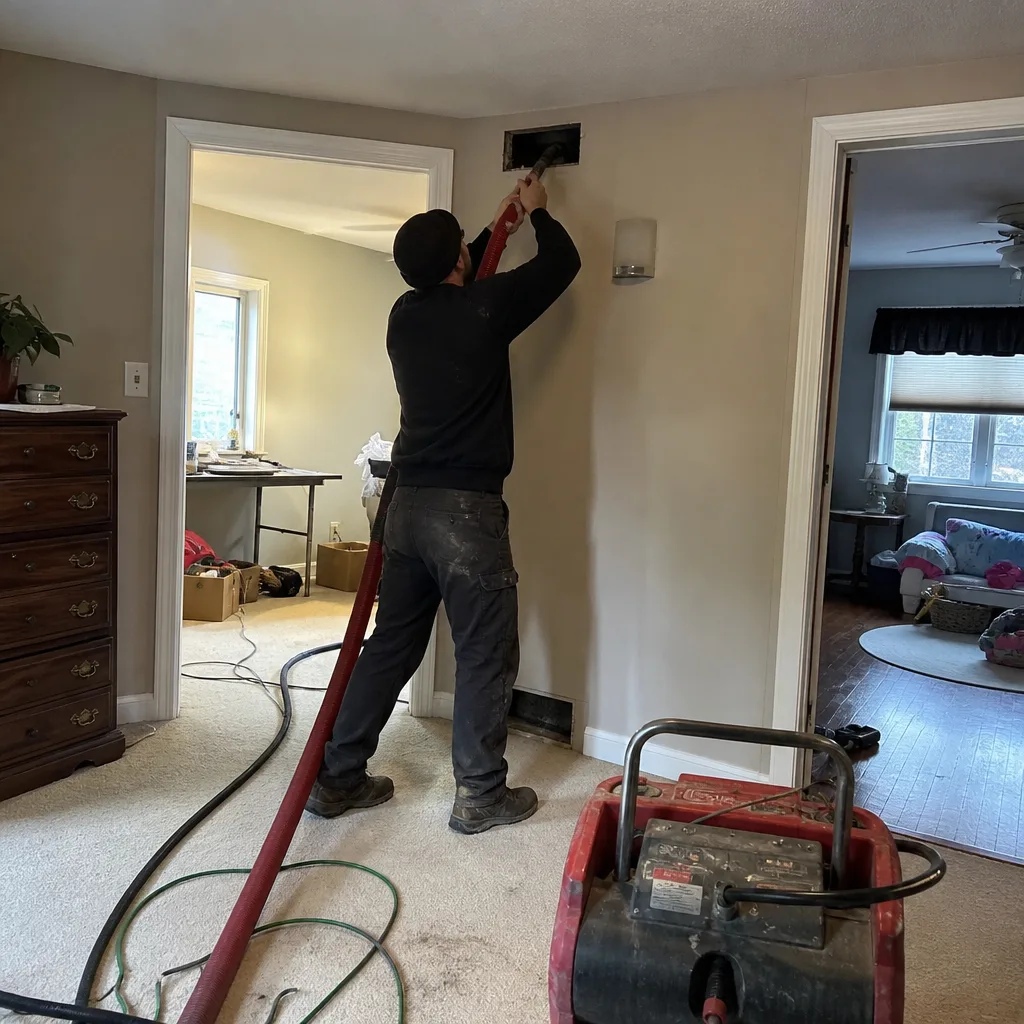 Before
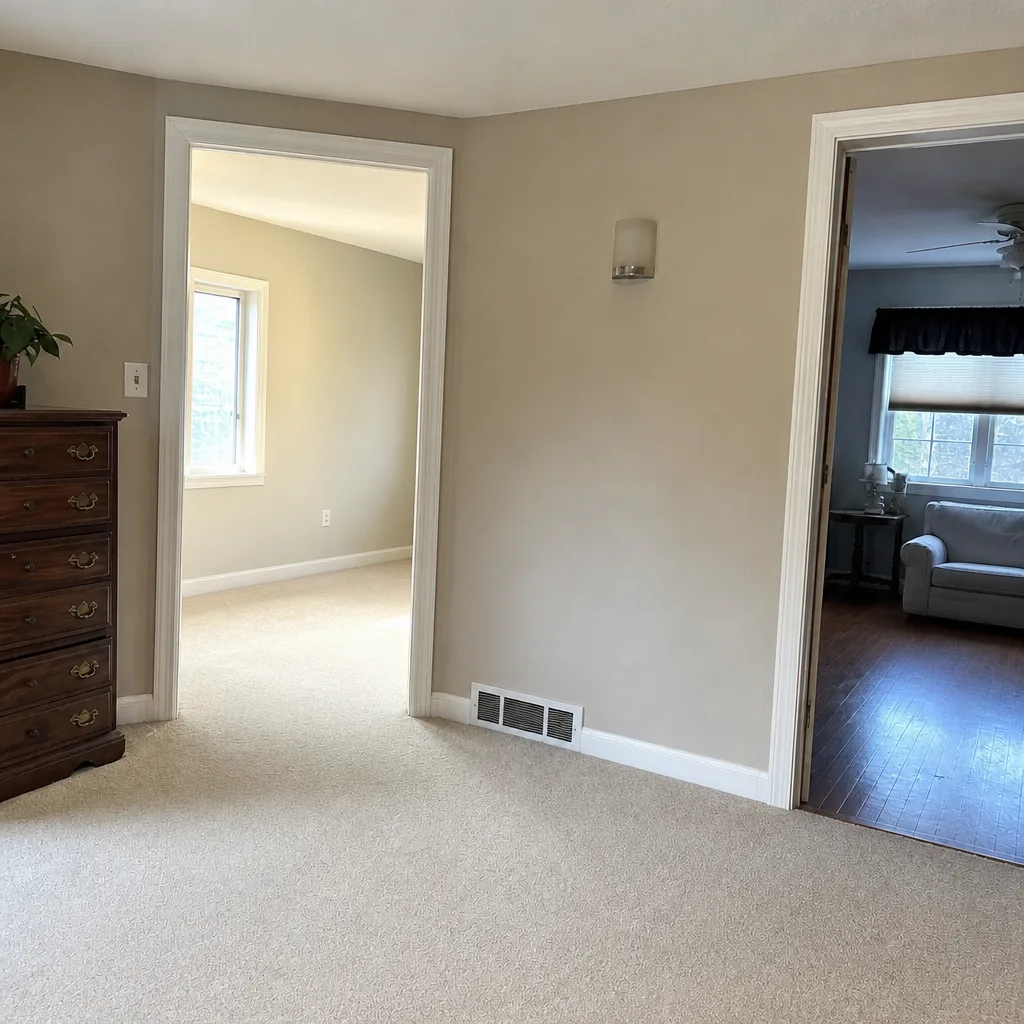 After
When to Call a Professional
Some conditions mean you should schedule an assessment rather than wait and see. If anyone in the household has allergies or respiratory sensitivities and the symptoms track with time spent in the home, a professional assessment is worth the call. If you’ve recently finished a renovation, drywall dust and construction debris settle in sections of the duct system that a shop vac can’t reach. If the dryer takes two cycles instead of one, lint buildup in the vent run is the most likely cause and it’s worth a dedicated visit. If you’re in an older Manchester home and you’ve never had the system inspected, a camera assessment will tell you what’s actually there, including whether repairs are needed before cleaning. If you can see debris at the registers, or if there’s a persistent musty smell from the vents, that points to areas a proper assessment can diagnose.
Grafton Air Duct Cleaning offers free estimates in Manchester: call (833) 865-1627. We answer 24/7. Fast dispatch from 7am to 7pm, Sunday through Friday.
Frequently Asked Questions
You verify a Manchester contractor through the five equipment questions, a written scope of work, and before-and-after photos of your own ducts. New Hampshire doesn’t license this trade, so the vetting is entirely on the homeowner. Ask about the negative pressure source, CFM rating, agitation tools, camera capability, and whether returns are cleaned, then check the written scope and photo documentation. Call (833) 865-1627 for a free estimate.
Air duct cleaning in Manchester is priced per system, not per vent, because the scope depends on the system’s size, layout, and accessibility. Whole-system pricing typically runs from around the high hundreds into the low four figures depending on the number of runs and whether repair work is needed, but your written estimate sets the final price. A firm phone quote given without system details isn’t a real price. Call (833) 865-1627 for an exact quote, which is free.
Cheap quotes usually reflect one of four things: supply-only cleaning that skips the returns, portable equipment instead of truck-mounted negative pressure, no camera inspection, or a quote that will grow into an upsell once the crew is on site. The base number isn’t the comparison; the scope is. Ask every contractor what’s included and what the equipment is before you compare totals. Call (833) 865-1627 to get a scoped estimate.
Before-and-after photos of your own ducts, taken on the job, are the verification standard. Stock photos and “typical job” images don’t tell you anything about your system. Ask for photos of the air handler, at least one supply run and one return run, and the debris removed. Call (833) 865-1627 to book a job with photo documentation included.
There’s no fixed interval that’s right for every home, and anyone who quotes one without asking about your system is selling a subscription, not an assessment. Pets, recent renovations, smoking, allergy concerns, and the system’s age all affect the answer. In Manchester’s older housing stock, the more useful question is often whether the system has a repair issue, not a cleaning interval. Call (833) 865-1627 for a free assessment.
NADCA membership signals a commitment to published industry standards and professional affiliation, but it doesn’t guarantee the crew on your job was trained to that standard, the equipment that shows up, or the scope that gets proposed. It’s a credentialing floor, not a performance guarantee. Combine the membership check with the five equipment questions and a written scope before you book. Call (833) 865-1627 for a free estimate on your Manchester system.
The Bottom Line
Hiring an air duct cleaning contractor in Manchester works differently than hiring a licensed trade. There’s no state database to check, so your own vetting is the filter. The five equipment questions tell you whether the contractor can actually do the work. A real pre-job assessment, one that asks about system size, layout, and recent renovations, tells you whether they scoped the job or guessed at a number. A written scope of work and before-and-after photos of your own ducts tell you whether what was promised matched what happened. NADCA membership is a useful signal, not a substitute for any of it. Treat anything quoted over the phone without system details as a marketing number, and treat “we found mold” before an inspection as the end of the conversation. Vetting well at the start is the whole game. Grafton Air Duct Cleaning repairs ducts, not just cleans them, and our technicians have up to experience. We use professional-grade equipment from Rotobrush and Nikro, and we work alongside Honeywell and Aprilaire whole-home air quality systems where they’re part of the install. One flat price per system, agreed before work starts, with before-and-after photos of your own ducts.
Call (833) 865-1627 for a free estimate. We answer 24/7. Fast dispatch from 7am to 7pm, Sunday through Friday.
Written by the team at Grafton Air Duct Cleaning.